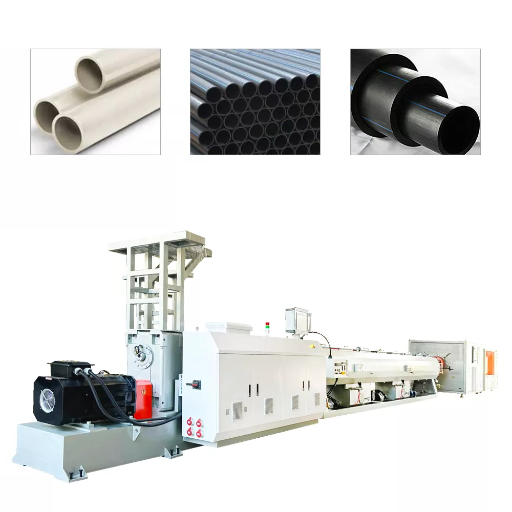
The implementation of plastic pipes has been integral in several sectors due to how long-lasting, adaptable, as well as affordable they are to be used in areas such as building and plumbing. Advanced plastic pipe making machine in the background produces PVC as well as PE, and PP which is of excellent quality for purposes of enhancing performance of such pipes. The purpose of this article is to analyze in great detail how the machines work, the various types of plastic pipes and how they differ, and strategic factors in the production of the plastic pipes. This blog contains useful information regarding pipe extrusion technology for manufacturers on how to make their operations efficient and for curious persons on how the pipes are made. Come with us as we examine the construction of plastic pipes to find why in today’s world they are inescapable!
Introduction to Plastic Pipe Manufacturing
The manufacturing of plastic pipes is aimed is to produce strong yet light pipes that are also flexible. The process generally begins with extrusion of the raw material, which could be PVC, HDPE or PEX and the latter, after is heated and moulded, is transformed into a pipe and allowed to cool in order to maintain the shape of the pipe. These pipes are valued for their anti-corrosion properties, elasticity and cost-effectiveness and hence find extensive use in water supply, sewage or underground cabling. This is only possible if the plastic pipe making machine is equipped with the necessary tools to produce products that comply with each regulation and hold a guarantee of function for ages.
Overview of Plastic Pipe Making Machine
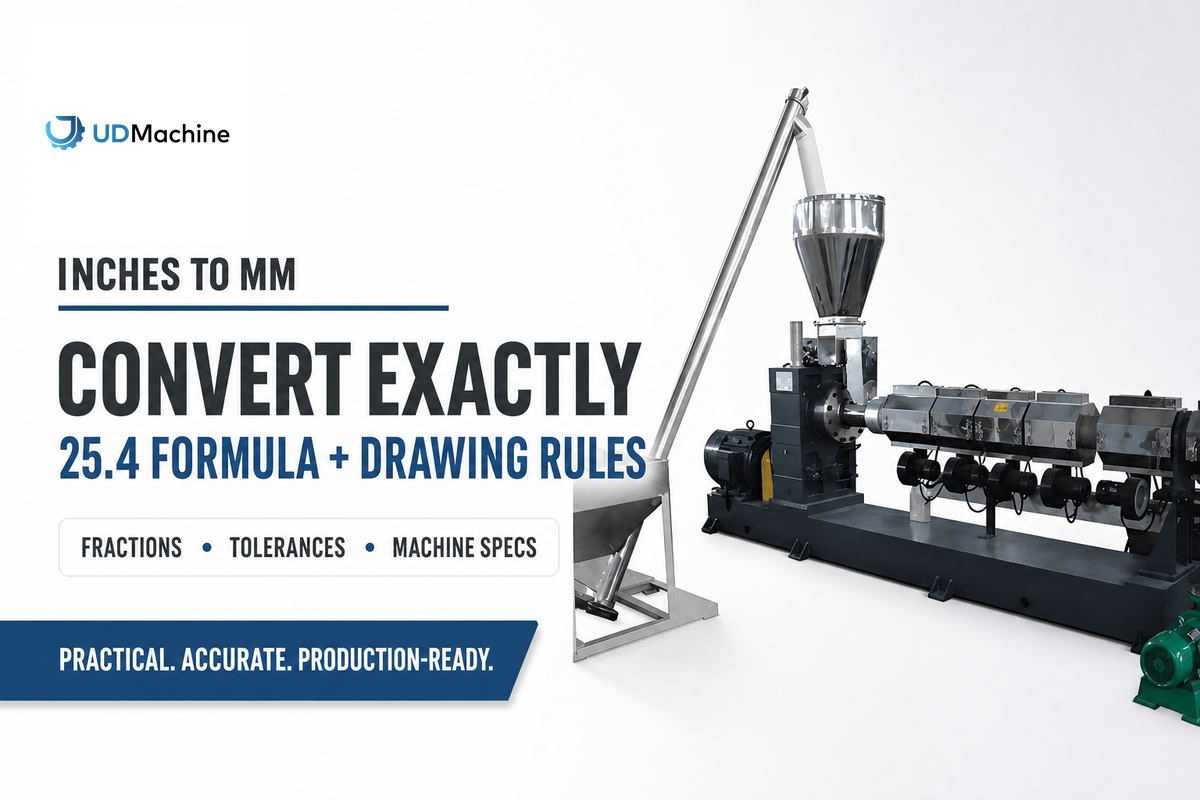
Certain types of equipment, like a plastic pipe making machine, or even a purpose built machine, are used for efficiently manufacturing plastic pipes in bulk. Such extrusion technology equips machines with an ability to heat up the raw plastic material and convert it to a pipe of any shape and dimension provided a strict control system over the temperature and pressure is in place. With recent developments in machine building energy saving, automatisation and monitoring have been manufactured and installed within the facilities therefore assuring their adequate performance and lower breakdowns. Such machines are commonly demanded by those industries that lay pipes for water, gas and cables. As per the current statistics, the machines producing today’s plastic pipes employ the use of the IoT (internet of things) to enhance its operational efficiency in terms of seeing and troubleshooting problems from a distance.
Importance of Pipe Making Machines in the Industry
Plastic pipe making machine is among various other machines vital for meeting the increasing global demand for high quality social and structural services. These machines possess the capability to keep development projects moving on even in times of crisis, emphasizing its application in water pipelines, gas pipes, and outer covering for wires. Their effectiveness and accuracy leads to a significant reduction in cost of production and wastage of materials which facilitates expansion of the businesses.
Such considered improvement as use of the internet of things and automation has turned the segment on its head over the last few decades. Companies are able to have visibility of processes and make adjustments while doing so and carry out maintenance in advance to reduce breakdowns. This ability enables organizations to stay relevant while providing excellent products which find wide application in different sectors for instance construction, farming, and power.
Types of Pipes Produced Using Different Materials
| Pipe Type | Description & Applications |
|---|---|
| Metal Pipes | Strong and long-lasting, metal pipes serve frequently in building construction, this industry provides large demand for metal pipes in particular, in the transportation of oil, gas and in plumbing installations. |
| Plastic Pipes | Plastic pipes provide a cheap alternative which is lighter and less subjected to rusting as compared to metallic pipes and therefore plastic pipes are more preferred in water distribution systems, waste management and irrigation. |
| Copper Pipes | The use of copper as a plumbing material emanates from it’s corrosion resistant characteristic and ability to last longer, hence the vast application of copper pipes in plumbing works. |
| Reinforced Concrete Pipes | Mainly reserved for mass drainage systems, sewage and storm water management, such pipes hold their own where strength and durability is of the essence. |
| HDPE Pipes | Chemical resistant high density polyethylene pipes have many applications in the industry and agriculture since they are light-weight and easily bendable. |
| Ceramic Pipes | These have been used since many years and are still in some places which employ sewers and drains because of their properties. |
There is a variety of plastic pipe making machine for every application in the industries and that is the reason for high productivity and maximum efficiency.
Types of Pipe Making Machines
01
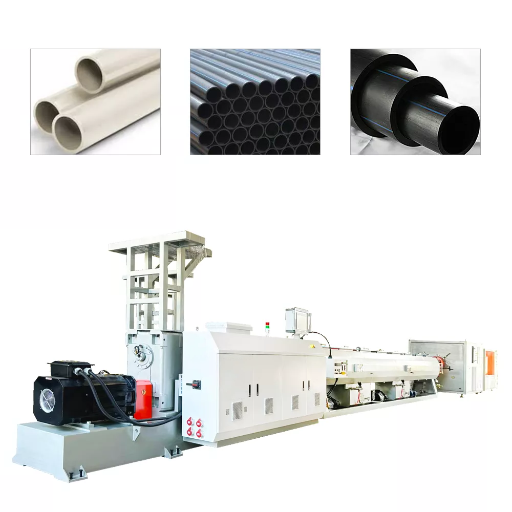
PVC Pipe Making Machine
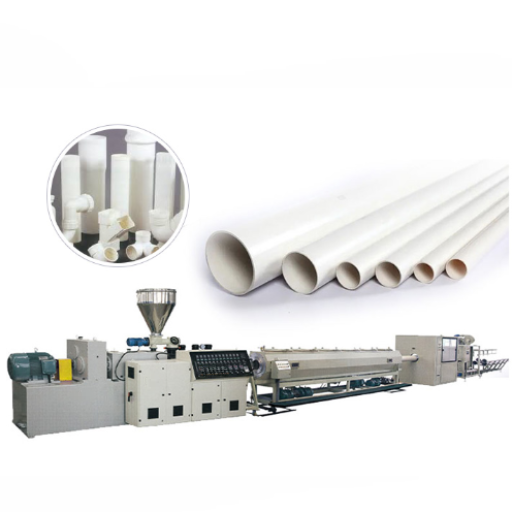
Plastic is a durable material that is often used when water or oil needs to be transported from one place to another. Young machines for plastic pipe making contain built-in devices that can be extrusion, resource quality calibration, cooling, cutting, or gradual stacking tables. Development of the systems are now redirected towards greater energy efficiency of pipe making machine, more automation, and higher precision. There are numerous machines available today among which most of them have features like high-speed extruders, servo motor control systems and web-enabled real-time monitoring of the process to ensure product quality and consistency. These tools are not called just because of the increasing demand in the market for affordable and durable pipes, but also to reinforce less resource and energy usage while manufacturing the pipes.
02
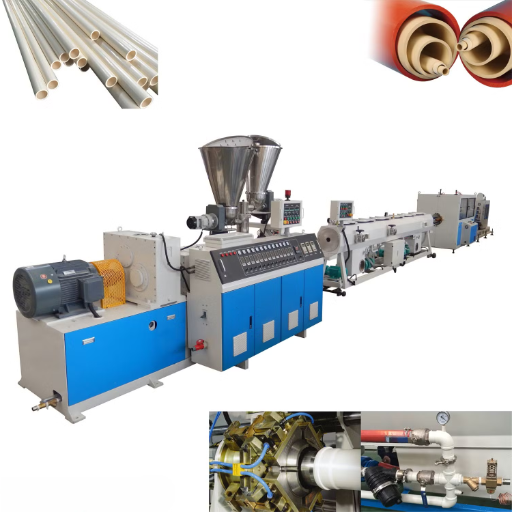
PE Pipe Manufacturing Machine
Industry demands for plastic pipe making machine have all been more efficient and reliable in the end products. It is thus no wonder that most of the equipment for producing such items involves great machinery in the form of elaborate extruders together with sophisticated heating controls, calibration devices, and ends supplied to the client by machines. Fuel efficiency and environmental friendliness are at the top of the list of Modern days PE pipe making equipment features and are achieved by making efficient use of material and minimizing the production process.
Plastic pipe making machine works by first introducing the PE material in the extruder. In this unit, the material is converted to a molten state and spread uniformly. This raw material is passed through a die and made into a pipe shape as it is drawn in the calibrating system in order to cool down the structure. Improved technology, especially in terms of servo motors, monitoring, and cooling techniques has improved the speed and accuracy of the manufacture of PE pipes. These changes respond well to the increase in demand for strong, flexible and sustainable water distribution, irrigational and gas distribution pipelines.
03
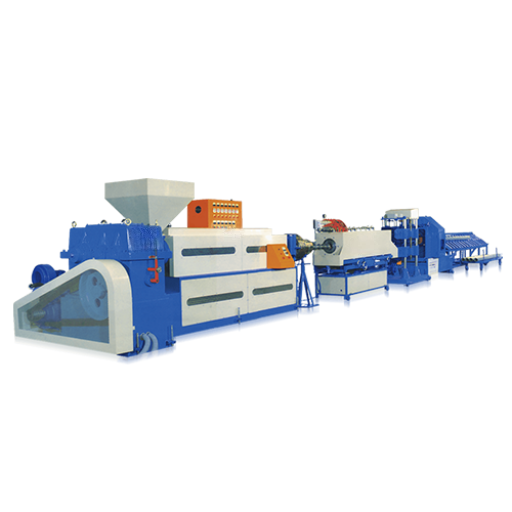
PP Pipe Production Machines
There are manufacturing machines designed for the production of PP (Polypropylene) pipes for all applications including plumbing, agriculture and chemical transport which are far much lighter and stronger. The formation of the pipes obtained and homogeneous extrusion ensures that they will possess equal wall thickness The plastic pipe making machine possesses dynamic control surfaces to assist the process such as the screens for monitoring and predictors for the cutting.
It is worth mentioning that increase in demand for PP pipe extrusion lines could be attributed to several reasons. One is that in recent times there has been an increasing need for environmental friendly products. It is evident from modern statistics that PP tubing is resistant to many chemicals for many years and they can be reused. This makes them a better alternative from an eco-friendly perspective. This has been possible due to the introduction of a number of concepts such as intensively heated chambers, motors run on varying power and where possible machine architecture changes that cut down costs in terms of power usage and operation costs as well. Resultantly, PP piping is a viable option for such companies which aims to provide piping for superior performance with cost efficacy and plastics-sculptured pipes.
Understanding the Pipe Extrusion Process
Raw Material Preparation and Feeding
In general, the pipe extrusion process can be broken into a number of steps. The first step in any pipe extrusion process is understanding the type of raw material that will be used. This will in most cases be polypropylene (PP) which is in form of pellets or granules. The raw materials are then mixed thoroughly to make sure that they are of uniform quality. Plasticizers, fillers, colorants and other substances may be added in order to modify the plastic pipe’s properties for specific purposes. After this, the raw material is placed in the extrusion machine through a hopper, which feeds it into the extrusion chamber in a controlled manner. This material is referred to as extrusion of plastic pipe making machine. This controlled feeding with a hopper is considered particularly important in the high quality plastic pipes production.
The Extrusion Process: Step-by-Step Breakdown
Raw Material Feeding
The process begins with the feeding of the raw material into the hopper, which ensures an uninterrupted supply of pre-mixed plastic to the extrusion machine.
Melting and Plasticizing
While moving through different heated zones inside the extruder, the raw material is heated and melted progressively. In addition, the screw, rotating inside the extruder, plays the critical role in mixing and plasticizing the materials.
Shaping the Molten Plastic
The molten plastic passes out of the die to attain the desired shape of the pipe. Proper designing of the die is a prerequisite to achieving the desired product, which should meet all the specifications of the final product with great precision and uniformity.
Cooling and Solidification
The molten plastic pipe, upon coming out of the die, is then moved through a cooling unit. At this point, the water-bath cooling system or the spray chambers are employed to facilitate and expedite the cooling and solidification of the pipe into a solid state without damaging its custom structure.
Pulling and Sizing
A cooling chain transports pulled pipes for reliable forward movement. Size tools are used to ensure dimensions and surface smoothness.
Cutting-off
After reaching the required size, the pipes are cut-off by the computerized cutters to maintain uniformity.
Quality Inspection and Tests
When testing procedures are completed, the pipes are micrometer checked for diameter, strength etc. to warrant that the required pipe quality is entering the market.
Packing and Distribution
The pipes are packed for marketing. The packaging is a safeguard guaranteeing that the pipes are not damaged during either transportation or storage.
Cooling and Cutting of Finished Pipes
The cooling applied for the purpose of setting the material properties of the pipe in frames itself is of the essence. Once pipes are out and away from being manufactured, they must be cooled to help set up the desired characteristics through a process of rapid cooling, which could either be water- or air-based. During manufacture, too much heat remains within the pipe, and it causes distortion of the pipe. Cooling also helps to restore the intended dimensions of the product, thereby improving the sturdiness of the finished product.
After cutting the pipe in order to stabilize their state of development, a special kind of measuring stage is required in which measurements are carried out as per industry specifications or their desired dimensions. Using automated cutting machines proves to be a unit decision between conforming to the industry’s specification and ensuring uniformity in the length of all the pipes. Above all, this presents an opportunity to minimize and eliminate waste accompanying pipes that go through the conventional manual cutting processes, hence resulting in the production of pipes that meet standards by quality and specification. Further, axing those pipes gives new planning and intersects into making them handleable, transportable, and ready for action.
Moreover, there is strict quality monitoring at each point both on cooling and cutting. In-process testing is performed to ensure that there are no defects or anomalies in the pipe. This maintenance diverts the final product into optimum performance in both safety and dimensional performance without any hesitation. These steps are an important part of achieving high-quality pipes at the tail end of the user.
Key Features of Pipe Manufacturing Machines
Production Capacity Considerations
Compare the pipe manufacturing machine’s production capacity toward process-related factors. Today’s advanced machines are engineered to catch compensated output retaining top precision and overall quality. Large-scale production of pipes consistently calls for automated systems, advanced engineering, and material handling capabilities integrated into the machine.
For instance, state-of-the-art models exploit automatic controls and real-time process monitoring systems to optimize workflow and reduce downtime. Beyond that, adjustable settings allow manufacturers to switch between various pipe sizes and types, enabling greater versatility without deviating too far off the accepted production targets. Recent statistics have it that the need for flexible pipe-manufacturing machinery that consumes high output has begun rising in effect of industries such as construction, oil and gas, and water treatment. The technological front was introduced to ensure manufacturers do not lag behind the market demand and can fully support them effectively, meeting stringent quality standards.
Energy Efficiency in Pipe Extruders
Energy consumption is reduced in extrusion machines through the integration of innovative engineering and design along with optimizations to operating procedures. Modern extruders employ new motor technologies like brushless direct current motors with high power efficiency to minimize their power loss often caused by friction resulting from operation. With their high performance with less power consumption, these brushless drives are vital in decreasing the overall energy consumed.
Another influencing factor in energy efficiency is advancing the heating and cooling equipment. Controlling the temperature during the extrusion phase is critical, and up-to-date insulation methods zone-wise or zonal heaters result in optimization of the heating process with little energy wasted. In addition, unbridled developments in cooling techniques make better temperature control possible in the event of a closed-loop water cooling system, a technique that makes it rapid while conserving water and energy.
Smart automation systems are also essential in energy conservation. Real-time monitoring and predictive maintenance tools support optimizing energy by recognizing inefficiencies and averting potential downtime. The systems operating enable the energy benefit through the smooth and effective execution of processes in a pipe extrusion facility.
Automation Levels in Modern Pipe Manufacturing Machines
Automation in modern pipe manufacturing machines has developed considerably over the years, incorporating more sophisticated technologies in order to meet the increased demand for precision, efficiency, and sustainability. The machines typically display three levels of automation:
-
Low-Level
Low-Level Automation: A milestone at which machines and not humans perform simple, repetitive tasks in a programmed manner while being introduced to industrial processes by extruder-type machines, material feeders, and cutters. Implemented fixes are brought about by a presetter duly set for a mold-injection machine, with very little time actually used by the manual control.
-
Mid-Level
Medium-Level Automation: Their incomplete automation includes some very senilnobile components, viz., programmable logic controllers (PLCs) and sensors for true precision and control, and enhancement of the monitoring system. Such equipment may very aptly adapt to special production needs concerning fresh extruded tubing having varying sizes in a actuated speed with negligible interaction on the part of workforce.
-
Full
Ultimate or Full Automation: This fully autonomous automation is the best fit for smart technology, such as the Internet of Things, AI, or machine learning. With the capacity for real-time data processing, predictive preventive maintenance and making decisions, such a system is able to analyze production metrics that facilitate performance, reduction of waste, and ensure consistent quality-performance advances will occur without requiring human intervention.
Through leveraging this degree of automation, today’s manufacturers of pipes are able to gain greater productivity, reduce cost, and cut down their ecological impact as the market moves on at an accelerated pace.
Emerging Trends in Pipe Manufacturing
Reference Sources
-
Production Optimization of a PVC Pipe Manufacturing Industry
This study explores the optimization of PVC pipe production in a highly automated manufacturing environment, providing insights into production processes and machinery.
Source -
Design and Fabrication of Polyvinyl Chloride Pipe Laboratory Extrusion Machine
This paper discusses the design and operation of a PVC pipe extrusion machine, offering technical details relevant to pipe production.
Source -
High-Speed PP/PE/PVC SWC Single Wall Corrugated Pipe Extrusion Production Line
This resource provides information on advanced extrusion production lines for manufacturing PP, PE, and PVC pipes, focusing on high-speed production.
Source -
The Plastic Piping Industry in North America
This article examines the use of PVC, PE, and PP in the plastic piping industry, including their properties and applications in pipe production.
Source - Food Machine and Extruders Provider in China
Frequently Asked Questions (FAQs)
Q
What is an extrusion line for plastic pipe production?
A
Extrusion line for plastic pipe production refers to an assembly line where in one setup consists of a plastic extruder (single or twin screw), die head, vacuum calibrating tank, haul-off machine, and cutting/belling stations to extrude PVC, HDPE, PPR and other types of pipes. This extrusion line equipment manages melt, sizing, cooling, and conveyance to give a uniform performance in PVC pipe manufacturing, upvc pipe water supply system, or hdpe pipe extrusion for water supply, drainage, or conduit pipe applications.
Q
How is HDPE pipe production line basically different from the extrusion of PVC pipes?
A
For the extrusion of HDPE pipes, a high-density polyethylene resin is used with a different screw profile. It is designed to work at a high melt temperature in order to obtain a proper degree of crystallinity in the pipe. In practice, the higher melt temperature reduces pipe pressure. As for calibration and pipe cooling, it is required to employ certain options; PVC and HDPE are different, therefore so are their production processes and equipment; HDPE lines, for instance, stress on improved capacity for welding hdpe pipe with hdpe pipe extrusion lines. PVC lines lay their emphasis on vacuum calibration for the rigid pvc pipe and pvc water pipe extrusion.
Q
Which parts build a pipe extrusion machine?
A
A pipe extrusion machine mainly comprises a plastic extruder (single-screw or twin screw), the pipe die, an die head, a vacuum calibration tank, a haul-off machine, a cutter, a belling or socketing station, and electrical and automation controls like ab b converter drives. Quality controls check wall thickness, ovality, and finish for pvc pipe production machine or hdpe pp lines.
Q
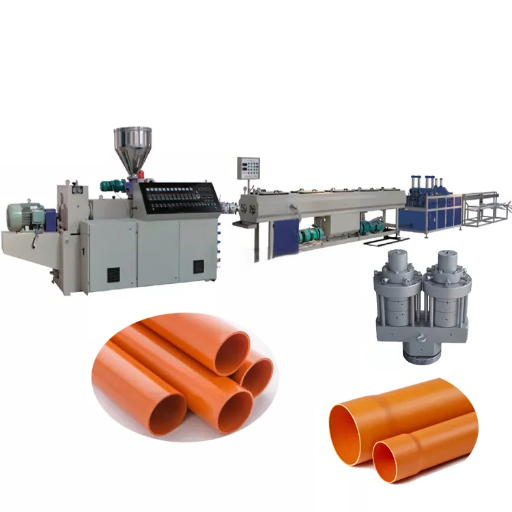
Can a pvc pipe production line handle pvc electrical conduit pipe making and water pipes?
A
In fact, many pvc pipe production lines facilitate the production for non-electrical types for pvc conduit pipe making machines and for pvc water pipes simply by exchanging die configurations, making necessary adjustments to cooling and calibrating settings before using the right PVC raw materials (PVC powder or compound). Some specialized electrical conduit pipe making machine options will include smooth bore dies for conduit pipe and added vacuum calibration to enhance dimensional precision.
Q
What should be done when selecting a reliable pipe machine manufacturer or supplier?
A
Select pipe production line manufacturer stands wherever said production line is already installed, good recommendation feedback after future service, and where you are assured that the manufacturers have expertise in manufacturing pipe extrusion lines, hdpe pipe extrusion lines, and conduit pipe equipment. Present references with a factory acceptance test, a run of the machinery for test production, availability of essential spare parts (screw extruder components, vacuum tanks, haul-off) needed for various types of pvc pipes, and full automatic pvc pipe production systems or an option of profile extrusion line and electrical conduit pipe making machine upgrades.
Q
What are some of the key quality control measures necessary for plastic pipe extrusion and PVC profile extrusion?
A
Key QC measures include raw material checking (PVC powder, polymers PE/PP), monitoring the rate of melting along with temperature, measurement of wall thickness and ovality, examination of the surface in-line, and alignment checks on vacuum pressure control and maximum haul-off speed. Process control and in-line testing have everything to do with preventing defects during manufacture and allowing pipes to meet the standards of potable water supply pipes, drainage pipe, or conduit-like pipes in pvc pipe extrusion or hdpe pp lines.