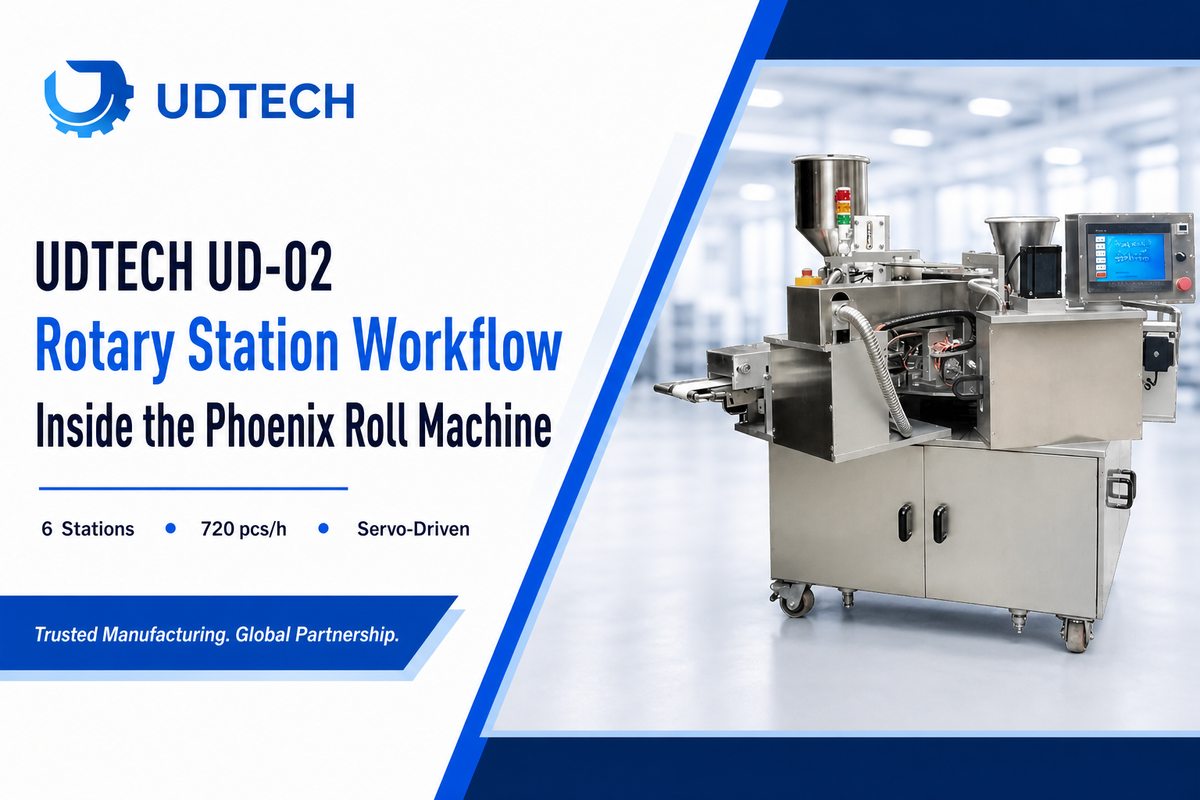
Imagine that, without going through the pain of making dough, carefully rolling, and eyeing the fire lit underneath you, you are served with perfectly round, soft, fluffy roti. Also sounds like a dream come true, no? With automatic roti machines exciting foodies from all corners of the globe with such a facility, this dream does come true. This guide delivers full-on to the subject of electric roti makers-from understanding what they are, how they function, and what are their advantages to the features that should be considered when selecting a roti maker. Whether it’s the busy professional looking for efficient kitchen appliances or the gastronome struck by interest for modern cooking equipment, you will now read every entry you ever wanted to know about automatic roti makers in this article. Keep abreast of how these machines are taking over kitchens everywhere!
Introduction to Roti Making Machines
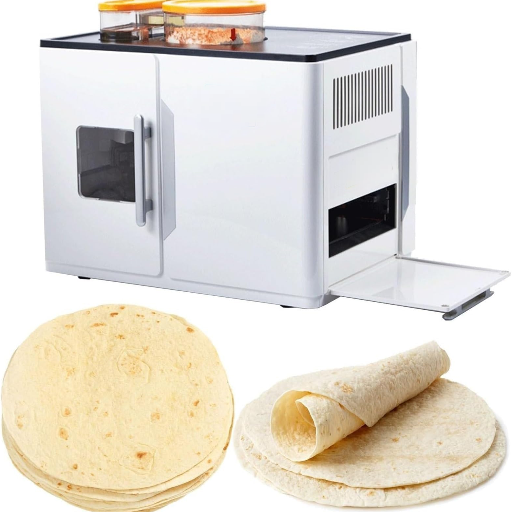
The kitchen appliance known as roti-making machines creates an easier process for citizens who want to make rotis. The machines handle all necessary steps for creating rotis, which include dough kneading and dough pressing and cooking operations, to help users make perfect round shape rotis that cook evenly with little work. The equipment functions as a time-saving solution which provides uniform results, making it a common choice for residential spaces and professional cooking facilities. Roti makers combine contemporary technology with traditional cooking methods to offer users an efficient method for preparing meals which maintains high standards of taste and quality.
What is a Roti Maker Machine?
The roti maker machine functions as a contemporary kitchen device which automates the preparation of rotis, a fundamental South Asian flatbread. The machines employ modern technology to execute traditional methods through their ability to perform multiple operations which include dough pressing and flattening and cooking. The majority of roti makers come equipped with a non-stick surface which prevents food from sticking, while they provide users with temperature controls and simple operating features.
The latest search data shows that consumers search for roti maker machines because they help users save time while producing consistent results, which makes them ideal for both busy homes and professional dining establishments. The upgraded models now come with smart functionalities which include digital timers and touch controls that enhance both usability and system effectiveness.
History and Evolution of the Roti-Making Machine
The roti-making machine has undergone substantial evolution from its original manual design to its current advanced automated system. The first baking machines operated with basic equipment which enabled them to press and cook dough but they only served the purpose of making the labor-intensive process of crafting traditional hand-made rotis easier. The industry experienced ongoing growth and development because manufacturing technology advanced and customers demanded both efficient products and consistent performance.
Present-day roti-making devices offer non-stick cooking surfaces and users can control cooking temperatures through their compact design which meets current household requirements. People show increasing interest for roti-making devices which offer features that help them save time and automatic functions that include digital timers and touch control systems. The new developments protect urban consumers who need to maintain their active lifestyles while creating products which deliver consistent texture and flavor results that used to require manual methods.
The increasing use of these machines shows how traditional cooking methods combine with modern technological systems to create a new cooking experience which unites different culinary traditions with present-day user needs.
How a Roti Making Machine Works
Dough Preparation
Users start the process by putting flour water and oil into the machine which creates dough through its mixing function. The machine ensures consistency by following pre-set measurements for efficient kneading.
Shaping the Dough
The machine produces round discs by shaping the dough after its preparation. The advanced mechanisms use consistent force application to achieve the target dough thickness which matches the results of manual rolling. This step ensures that the resulting rotis are even in size and thickness which contributes to their uniform texture and cooking.
Cooking Module
The cooking module receives the rolled rotis which are then roasted on both sides through heated plates and cooking surfaces. These machines achieve their best cooking results because they maintain complete temperature control which allows rotis to cook properly without reaching overcooked conditions. The process enables users to create multiple rotis quickly because it delivers fast results while keeping the same product quality.
Types of Roti Making Machines

Fully Automatic Roti Makers
The design of fully automatic roti makers enables users to make rotis through complete equipment operation from the initial step to the final step. The machines come with advanced functions which enable them to perform automated functions for dough kneading and portioning and flattening and cooking. A fully automatic roti maker brings three main advantages to users because it operates with high efficiency while producing constant results and requires minimal effort. The modern roti makers use smart temperature control systems together with non-stick coating materials to produce perfectly cooked rotis which do not stick or burn. The best machines come with multiple advantages because they have compact designs which enable easy cleaning while producing large amounts of rotis in a short time.
Chapati Makers vs. Roti Makers
Chapati makers and roti makers are essentially the same in function, with minor differences in terminology or size preferences depending on regional usage.
| Parameter | Chapati Maker | Roti Maker |
|---|---|---|
| Purpose | Makes chapatis | Makes rotis |
| Size | Slightly smaller | Slightly larger |
| Region | Common in India | Common internationally |
| Functionality | Manual/Automatic | Manual/Automatic |
| Surface | Non-stick | Non-stick |
| Shape | Round | Round |
| Output | Thin chapatis | Thin rotis |
How to Use a Roti Making Machine
The process of making rotis at home becomes easier with a roti making machine which particularly helps new users and people who need to work quickly. The following steps describe the proper way to operate this device:
- 01
Prepare the Dough
The process begins with you mixing wheat flour and water together with a small amount of salt until you create a dough that has smooth and soft texture. The dough needs to maintain a soft texture which should not become sticky because any incorrect dough texture will result in poor roti production. - 02
Preheat the Machine
You need to connect the roti maker to power and then you should turn it on. The plates need to preheat for several minutes until the indicator light shows that the machine has reached its operational state. - 03
Portion the Dough
The dough should be separated into small pieces which need to be shaped into balls that match the size of golf balls. This method guarantees that all the rotis will have identical dimensions. - 04
Flatten and Roll
You should put one dough ball in the middle of the lower plate. Depending on the model, either press the top plate down gently or use a handle press. The surface materials make it impossible for items to stick which means there is no need to add extra flour. - 05
Cook the Roti
You need to close the lid completely and then cook the dough for several seconds. The user must turn it or the machine will perform that task according to its specifications. The cook needs to turn the roti several times until both sides reach the same degree of cooking and the bread begins to expand. - 06
Remove and Store
You should use tongs to pick up the cooked roti and then place it in an insulated box or you can serve it right away to enjoy maximum softness and flavor.
You can create perfectly cooked rotis which have a round shape through this method. The modern machines provide automatic features which make them simple to operate thus they become essential kitchen equipment for households that have hectic schedules. The specific manual for your roti maker should be your primary resource for learning about its operational instructions and safety guidelines which apply to your particular model.
Benefits of Using an Automatic Roti Maker
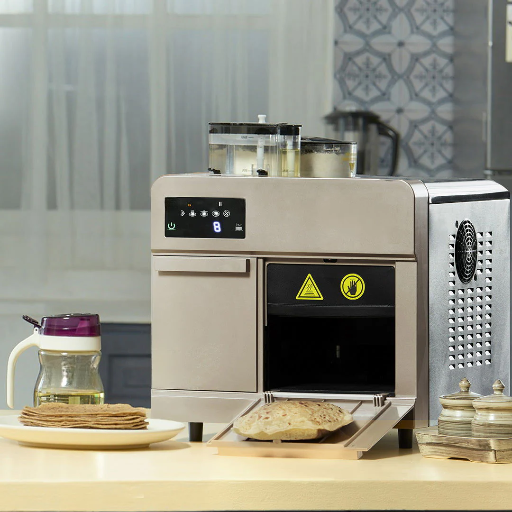
Practical Tips for Choosing the Right Roti Maker
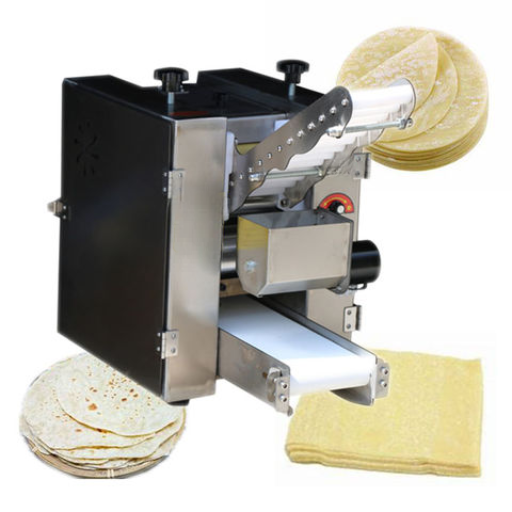
Key Specifications to Consider
- Size and Capacity: You need to select a roti maker that matches your kitchen needs because you will cook both single servings and multiple servings.
- Non-Stick Coating: A high-quality non-stick surface prevents dough from sticking which results in effortless cooking and simple cleanup.
- Temperature Control: Choose a product that provides adjustable temperature options because this feature helps you achieve precise cooking results while preventing your rotis from becoming overcooked or undercooked.
- Build Quality: You should select a product that features robust construction and durable materials because this combination will provide dependable performance throughout its entire lifespan.
- Energy Efficiency: Select a roti maker which has energy-saving capabilities because this feature helps decrease power use while your device operates at its best performance level.
Assessing Budget and Price Range
Your roti maker budget assessment requires you to find the right price range which maintains both product quality and operational performance. The basic features of entry-level models become available to users who require only basic functions at their lower cost. The acquisition of a mid-range roti maker model or higher-end device leads to equipment which lasts longer while delivering superior capabilities and operational efficiency that ultimately reduces time requirements and work demands.
Focus on the machine’s long-term value instead of examining only its initial expenses. The roti maker’s higher starting costs become worthwhile because the device maintains its quality throughout its lifespan which leads to lower upkeep expenses and energy savings and fewer product changes. The price difference between products should be evaluated through their extra features which include non-stick coating and adjustable temperature settings and energy efficiency based on your specific requirements.
Create your budget by comparing the standard prices of roti makers in the market with your actual needs. Online reviews and expert recommendations together with customer feedback provide valuable insights into how various models function at different price levels. Your research enables you to choose a solution which matches your preferences while providing maximum financial benefits through essential features.
Evaluating Capacity and Size
The right roti-making machine requires capacity and size evaluation because these factors determine whether the machine meets your cooking requirements and kitchen dimensions. The machine capacity defines its maximum production ability because it determines the number of rotis the machine can create during a specified time period. Compact machines with moderate capacity work well for small households, but larger families should choose models that enable them to produce more items because this option saves both time and work. The machine size needs to be considered because it affects your ability to use limited counter and storage areas. Compact and lightweight models suit smaller kitchens, while homes with sufficient kitchen space should use larger units. Recent online data shows that multitasking devices which fold for compact storage and offer adjustable settings for multiple roti sizes have become more popular because they combine multiple functions with efficient use of space. Your home will benefit from a practical and efficient choice when you compare dimensions with your specific capacity needs and available space.
Maintenance and Care for Your Roti Making Machine

Cleaning and Upkeep Tips
- ›
Clean after Every Use: Wipe down the machine’s surfaces using a soft, damp cloth to remove all of the leftover dough and dirt. Please do not use abrasive scrubbers, as they may likely harm the surface. - ›
Avoid Water Stress: When cleaning, be very cautious of the amount of water usage, as it may give its parts vulnerabilities, particularly its electronic and non-stick items. - ›
Look at Crannies and Nooks: If there is leftover dough in the hidden joints and crevices, turn slowly using a small brush or toothpick. - ›
Be Careful with Non-Stick Surface: If your machine has a non-stick trait, it should be remembered that in no way should any sharp-edged instruments be used to scratch it. - ›
Regular Service: Regularly check the electrical connections to ascertain they are in contact with the job and screw-flush on all joints. Most of the maintenance tasks will be according to the machine manufacturer’s instructions. - ›
Store it Properly: Always make sure that after you have washed the equipment, store it in a clean, dry place for fear of rust or fungal attack.
Taking these steps will help in maintaining your roti maker in good condition; which in turn extends its longevity and significant performance level.
Understanding Warranty and Customer Support
A good number of the roti making machine manufacturers guarantee their customers that the machine provided shall last for a particular period ranging from 6 months to 2 years, without any defective materials or poor workmanship. Such a guarantee is only available to the customer on proof of purchase and where applicable registration of the product within the timelines provided. It should be noted that such warranties do not include abuse, negligence, excessive abrasion or wear, and tear, or foreign repairs.
To resolve customer concerns related to a product, manufacturers generally incorporate several mechanisms in their support system such as toll free phones, emails, live chat or web portals for members to submit complaints. There are also many firms that are offering self-service mechanisms in the form of official websites with some troubleshooting information and frequently asked questions sections. It is very important if you need spares or any repair works to be done, to get in touch with licensed departments who can ensure well done and safe repairs. Utilizing these warranties and support services will pave the way for resolving any problems with your roti making machine promptly.
Common Issues and Troubleshooting
Always refer for help to the user manual, and contact licensed customer support for persistent problems to avoid voiding the warranty or causing additional damage to the machine.
Frequently Asked Questions (FAQs)
Are the latest roti making machines very energy efficient?
The models have special features like energy-saving sensors, smart ironing areas, and short cooking cycles. Ancillary components such as low power consumption in standby mode and unit power consumption, calculated as the number of rotis which are cooked, also mean good energy consumption. Apart from cutting down on bills, good performance is the need of the hour in capitalizing green projects. Anti-adherent, cool-to-the-touch plates and “power-off” gadgets work the best on energy efficiency by removing the pre-heated or over-cooked roti. Environment protection is highlighted when these models are rated in terms of energy efficiency, and a customer considers it to be the feature closest to the “eco” mode desired. Any of the new features present the advantage that several rotis can be cooked in the appliance, consuming very little power — a win-win situation on economics and utility.
Do the latest models have digital controls with them?
Indeed, many of the newer roti maker models come furnished with digital control functions such as touchscreens, intermittent settings, and temperature setting adjustments. All of these user-friendly functions make it even easier to be employed by beginners and experienced chefs. Use the digital timer to gauge even the browning and thickness of each roti. Some roti makers even have an application for the internet for the purpose of voice oversight and recipe memorization thereby fulfilling the needs of technology savvy individuals. By far the clearest circumstance of the display allows users to adequately ascertain the process and to achieve even greater convenience and assurance. Such features fulfill the fast-paced and connected lifestyle of today’s households.
How compact and portable are roti machines?
Roti makers vary widely in size, though many are built to be lightweight and sleek for convenient storage and portability. Some models feature foldable handles or detachable parts for ultimate convenience, so that they can be hidden away in a cabinet or be taken along on journeys. Portability proves to be critical for those with small apartments or those with constricted counter space. The compact design is no compromise to performance, for efficient designing accommodates multifunctional settings. Yes, customers these days equally value the small size plus performance especially while working in urban kitchens where everything fitted must be ‘purposeful’. Cord winders and motorized storage spaces add to portability.
How can I get the most life out of my roti maker?
Routine management substantially adds on to the life of the machine ensuring continuous performance. It is good to clean the plates and surfaces with appropriate products to keep them from sticking and also keep anything from dough building up. At regular intervals, check the wire and power cord to ensure they are intact, and loosen manual moving parts. Most importantly, a layer of old oil is all it takes to oil its moving movable parts wherever they rotate. Regularly undertake to give off utmost attention to caring for the apparatus and also improve its performance. Following the maintenance schedule given in your owner’s guide will show warning signs to help you prevent a minor issue from wreaking havoc with your mechanism. You are advised at that point just to comply with all the manufacturer’s recommended practices and one can be assured of a long and reliable life of the roti maker.
Can I make other flatbreads in a roti maker?
Yes, several roti makers provide for making other flatbreads, like tortillas, parathas, or wraps and these are equally compatible. Buyers looking at the same must see if the purchase includes a machine with a thickness control system and automatic cooking time setting, which will enable various types of dough to bake evenly for outstanding results. A unit intended for professional grades is versatile, with multi-purpose flat or interchangeable attachments to provide an array of sizes and thicknesses. Always check the recipe and specific-user guidelines for each flatbread. In this professing of multifunction is simply experienced by households, they might be good for eating multiple cuisines in one go and in one complete solution. Thus, acting as your roti maker would improve the versatility, allowing the consumers to make greater use of it than just for normal operations.
Reference Sources
-
Design and Manufacture of an Industrial Automatic Roti (South Asian Flat-Bread) Maker
This paper provides insights into the design and functionality of industrial automatic roti-making machines.
Access the study here -
Design and Fabrication of Roti Pressing Machine
This research focuses on the concept development, design, and manufacturing of a roti pressing machine, including detailed modeling.
Read the paper here -
Design of Automatic Multipurpose Indian Flatbread Maker
This study discusses the design and features of fully automatic roti-making machines, including non-stick capabilities.
Access the chapter here -
Fabrication and Assembly of Rotti Making Machine
This research examines the fabrication and assembly of semi-automatic roti-making machines for production purposes.
Access the study here - Food Machine and Extruders Provider in China