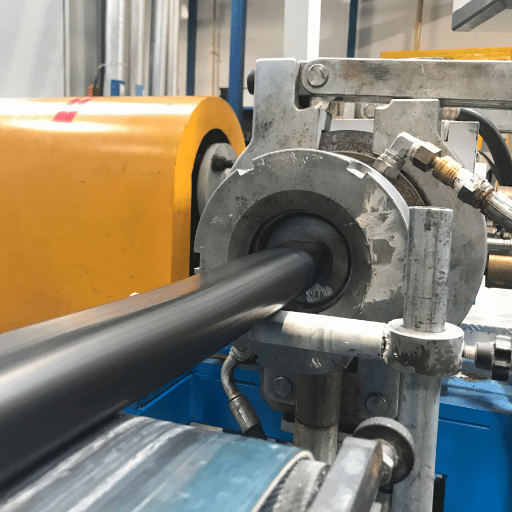
Twin screw extrusion has become essential in the production of organic fertilizers. This method, which involves continuous mixing, heating, and shaping, transforms animal waste, crop residues, and food scraps into stable, high-quality fertilizer pellets. Twin screw extruders represent a significant advancement over older techniques such as batch mixing and simple pellet mills. They provide superior material-blending capabilities, greater adaptability to diverse raw materials, and improved efficiency. The result is a markedly better final product.
Structure and How It Works
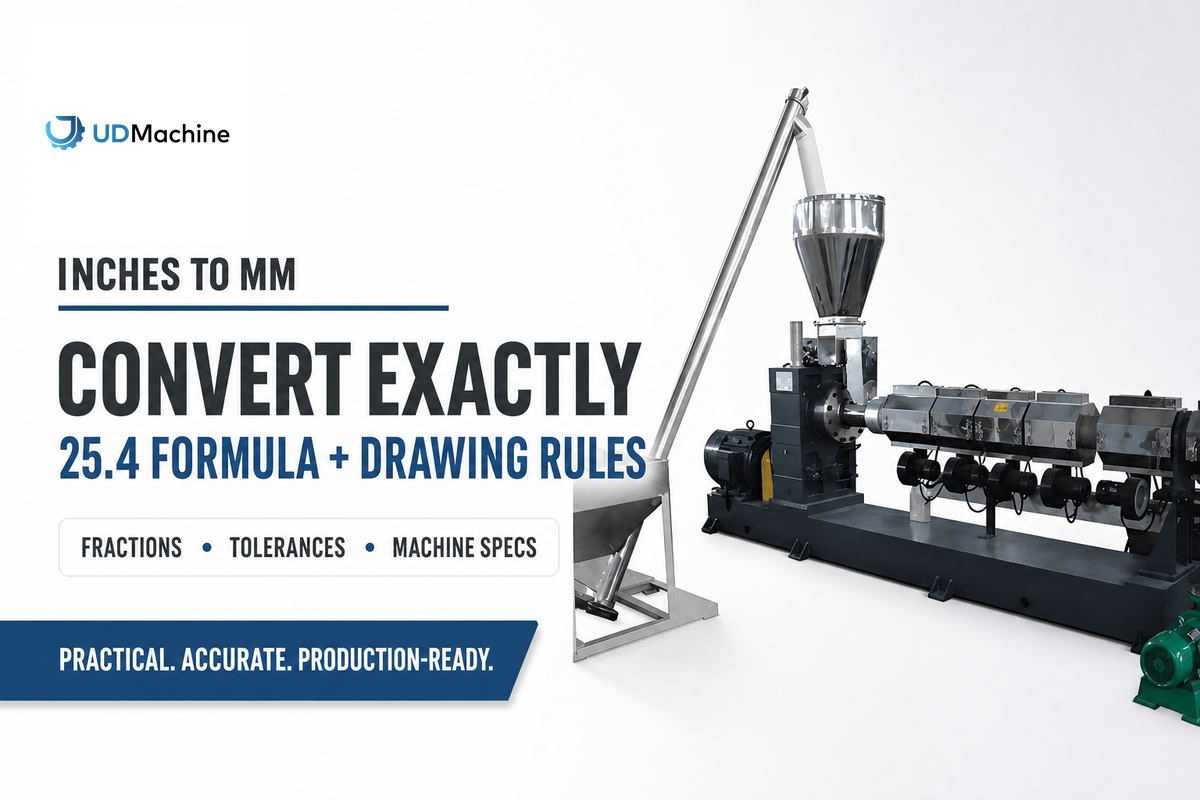
A twin screw extruder usually has:
- Feeding system: A hopper and controlled feeder bring in raw materials like manure, straw powder, and food waste. There may also be side feeders for liquid nutrients or microbial additives.
- Twin screws consist of two screws that mesh together, capable of rotating either in the same direction or in opposite ways. They find application in the movement, mixing, kneading, and compression of various materials, a process made possible by modular screw elements.
- A barrel: a segmented steel shell. Inside, it’s lined with materials built to endure. This shell is divided into distinct zones, each kept at a carefully controlled temperature.
- Temperature control is essential. Electric heaters or steam jackets are used to heat the barrel. This helps kill bacteria and activate the binders. Subsequently, water-cooled channels are used to prevent overheating in regions with high shear.Drive Drive system: A motor and gearbox provide torque and keep the screws in sync; variable-frequency drives change the speed of the screws for different formulations.
- Control panel: An industrial controller or PLC controls temperatures, speeds, feed rates, and pressures. It also has automatic alarms and safety interlocks.
- Die and cutting unit: At the discharge end, a die plate shapes the material into strands, which a rotating cutter cuts into pellets. Then, the pellets are cooled and screened.
Flow of the Process
- After the raw materials are pre-treated, they are measured and then put into the barrel.
The items are then advanced and blended softly at the initial section of the conveyor.
3. In the compression and kneading zones, the shape of the screw increases pressure, removes air, makes the material denser, and creates heat through friction.
4. Controlled barrel temperatures (usually between 60 and 150 °C, depending on the recipe) kill germs, lower moisture, and make the pellets stick together better.
5. When working with inputs that are very wet, vent ports may let out steam and gases that are very volatile.
6. The plasticized, homogenized mass is pushed through the die and cut into pellets.
7. Pellets are cooled and screened, and particles that are too big or too small are recycled.
Main Types of Twin Screw Extruders
Co-rotating vs. Counter-rotating
Twin screws that turn together
- The screws turn in the same way.
- Give very strong mixing, self-wiping action, and a lot of throughput.
- Great for complicated formulations with more than one component, like mineral-rich organic fertilizers and bio-fertilizers with helpful microbes.
- Usually use more energy because of the intense mixing, but the product is more uniform.
Twin screws that turn in opposite directions
- The screws turn in opposite directions.
- Create a lot of pressure in the area where the two parts mesh and less shear.
- Works well with materials that are very thick and wet, as well as simple manure pellets that don’t need to be mixed very well.
- Often use less energy for simple pelletizing tasks.
Parallel vs. Conical Screws
Two screws, running parallel to each other.
- The diameter remains consistent throughout their length.
- Provide consistent processing intensity and screw configurations that can be changed easily.
- Let you control the residence time and process conditions exactly, which is useful in research and development and multi-product plants.
Conical twin screws
- Conical twin screws are designed with a feed end that boasts a larger diameter compared to the discharge end.
- Better feeding ability and natural compression, which is especially helpful for large or wet materials like fresh manure or straw.
- Not as modular as parallel designs, but they work very well when feeding is the main problem.
Advantages of Organic Fertilizer Production
Improved Mixing and Homogenization
A key advantage of organic fertilizers is their uniform nutrient distribution. Twin screw extruders achieve this through two main processes: breaking up clumps in areas of high shear and the division and recombination of materials between the screws. This figure-eight flow pattern encourages quick layering, which helps maintain the stability of the nutrients.
As a result, each pellet has consistent amounts of both nutrients and microbes. This helps crops grow better and increases consumer confidence in the product’s effectiveness.
Streamlined Production
Twin screw extruders operate continuously, eliminating the downtime associated with batch loading and unloading. Throughput varies significantly, with small lab units processing between 50 and 100 kg/h, while industrial systems can exceed 3,000 to 6,000 kg/h.
Automated feeding, built-in mixing and pelletizing, and optional inline monitoring of temperature, pressure, and pellet size all cut down on the need for human intervention and make sure that the quality stays the same. Plants that are normal can run a whole line with just one or two people.
Better Pellet Properties
Pellets made with well-designed twin screw processes are:
- Dense: The bulk density of pellets is typically 1.0-1.4 g/cm³, which reduces storage and transportation costs and prevents moisture ingress.
- Strong: High crushing strength minimizes dust and breakage during handling and use.
- Uniform: A narrow size distribution makes it possible for accurate mechanical spreading and even delivery of nutrients.
- Durable: The pellets have a high durability index, which means they can survive long storage and shipping times.
These enhancements boost market value and reduce losses throughout the entire supply chain.
Cost and Energy Efficiency
Extrusion combines grinding (to some extent), mixing, sanitizing, partial drying, and pelletizing into one machine. This means that the total energy used per ton of finished fertilizer is much lower than that of traditional multi-step lines. The heat from friction inside the barrel means that it doesn’t need to be heated from the outside, and running it all the time means less time when it isn’t being used. Total operating cost per ton is usually much lower when you combine less need for labor and less waste of products. This makes it easier to pay back the cost of equipment.
Wide Compatibility with Raw Materials
Twin screw extruders can work with:
- Manure from chickens, cows, and pigs with different amounts of moisture.
- Crop waste like corn, rice, and wheat straw (after it has been cut down).
- Leftover mushrooms and other agricultural by-products.
- Food waste and other organic waste from the city, after being dried out and cleaned of impurities.
One line can handle different feedstocks and recipes by changing the screw configuration, moisture, and temperature.
Technical Specifications and Equipment Selection
Essential Specifications
Several critical specifications warrant consideration:
- Screw diameter:Frequently encountered dimensions include 50 mm (suitable for laboratories and pilot plants), 65 mm (appropriate for small enterprises), 95 mm (for medium-sized businesses), 135 mm (for large-scale operations), and 180 mm or greater for industrial-scale applications.
- L/D ratio (length-to-diameter) :This is usually between 28:1 and 56:1. Higher ratios give you more time to stay in one place, more processing zones, and more options for making complex formulations.
- Capacity and power: For instance, a 65 mm machine can move about 100–300 kg/h, a 95 mm machine can move 500–1,000 kg/h, and a 135 mm machine can move 1,500–3,000 kg/h. The motor powers range from tens to hundreds of kilowatts.
Steps for Choosing
- Set production goals: set the target annual tonnage, the number of days and hours of operation, and the desired capacity per hour (with some extra time for downtime).
Check the raw materials—The need for dewatering, grinding, and wear-resistant parts depends on the moisture content, particle size, fiber level, abrasiveness, and presence of contaminants.
3. Make the product specifications clear: what size, strength, moisture content, and nutrient levels the pellets need to have, and whether beneficial microbes need to survive the process.
4. Check the site conditions: the amount of available floor space, the load capacity of the foundation, the electrical supply, the ventilation, and the layout for moving materials.
5. Stay within budget and growth plans: Find a model that meets your current needs while also leaving room for future capacity upgrades.
Installation, Running, and Maintenance
Installation Prerequisites
For a stable working base for the extruder, a massive earthed concrete foundation must ensure that the foundation does not transmit undue stress or vibrations to the machine; such foundation must be correctly leveled. Successful operation and easy maintenance and feeding emanate from a spacious floor around the extruder. It is equally advised to use an industrial amount-of-three-phase electricity for safety and cleanliness, compulsory with suitable ventilation and air cleaning.
How To Operate
Preparation for Operation: Check the machine, lubrication and utilities, temperature control settings, and raw material specifications
Starting Operation: Warm up the heater and turn the screws at a low speed; increase the speed and feed rate slowly while monitoring the motor load and pellet quality status.
Normal Operation: Monitor the motor current, temperatures, feed arrangement, discharge pressure, and appearance of the material through every moment. Alter the process variable if necessary.
Shutdown: Stop feeding first, keep the screws running to get rid of the material, optionally feed a neutral purge material, lower the temperature and stop the drive before cleaning and cooling.
Upkeep
Routine maintenance usually includes:
Cleaning the screws, barrel inlet, and die every day to stop buildup.
Check lubrication levels, belts, and couplings weekly.
Please test heater, sensor, and safety device functions on a routine basis.
Replace load screw elements and barrel liners at regularly scheduled intervals depending on hours of operation.
Set up a maintenance program to improve the longevity of equipment, maintain consistent product quality, and minimize unplanned downtime.
In what ways are twin-screw extruders useful and environmentally friendly?
Twin screw extruders are used in:
Handling livestock excrement for example: processing excreta of chickens, cows, and pigs into shocks of sterilized and user-friendly pellets that reduce foul smell and chances of farm disease outbreaks.
Crop residue utilization could reduce the quantities available by supplementing straw with nitrogen-rich feedstocks to produce carbon-based organic fertilizers, thereby improving water-holding capacity and soil fertility.
Such a municipal resource treatment transforms food waste, green waste, and items of the like into fecal products, instead of disposing them off as stuff.
Bio-fertilizer sheds/pellets: those containing living microorganisms and some mineral nutrients separately. Temperature control becomes crucial with the avoidance of cooking live microorganisms to death.
Sustainable agricultural methods that convert waste into value-added products are widely regarded as key to advancing sustainable systems. It promises lower greenhouse gas emissions, reduced nutrient loss to water, and the ability of crop-residue-derived organics to resonate well with farm operations.