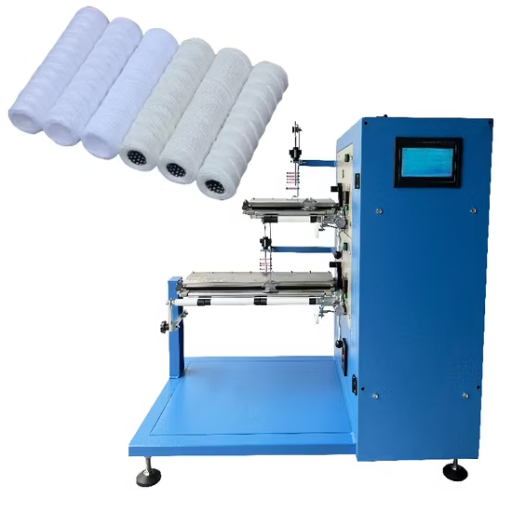
Filter cartridges serve as essential parts which provide industrial purification systems and water filtration systems with dependable performance and optimal operation capabilities. The filtration industry has experienced a complete transformation through technological improvements which now enable the production of wound filters and melt blown filters with advanced manufacturing techniques. The Filter Cartridge Making Machine functions as the main driving force which enables filter manufacturers to achieve precise production results at large manufacturing capacities while maintaining cost efficiency. The article demonstrates how these advanced machines establish new production benchmarks whichenable them to develop superior filters that fulfill rising industrial requirements. Get ready to uncover the technology behind these machines, their benefits, and the ways they are shaping the future of filtration.
Introduction to Filter Cartridge Making Machine
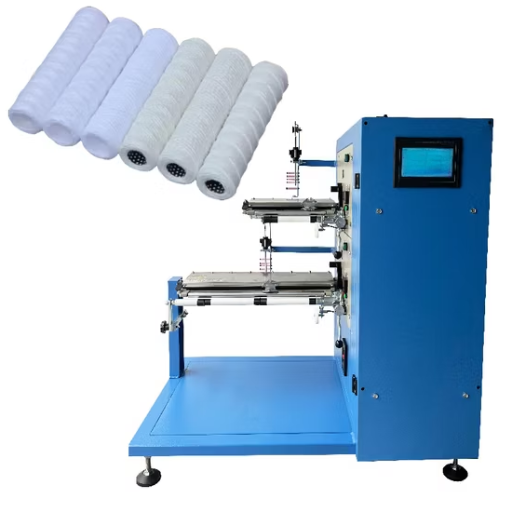
Filter cartridge making machines serve as dedicated production equipment that creates filter cartridges through automated manufacturing processes. The machines handle three processes which include pleating and cutting and assembling filter materials to produce filter materials with consistent quality and precise accuracy. The equipment serves essential filtration needs in multiple industries which include water treatment and pharmaceuticals and food processing. The demand for advanced filtration systems is met through filter cartridge making machines which achieve two objectives by increasing operational efficiency and decreasing the need for human work.
Understanding the Filter Cartridge Manufacturing
The process of making filter cartridges requires multiple fundamental procedures which produce effective filtration products. The process begins with choosing raw materials which include polypropylene and fiberglass and cellulose because they meet specific filtration needs. The materials undergo processing through advanced machinery which performs tasks including pleating and layering and welding to create cartridge structures. This procedure requires precise control because it determines both the pore size and the filtration efficiency of the system.
The current methods which use advanced technology systems, focus on automating processes, which leads to increased operational efficiency, while businesses preserve their high-quality production standards. The computerized system tracks all operations from material preparation through to assembly line operations, which helps to decrease production errors while enhancing product consistency. To decrease their environmental impact, manufacturers select recyclable or biodegradable materials for their production processes which help them sustain their environmental responsibilities.
The answer to your question about how filter cartridges fulfill various industrial requirements, exists because their design enables them to adapt to different situations. The cartridges use customized designs with different micron ratings, which enable them to provide pharmaceutical solutions that require sterile conditions, as well as beverage solutions for wine that demand visual and taste purity.
The Importance of Quality in Filtration
The process of achieving optimal performance together with fulfilling industry-specific requirements depends on the establishment of filtration quality standards. The implementation of high-quality filtration systems enables accurate contaminant elimination which safeguards delicate equipment while ensuring adherence to demanding regulatory requirements. The pharmaceuticals, food and beverage, and water treatment industries face high stakes because inadequate filtration systems result in product contamination which creates serious health and safety hazards. The development of quality filtration solutions uses durable materials together with advanced manufacturing techniques to achieve dependable system performance. The implementation of better filters as a primary focus area increases operational success by decreasing downtime while improving system reliability.
Overview of Cartridge Production Processes
The production process for cartridges includes multiple steps which require exact control to create a final product that satisfies all industry requirements. The process starts with material selection where engineers select high-quality materials such as polypropylene and stainless steel because these materials can withstand various chemical substances. The manufacturing process uses advanced technologies which include melt-blown and pleated designs to produce filtration media that achieves optimal pore size for efficient contaminant removal. The production process starts with media creation which leads to cartridge assembly through thermal bonding and adhesive-free methods that keep all components sterile. The testing process includes critical testing and quality assurance activities which test product integrity and measure flow rate to confirm that products meet performance requirements and industry regulations. The packaging process for cartridges takes place in controlled spaces which help maintain product integrity until the moment of usage. Manufacturers achieve process improvement by using data-driven insights which Google search trends provide to meet the increasing need for sustainable practices and better operational efficiency.
Types of Filter Cartridges
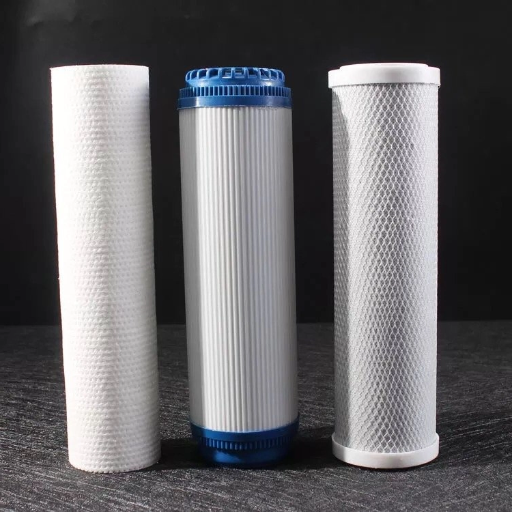
Filter cartridges include sediment, carbon, pleated, ceramic, membrane, resin, and specialty cartridges.
| Type | Material | Function | Micron | Flow | Lifespan |
|---|---|---|---|---|---|
| Sediment | Polypropylene | Removes dirt | 0.5-100 | High | 3-6 months |
| Carbon | Activated C. | Eliminates odor | 0.5-10 | Moderate | 6-12 months |
| Pleated | Polyester | Traps particles | 1-50 | High | 4-6 months |
| Ceramic | Ceramic | Filters bacteria | 0.2-1 | Low | 12+ months |
| Membrane | Polymer | Ultra filtration | 0.0001-0.1 | Moderate | 1-2 years |
| Resin | Ion exchange | Softens water | N/A | Moderate | 6 months |
| Specialty | Mixed types | Targeted use | Varies | Varies | Varies |
Melt Blown Filter Cartridges
The construction of melt blown filter cartridges involves multiple layers of fine polypropylene fibers which designers have bonded together at their intersections. The cartridges function as water purification systems which remove various forms of contaminants including sediment and dirt and rust and other particulate matter from water sources. The materials are highly regarded because they can capture more dirt and maintain stable filtration results throughout their operational time. Different applications which need particulate removal can use melt blown filters because they provide multiple micron rating options. The water purification systems use these filters as pre-filters which last about three to six months depending on water quality and system usage. For manufacturers comparing equipment for these two cartridge constructions, the PP melt-blown and string-wound filter cartridge machines from UDTECH catalogue covers the forming lines and related core-tube, end-cap and wrapping equipment.
String Wound Filter Cartridges
String wound filter cartridges provide effective sediment and dirt and sand and particle removal from liquids which they use in various industrial and residential applications. The filter construction uses durable yarn materials that include polypropylene and cotton and glass fiber which workers tightly wind around a central core. The unique winding pattern creates a gradient density structure, which enables particles to become trapped on the surface and inside the filter’s deeper sections. People prefer string-wound filters because they can be used in different ways and they maintain their performance standards during chemical exposure and their ability to handle high flow rates and pressures. The system serves multiple industries, which include food and beverage processing and pharmaceutical and chemical manufacturing and residential water filtration. The system removes particles from water which leads to dependable water quality across different uses.
Pleated Filters and Their Applications
Pleated filters provide excellent particle and contaminant capture performance because their design increases their total filtration area. The manufacturing process of these products involves creating pleats on filter material which enables them to achieve higher filtration capacity and extended operational time. These filters find common usage in situations that demand exact filtration standards which include HVAC systems and medical facilities and automotive industries. The design of these systems achieves efficient airflow while retaining high levels of particle capture efficiency, which makes them suitable for keeping air or fluid systems clean.
Filter Cartridge Making Machines
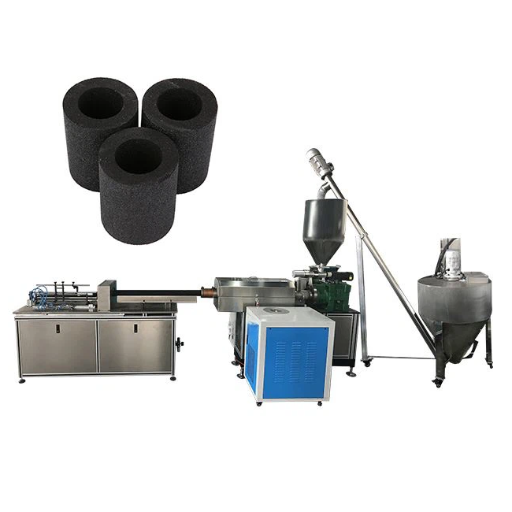
The design of filter cartridge making machines enables them to produce high-quality filter cartridges through efficient operations that achieve precise results. The machines perform multiple functions which include pleating and cutting and assembling of filter materials to deliver uniform performance and long-lasting durability. The advanced filtration systems of these machines find common application in HVAC and medical and automobile industries.
Overview of Machinery for Filter Production
The filter production machinery uses advanced technology to produce high-performance filtration systems which various industries require. The production of filters relies on three machines which include pleating machines and ultrasonic welding machines and end-cap assembly units to complete their designated tasks. Modern advancements focus on automation and precision and efficiency to enhance productivity while maintaining the quality of the filters. The automated pleating machines now use servo motors and advanced programming to create uniform pleats which use minimal material. The ultrasonic welding machines create strong and leak-proof seals for filter construction which medical and cleanroom applications require.
The specialized equipment enables manufacturers to create various filter designs which include HEPA filters and cartridge filters and bag filters to satisfy the strict requirements of healthcare and automotive industries. The combination of real-time monitoring systems with data analytics technology enables modern machines to maintain high quality standards while decreasing production downtime.
Fully Automatic vs. Semi-Automatic Machines
Fully automatic machines offer higher efficiency, precision, and minimal labor needs, while semi-automatic machines provide flexibility, lower costs, and require more manual intervention.
| Key Point | Fully Auto | Semi-Auto |
|---|---|---|
| Efficiency | High | Moderate |
| Precision | High | Moderate |
| Labor Needed | Low | High |
| Cost | Higher | Lower |
| Automation Level | Complete | Partial |
| Flexibility | Limited | High |
| Maintenance | Automated | Manual |
| Output Rate | Faster | Slower |
Key Features of Modern Cartridge Making Machines
Modern cartridge making machines provide businesses with improved operational performance through their advanced technical capabilities. The following list displays the primary characteristics of these machines:
- ✓
High Precision – These machines ensure consistent quality and accuracy in cartridge production, reducing errors and waste. - ✓
Automation Options – The system provides two operational modes through its fully automatic and semi-automatic systems which accommodate different manufacturing requirements and financial constraints. - ✓
Enhanced Productivity – The system achieves maximum output through its fully automatic machines which deliver faster production rates. - ✓
Durability – The product achieves extended operational life through its construction from strong materials which require minimal maintenance. - ✓
User-Friendly Controls – The system provides users with simple interface systems which enable them to operate the equipment without needing extensive training. - ✓
The system provides production flexibility through its adjustable settings which enable operators to meet their specific production requirements. - ✓
Efficient Maintenance – The system uses automated maintenance systems in its advanced features while its semi-automatic systems provide users with simple maintenance procedures.
The manufacturing industry uses modern cartridge making machines because they provide dependable and expandable production capabilities which meet industrial requirements.
Materials Used in Filter Cartridge Manufacturing
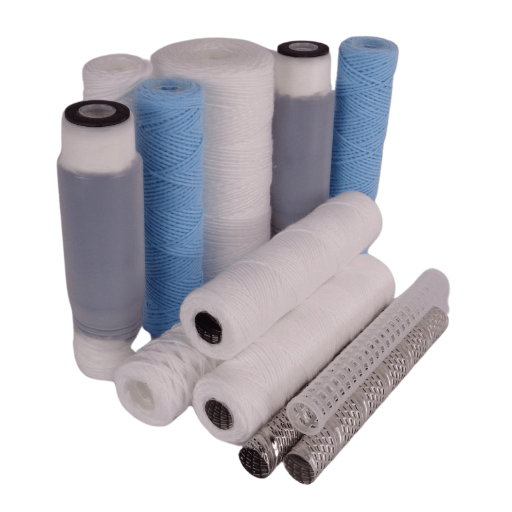
The design of filter cartridges requires materials which provide both operational performance and operational compatibility with different use cases. Common materials include polypropylene which serves as a popular choice because of its chemical resistance and low cost and stainless steel which provides superior strength and high-temperature performance. Glass fiber serves as a primary material for improved filtration results whereas activated carbon functions as a standard material used to remove contaminants and smells. The selection process of these materials requires specific filtration needs which each application demands.
Polypropylene (PP) in Filter Production
Polypropylene (PP) serves as an essential material which companies use to create their filtration systems. Its lightweight construction and chemical resistance together with its durability properties make it suitable for all types of air and water purification systems. The main benefit of PP material lies in its protective qualities which enable it to endure corrosive materials while delivering dependable performance throughout long operational periods in situations with extreme conditions. The process of spinning polypropylene into fine fibers enables their application in high-efficiency particulate air (HEPA) filters which deliver better air filtration performance. PP functions as a fundamental component in modern filtration systems because of its cost effectiveness and capacity to meet specific design needs. Polypropylene filters display enhanced operational performance and expanded usage possibilities because of improvements in manufacturing methods.
Advantages of Using PP Yarn
- Lightweight and Durable: PP yarn which has lightweight properties provides exceptional durability which makes it suitable for creating filter cartridges that need to last.
- Chemical Resistance: The material shows strong resistance against chemicals which enables its use in various filtration systems.
- Cost-Effective: The low price of polypropylene yarn enables manufacturers to produce filter cartridges of high quality at an affordable cost.
- Moisture Resistance: The material protects itself from harm because it stops moisture from entering while its filtration system functions properly in wet conditions.
- Customizable Properties: Engineers can design PP yarn to match specific filtration requirements which enables them to create custom solutions that perform according to their needs.
Comparative Analysis of Filter Materials
Polypropylene (PP), polyester (PET), cellulose, and nylon are the primary materials used in filter cartridge manufacturing.
| Material | Advantages | Disadvantages | Applications |
|---|---|---|---|
| PP | Affordable, durable | Lower heat resistance | Water filtration |
| PET | Strong, heat-resistant | Expensive | Industrial use |
| Cellulose | Biodegradable, cheap | Low durability | Basic filtration |
| Nylon | High strength, elastic | Costly | Precision tasks |
Production Lines for Filter Cartridges
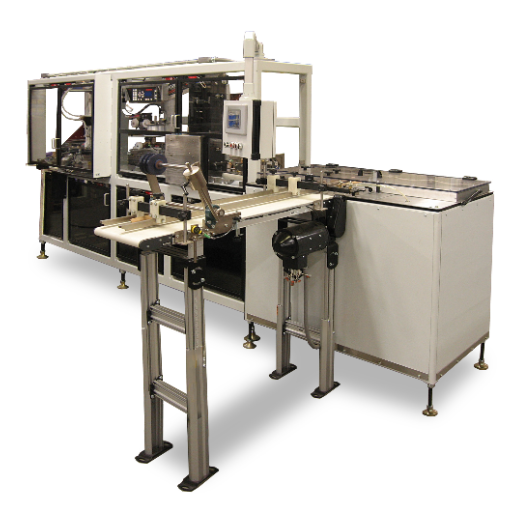
The production process for filter cartridge manufacturing consists of multiple essential steps which guarantee the creation of products with superior quality. The process typically includes raw material preparation which involves the sourcing and treatment of materials such as PP and PET and cellulose and nylon. The materials undergo shape transformation through molding and pleating and extrusion to achieve specific filtration needs. The advanced machinery operates with high precision while ensuring efficient results especially for products that need to withstand extreme strength or heat conditions. The cartridges undergo assembly which includes quality testing and packaging for distribution to various industries including water filtration and industrial processes and precision tasks.
Designing an Efficient Production Line
An effective production line for filter cartridge manufacturing needs specialists to arrange equipment through their process mapping work. The main factors to consider include the following two aspects.
Material Selection and Handling
The facility must acquire materials that meet its specific needs through their testing process. The organization needs to establish secure storage methods and correct handling techniques to protect material quality.
Streamlined Workflow
The facility needs to organize its equipment and work areas so that workers complete tasks without wasting time or energy. The implementation of a straight production path system helps businesses achieve better operational efficiency through its ability to alleviate production constraints.
Automation and Technology
The organization needs to implement automated systems at all possible points to achieve better production speed and process precision throughout its molding activities and assembly work and quality control operations.
Quality Control
The process requires multiple checkpoints which will track product development to ensure consistent product outcome. Automated testing equipment can help identify flaws early.
Energy Efficiency
The organization needs to implement energy-efficient machines because they provide two benefits which include lower operational expenses and reduced environmental damage. The assessment will consider renewable energy solutions as one of the options to help achieve sustainability targets.
Production lines can reach better performance levels with these elements because they establish reliable output standards which help reduce expenses while meeting industry requirements.
Integration of Technology in Filter Cartridge Production
The application of advanced technological systems has transformed manufacturing operations through filter cartridge manufacturing which now operates at both higher productivity levels and larger production capacities. The process of automation establishes better efficiency because it handles essential work functions like material movement, product assembly, and product evaluation processes. The implementation of robotic systems enables precise cutting operations together with consistent product assembly which decreases the chances of human mistakes while producing products of constant quality.
The application of IoT devices enables production lines to experience continuous monitoring and gathering of operational data. Manufacturers can use this ability to detect issues before they cause production delays which helps them to maintain their production levels according to market requirements. The combination of data analytics and AI technology enables organizations to enhance their operational processes through maintenance prediction and resource management optimization.
New technologies such as 3D printing become important tools for developing prototypes and producing customized cartridge designs. These innovations significantly reduce lead times and provide manufacturers with greater flexibility in creating tailored solutions.
The combination of automation with IoT and AI technologies makes filter cartridge production more affordable while achieving modern environmental targets through decreased waste and operations that consume less energy. The technological progress enables manufacturers to produce reliable, high-quality goods which help them remain competitive in the changing industrial market.
Emerging Technologies in Filter Manufacturing
The industry now experiences a transformation through new filter manufacturing technologies which provide better operational performance and more exact results and sustainable development. Additive manufacturing (3D printing) enables the development of customized filter systems which use only necessary materials for their production. The use of automation together with robotics technology enables businesses to achieve their production targets while decreasing operational mistakes. The Internet of Things (IoT) system provides businesses with the ability to monitor equipment in real time while predicting maintenance needs to achieve maximum production efficiency. The technologies enable manufacturers to create better products which meet their environmental requirements and operational needs while competing in the market.
Reference Sources
-
A Review of Processing Strategies to Generate Melt-Blown Nano/Microfiber Mats for High-Efficiency Filtration Applications: This paper reviews melt-blowing parameters and strategies to enhance filtration efficiency, offering insights into advancements in filter media production.
-
Multifunctional Polymer Composites Produced by Melt-Blown Technique to Use in Filtering Respiratory Protective Devices: Discusses innovative production methods for melt-blown filters, focusing on multifunctional polymer composites.
-
Combining Solution-Blowing and Melt-Blowing Techniques to Produce an Efficient Non-Woven Filter: Explores the combination of solution-blowing and melt-blowing techniques to create efficient non-woven filter materials.
-
A Continuous Production Apparatus for a Frame-Type Melt-Blown Filter Cartridge with Various Properties and Geometry: Focuses on the development of continuous production equipment for frame-type melt-blown filter cartridges, highlighting core technological advancements.
- Food Machine and Extruders Provider in China
Frequently Asked Questions (FAQs)
How does a filter making machine or filter cartridge production line produce pp melt blown filter cartridge products?
A filter making machine or full filter cartridge production line for pp melt blown filter cartridge manufacturing combines melt blown filter making stages such as polymer extrusion, yarn winding, multi-layer deposition and controlled cooling water to form cylindrical pp melt blown filter cartridges; the process uses variable frequency drives and servos and PLC control to maintain precise speed and temperature while a welder or bonding station attaches end caps and optional electroplate or surface treatments are applied before testing to achieve high filtration performance for water filters which are used in laboratory water and boiler water applications.
What features should I look for in a filter machine supplier and machine manufacturer?
The process of evaluating a filter machine manufacturer or supplier requires assessment of machine capabilities which include PLC control systems, variable frequency drives, servos, user-friendly HMI systems, temperature and tension monitoring sensors, high output capacity, low power usage, precise yarn winding capabilities, dependable welding machines for end cap attachment, filter size and width customization possibilities, and export capability combined with maintenance assistance to support seamless transition between different types of filter cartridge manufacturing.
Can a blown filter cartridge making machine or melt blown filter cartridge making line produce multi-layer and pp spun filter cartridges?
The blown filter cartridge manufacturing equipment and the melt blown filter cartridge production line are capable of producing multi-layer filter cartridges through their ability to create polypropylene spun filter cartridges and polypropylene melt blown filter cartridges. The machine enables the production of multi-layer structures through its capacity to create alternating layers of various denier polypropylene materials which serve as base materials for producing pp spun filter and pp melt blown filter cartridges. modern equipment supports precise control of layer thickness, groove patterns, cooling water circuits and post-formation treatments to deliver multi-layer media that achieve high filtration efficiencies for drinking water, pre-treatment and fuel oil filtration.
How does a string wound filter cartridge machine or wound filter making machine create pp string wound filter cartridge products?
A string wound filter cartridge machine or wound filter making machine creates pp string wound filter cartridge products through its yarn winding technique which uses controlled tension to wind polypropylene yarn around a cylindrical core. The machine features programmable winding patterns and allows operators to adjust its width and groove settings and includes tension sensors and PLC control for changeover and a final end cap welding or sealing station to produce robust sediment filter cartridge and spun filter cartridge options for water treatment and industrial water injection systems.
What maintenance and pre-treatment steps are required for melt blown filter making machine and weld equipment?
The routine maintenance process for a melt blown filter making machine and its accompanying welding equipment requires operators to perform specific tasks. The tasks include cleaning all melt-head components while checking both the operational flow and quality standards of cooling water. The process requires examination of both sensors and PLC inputs while applying lubrication to all equipment components. The process requires calibration of yarn winding tension while verifying the integrity of electroplate and surface finishes. The pre-treatment checks require testing both raw material quality and polypropylene drying while verifying that end caps fit correctly to stop production defects which will help maintain uniform output for pleated filter cartridges and polypropylene spun filters.