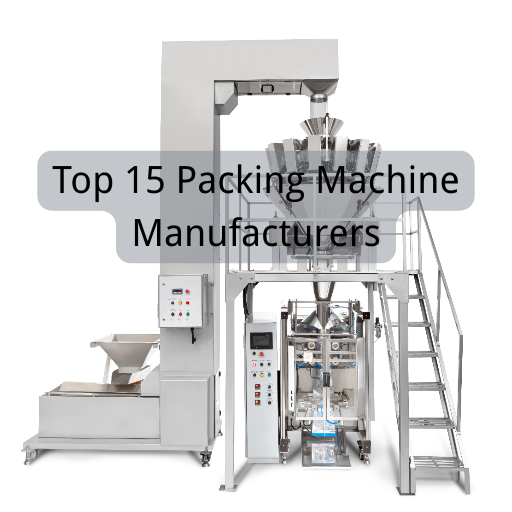
Top 15 Packing Machine Manufacturers You Need to Know in 2026(Updated List)
Efficient, scalable and ROI packing machine manufacturers are key to all the above. This article is intended to introduce the reader to the packaging machinery sector and provide a context for packaging automation, as well as how leading manufacturers are helping packaging equipment companies optimise the packaging process in a range of sectors. All the way from the filling machines and the cartoning to the case packing and the shrink packaging, we examine how packaging systems take care of quality packaging, labor cost reduction and meeting the highly complicated packaging requirements to achieve the perfect packaging policy.
Introduction to Packaging Machines
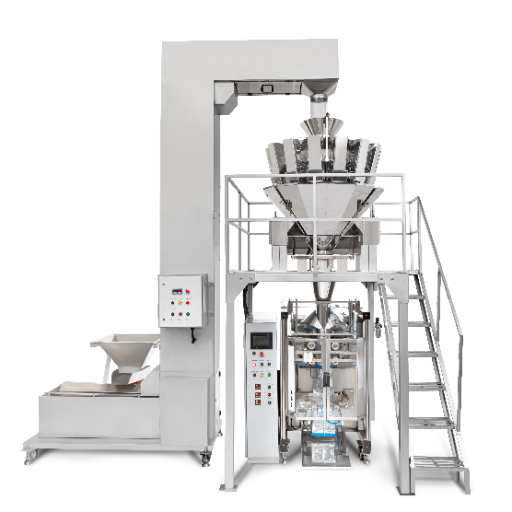
Packing Machine Manufacturers offer an array of equipment and solutions to help automate important function of packing lines. Nowadays, the robots, high pace schemes, custom configurations are integrated with modern equipment to assist in machining, matching materials, meeting standards, and achieving production objectives. Such packaging machines can either be semi-automatic or fully automatic delivered in various constructions for each need – packaging, materials, and regulations – and help in enhancing output production and ensuring very good results within the packaging sector – custom construction composing work, fully automated machines.
The Importance of Packaging Machinery in Modern Industry
Packing Machine Manufacturers, among other companies producing packaging equipment, contribute to the advancement of the packaging machinery sector by introducing a semblance of mechanization in the performance of specific tasks such that they require no or minimal human resources and there is no variation in the standard of work done even at high levels of production. Employing case packers, cartoning, and filling machines in the packaging make- operations is a common practice in most companies as it helps to reduce manpower costs, increase efficiency in operations which require prolonged periods of work, and gives easy access to packaging materials of various types and designs.
Overview of Packaging Types and Applications
Typical machines most commonly used for packaging include form-filling and sealing equipment for bag formats, cartoning systems for shelf-ready packs, case sealers and case erectors for very end of the line packaging as well as strapping machines for securing pallets. Shrink packages provide tamper resistance and display purposes, whereas filling machines are robust, able to accommodate liquids, powders and particulate products. Packing Machine Manufacturers offer equipment solutions in SKUs for various industries that continue to evolve; however, cutting-edge companies can develop systems that support a sophisticated end-to-end process.
| Machine Type | Primary Use |
|---|---|
| Form-fill-seal equipment | Bag applications |
| Cartoning systems | Retail-ready packs |
| Case sealers and case erectors | End-of-line packaging |
| Strapping machines | Pallet security |
| Shrink packaging units | Tamper evidence and presentation |
| Filling machines | Liquids, powders, and particulates |
How Automation is Transforming Packaging Tasks
Automation seamlessly links the upstream output to the final packaging operations, allowing for efficient control of the production process, speedy tool changes, and preventive repairs. With automation, interventions are kept to a minimum, which optimizes the entire packaging work and increases operational efficiency by improving packaging labor costs whereby practical personnel are freed from basic packaging and assigned to additional, more relevant duties. Packing Machine Manufacturers now manufacture design variantless packaging solutions along tiles that allow for modification as the need arises to ensure highest packaging efficiency and stable rate of production for all packaging solutions along with definable objectives.
Key Industries Utilizing Packaging Equipment
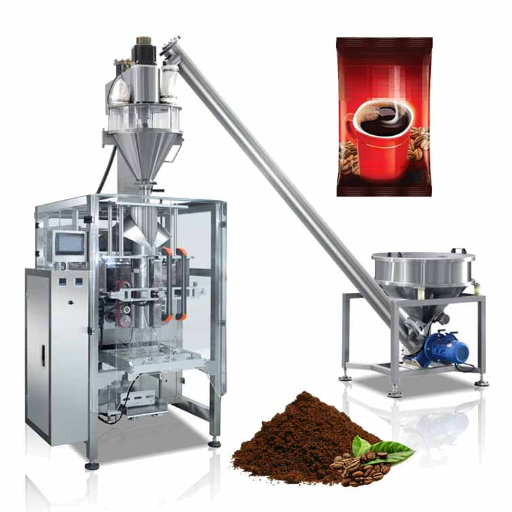
A combination of efficient and effective packaging machinery and equipment from different industries for packaging process. Integrated systems match the materials used, the extent of automation desired, and the achievable outputs in a bid to reduce costs associated with labor. Manufacturers of packaging equipment hire robots, high speed module and shrink wrapping for self-tape, automatic clip and pegging, thereby enabling high end production with minimum labor cost. Some packing machine manufacturers are known for incorporating robotics, fast-paced modules and even covering shrink wrap for comprehensive production purposes, which support cutting down on hours where manpower is scarce.
Food and Beverage Industry
The food & beverage industry is driven towards packaging automation for reasons of freshness, safety, and throughput. One cannot talk about the packaging machinery in this sector without looking at form, fill and seal for bag formats, filling machines for liquids and powders or cartoning for retail ready packs. The Packing Machine Manufacturers also manufacture packaging solutions, including systems for inspection, case sealing, and end-of-the-line packaging, incorporating all facets of hygiene practices. Introducing robotics and rapid changeovers for SKUs enhances SKU variety while reducing waste and minimizing workforce requirements.
Pharmaceuticals and Healthcare Sector
In the packaging of pharmaceutical products, the packing machine manufacturers are expected to give high standards quality packaging with strict adherence to compliance. When referring to packaging systems, serialization, tamper proof shrink packaging, as well as very accurate vial/syringes/blister filling machinery is used. The lines in these facilities are all fully automated and qualified allowing them to maintain the sterility, records and to prepare for an audit. Robotic packaging equipment allows for sterile processes and minimizes human impact which smoothens the packaging procedures and reduces costs. Packaging machinery manufacturers offer integrated solutions with software validation, clean rooms and compatibility of packaging components achieving challenging packaging designs and patient protection in all regions.
Consumer Goods and Retail
Consumer goods companies manufacture a wide array of products, which means a flexible packaging equipment that does not necessarily have to be adjusted for promotions or seasonal SKUs. Different packing machine manufacturers offer different forms of packaging solutions. These may include bag form techniques, multipack cartoning, strapping machines to enhance the stability of the pallet among others. Automation use in packaging also involves incorporation of vision-guided robotics for purposes of precision in labeling and presentation which has been significant in ensuring quality products, which has increased the aesthetic appeal. Some semi automatic modules can be expanded into fully automatic systems without risking downtime or ROI. Packaging operations at the final end of the line such as case sealing and case packing helps in speeding up packing processes and shipping, while custom packaging machines fit in different packaging materials and styles to offer optimal packing management.
Logistics and Supply Chain Management
Logistics is a complex discipline and the attention of packing machine manufacturers is directed towards ensuring the lowest possible material and labor costs while avoiding damage to goods. The following systems include machines for right-sizing, shrink packaging, strapping, etc.; to inhibit damage to goods in transit with minimum dunnage. Intelligent systems allow error and labor free end of line packaging by working in tandem with the flow of packaged products. Carton sealers and automated carton packing help control waste of packaging process in your facility with a minimum number of workers and wastage. Packaging solutions from the leading packaging suppliers offer solutions with integrated data capture for traceability helping in total packaging over the hubs and last mile support together with best packaging practices with every channel.
Analysis of the Top 15 Packing Machine Manufacturers
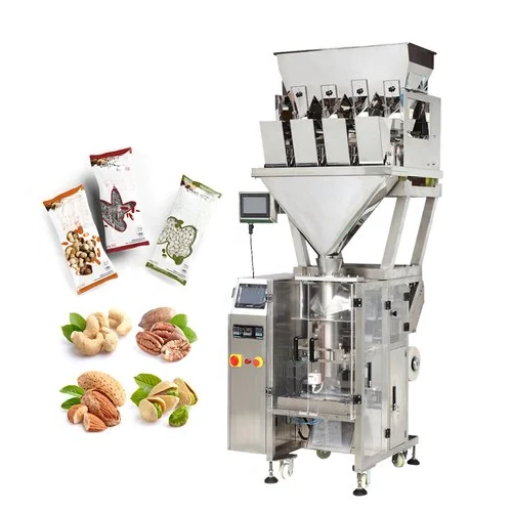
1. UDTECH
Founded: 2012
Introduction: UD Machine is a leading manufacturer specializing in innovative and efficient packaging machinery solutions for various industries.
Main Products: Automatic carton packing machines, flow wrappers, vertical form-fill-seal machines.
Key Advantages: High customization, cutting-edge technology, and excellent after-sales support.
Key Disadvantages: Limited global presence compared to older competitors.
Website: UD Machine Official Website
2. Syntegon Technology (formerly Bosch Packaging)
Founded: 1969
Introduction: A global leader in food and pharmaceutical packaging, known for smart and sustainable solutions.
Main Products: Fill-finish lines, capsule fillers, blister packaging systems.
Key Advantages: Advanced automation and IoT integration.
Key Disadvantages: High initial investment cost.
Website: Syntegon Official Website
3. Tetra Pak
Founded: 1951
Introduction: Renowned for aseptic packaging solutions, particularly for liquid food products.
Main Products: Aseptic carton lines, UHT processing systems.
Key Advantages: Eco-friendly packaging and high-speed systems.
Key Disadvantages: Limited to specific industries like dairy and beverages.
Website: Tetra Pak Official Website
4. Krones AG
Founded: 1951
Introduction: A German giant in beverage and liquid food packaging, offering high-speed solutions.
Main Products: PET filling systems, labellers, and modular packaging lines.
Key Advantages: Exceptional speed and modularity.
Key Disadvantages: Primarily focused on beverages.
Website: Krones Official Website
5. IMA Group
Founded: 1961
Introduction: An Italian leader in pharmaceutical, food, and tea packaging machinery.
Main Products: Blistering machines, capsule fillers, and cartoners.
Key Advantages: High precision and sustainability.
Key Disadvantages: Complex systems may require extensive training.
Website: IMA Group Official Website
6. Coesia Group
Founded: 1923
Introduction: A multisector packaging solutions provider with over 21 companies under its umbrella.
Main Products: Tube fillers, pouch machines, and cartoners.
Key Advantages: Comprehensive solutions and hybrid machines.
Key Disadvantages: Higher costs for integrated systems.
Website: Coesia Official Website
7. Multivac Group
Founded: 1961
Introduction: A German leader in vacuum and thermoforming packaging systems.
Main Products: Tray sealers, chamber vacuum sealers, and X-ray inspection units.
Key Advantages: Hygienic design and flexibility.
Key Disadvantages: Limited to specific packaging types.
Website: Multivac Official Website
8. Ishida Co., Ltd.
Founded: 1893
Introduction: A Japanese pioneer in weighing and food packaging solutions.
Main Products: Multihead weighers, X-ray inspection systems.
Key Advantages: Precision and AI-based sorting.
Key Disadvantages: Focused mainly on food packaging.
Website: Ishida Official Website
9. ProMach
Founded: 1998
Introduction: A US-based company offering integrated packaging solutions across multiple industries.
Main Products: Fillers, cappers, and labeling systems.
Key Advantages: Customization and end-to-end solutions.
Key Disadvantages: Limited presence in certain regions.
Website: ProMach Official Website
10. Sidel
Founded: 1965
Introduction: A leader in PET, can, and glass packaging solutions.
Main Products: Blow-fill-cap systems, labellers.
Key Advantages: Lightweight packaging and digital tools.
Key Disadvantages: Primarily focused on beverages.
Website: Sidel Official Website
11. Soontrue
Founded: 1993
Introduction: A Chinese manufacturer specializing in flow packing and vertical packaging machines.
Main Products: Flow wrappers, vertical form-fill-seal machines.
Key Advantages: Cost-effective and customizable solutions.
Key Disadvantages: Limited high-end features compared to European competitors.
Website: Soontrue Official Website
12. Kenwei
Founded: 2006
Introduction: A Chinese leader in intelligent weighing and packaging systems.
Main Products: Multihead weighers, linear weighers, and check weighers.
Key Advantages: High-speed and high-precision systems.
Key Disadvantages: Limited product range outside weighing systems.
Website: Kenwei Official Website
13. ULMA Packaging
Founded: 1961
Introduction: A global provider of flexible and sustainable packaging solutions.
Main Products: Flow wrappers, thermoformers, and tray sealers.
Key Advantages: Sustainability and ergonomic design.
Key Disadvantages: Limited focus on automation.
Website: ULMA Official Website
14. Fuji Machinery
Founded: 1946
Introduction: A Japanese company known for precision engineering in flow wrapping.
Main Products: Flow wrappers and high-speed packaging systems.
Key Advantages: Durability and precision.
Key Disadvantages: Limited global presence.
Website: Fuji Machinery Official Website
15. Barry-Wehmiller
Founded: 1885
Introduction: A US-based group offering diverse packaging solutions.
Main Products: Rotary fillers, labelers, and palletizers.
Key Advantages: Robust and reliable systems.
Key Disadvantages: Higher costs for advanced systems.
Website: Barry-Wehmiller Official Website
Comparative Analysis of Flagship Products
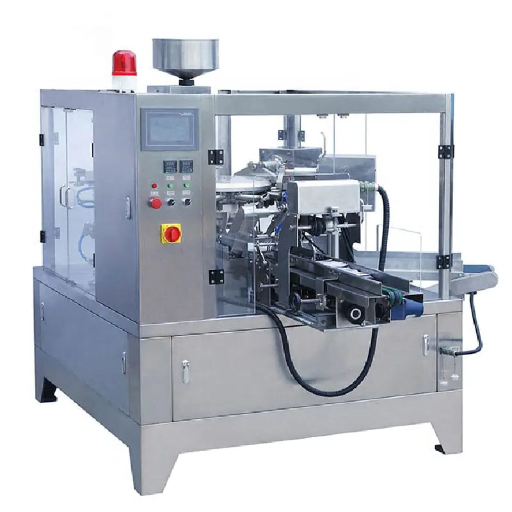
An analysis of various flagship packaging machine portfolios shows the diversity in Packaging Machinery, Integrated Packaging Systems and Packaging Equipment across the varied industries. Most of the platforms that are advantageous incorporate robotics, high speed motion and the notion of modularity in automating the end to end tasks as well as clarifying one’s investment. Encompassing the entire Packaging capability and its compatibility with the Packaging Material, and the Packaging Software that will help one fast track their activities, makes the understanding of ROI, minimising manpower, and worker stability in a fully or semi- automated Packaging system easy.
Technology and Innovation in Packaging Machinery
Innovations in technology focused on incorporating robotics, vision, motion of the servo, and maintenance that is predictive enhanced the use of digital twins. Digital twin technology, along with remote diagnostics and predictive maintenance, becomes an integral part of flagship platforms, allowing for efficient packaging and achievement of high-quality results. Adaptive forming in bag-making applications fine metering in filling machines and cartoning aided by AI are now offered by packaging equipment manufacturers. The packaging automation program assists in the arrangement of packing lines, aligns case packing, and links end-of-line packing, ensuring effective packing and safe packing processes are achieved.
Efficiency and Performance Metrics
Monitor the changeover time, overall equipment effectiveness, waste production, while time, productivity, and output. The latest technology in the world of packing machines minimizes the cycle time for cartoning and case packing and optimizes the time for shrink wrapping and bag sealing. Packing Machine Manufacturers also present such metrics as outages, time to maintain machines, and effective days without labor attached from automation and its manual replacement. Relevant indicators entail a recipe-driven setting of the apparatus, toolless changeover procedure, and conveyors that work together into a single process, which allows full wrapping even of quite complex packages.
| Metric/Focus | Purpose/Benefit |
|---|---|
| OEE, uptime, MTBF | Benchmark reliability and overall equipment effectiveness |
| Changeover time, tool-less changeovers | Reduce downtime and speed recipe-driven setup |
| Throughput, synchronized conveyors | Streamline packing and shipping workflow |
| Sealing quality, waste | Stabilize quality for shrink and bag formats while minimizing scrap |
Cost Considerations and Value for Money
The initial purchase cost isn’t the most important factor, the total cost of ownership is. It is the case for the packing machine manufacturers relying on standardized modules, single controls and interchangeable parts that reduce the associated life cycle costs. The price goes up when the packaging lines can handle a variety of packaging apart from moving up from semi-automatic models to full automatic ones while showing a significant reduction in manpower and wastage. Finance, software package, spares, and other conditions from competing suppliers, especially those specified by the buyers, in order to meet the cost to the needed level of packaging objectives.
Customer Support and Service Offerings
The availability of spare parts worldwide, the rapid provision of assistance, and the release of foreign language instructional manuals improve business continuity and ROI. Packing Machine Manufacturers that have systems in place for the sale, operation as well as maintenance of the equipment provided and/or ordered support packaging optimally thereby increasing efficiency. Also, response time related contracts with technical assistance and service portals that offer access to dashboards that assist in performance measurements also enhance the ROI in the long run. In regulated areas such as pet food, pharmaceuticals and others help in supporting compliance as there is a requirement to have documented evidence, while end-of-the-line packing audits testing the packaging of the case sealers, the striding machines and other devices in the packing processes maintain efficient operation even under tough conditions.
Conclusion and Key Considerations
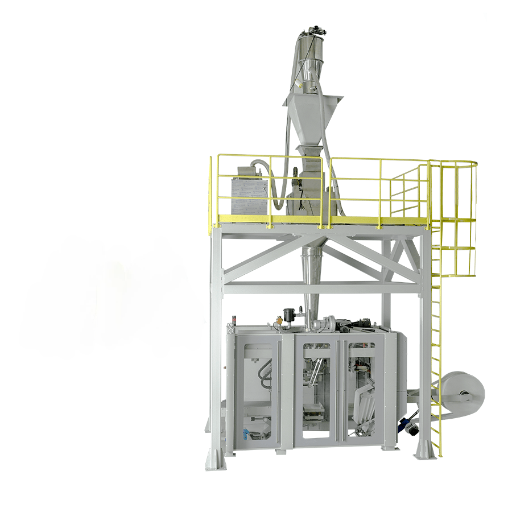
Considering information related to technology, performance, cost, and service helps understand how flagship packaging machinery lines cover full packaging for a wide range of sectors. To increase outputs without extra manpower, opt for modular systems, which can easily be scaled and are accompanied by a good service. Examining cartoning, case packing, shrink packaging, and filling machines from the point of view of each individual facilitates the process of selection of optimal packaging. Finally, top packaging companies with flexible packaging systems and a guaranteed return on investment will make the packing process easier and cheaper in the long run.
Synthesizing the Information on Manufacturers
The strengths of leading companies are speed and efficiency, ease of use, and they all have the possibility to integrate primary and secondary packaging operations. The distinctions are found in robustness, size of footprint, the use of smart technology, and customer service resources. Packing Machine Manufacturers providing, amongst others, bag forming and filling machines, cartoners, wrappers, case sealers and strapping machines, facilitate an entire wrapping process. A combination of hardware that can be upgraded and software that anticipates various shapes and products creates packaging that is cheaper and effective, and efficient.
Choosing the Right Packaging Machine Provider
Relate your wants to abilities, capacity of service, and whether the solution is scalable, considering as well speed of integration and provided materials. Assess the extent of integration of packaging systems to the existing packaging lines, the speed of automation changeover and adaptability to different chapter packaging materials. Consider the suppliers with clear cost structures, provisions for training or remote diagnostics, then optimize your plant for efficient takeoff. Go for bigger players in the global markets for the packaging operation and opt for packaging associates who have parts warehousing or parts distribution domestically.
Factors to Consider: Production Volume, Budget, and Scalability
Make sure that the automation level matches the volume, plan for TCO, and secure the expansion paths. Align production volume and machine class; semi-actively for the pilot lines, middle-speed modular for growth, and high-speed full rolling for the matured production. Budget planning should consider into account integration, validation, consumables, and maintenance in stressing-return on investment (ROI) and cutting employment costs. Will be required to make sure that the selected machinery can be expanded to cartoning and the end of the line from four-side seal bag and fill machines later. These additional features will check intelligibility to support complex packaging decision-making and packaging optimization analytics that ensure high product packaging quality in very dynamic operating environments and stability of packaging operations under changes in the market and SKU expansion.
| Area | Key Points |
|---|---|
| Automation vs. Volume | Semi-automatic for pilot lines; modular mid-speed for growth; fully automated high-speed for mature operations |
| Total Cost of Ownership | Plan for integration, validation, consumables, and maintenance to protect ROI and reduce labor costs |
| Scalability | Choose machinery that scales from bag and filling to cartoning and end-of-line packaging |
| Capabilities | Support complex packaging and analytics to optimize tasks and maintain quality across market shifts and SKU proliferation |