Hand-made paper is an ancient and refined craft that links creativity, sustainability, and mindfulness. Artist, paper enthusiast, or project person, this technique lets one take whatever materials they choose and turn them into very textured sheets of unique paper. We will take you step by step through the world of making paper by hand in this comprehensive guide, covering all the technical aspects necessary, tools needed, and tips to guarantee success. By and large, you will come to see how the craft can be used to further all sorts of artistic views while promoting an eco-friendly style of life with the reuse of materials on hand.
Understanding Handmade Paper

History and Importance of Papermaking
Paper dates back to over 2,000 years ago, being born in China during the reign of the Han Dynasty. In about 105 A. D., a Chinese court official named Cai Lun offered an improvised seasoning to this mysterious artifact by adding to mulberry bark and hemp some rags: these were beaten to pulp, pressed, and dried into thin sheets. This innovation changed the way people communicated and changed the very mediums in which literature, education, and culture existed and were proliferated throughout the world.
The Benefits of Making Handmade Paper
Key Advantages of Handmade Paper
- 🌍 Environmental Sustainability: Can be created from waste products such as scrap paper, natural fibers, and agricultural residues, reducing landfill contributions and supporting circular economies.
- ⚡ Energy Efficiency: Requires relatively less energy since it generally involves manual operations instead of heavy industrial machinery.
- 🎨 Unique Aesthetic Appeal: Offers texture and visual appeal that machine-made papers cannot replicate, making it ideal for fine stationery, custom invitations, and artworks.
- 💡 Creative Expression: Provides unlimited opportunities for customization through colors, textures, and embedded materials.
Recent data showcases a strong inclination toward eco-friendly materials and sustainable art supplies, reflecting growing interest in sustainable practices. These factors demonstrate why handmade paper is increasingly recognized as both a sustainable and versatile material.
Materials Needed for Papermaking
Handmade paper can be created from diverse materials, most of which can be sustainably sourced or recycled. Here’s a comprehensive list of what you’ll need:
Optional Additives for Customization
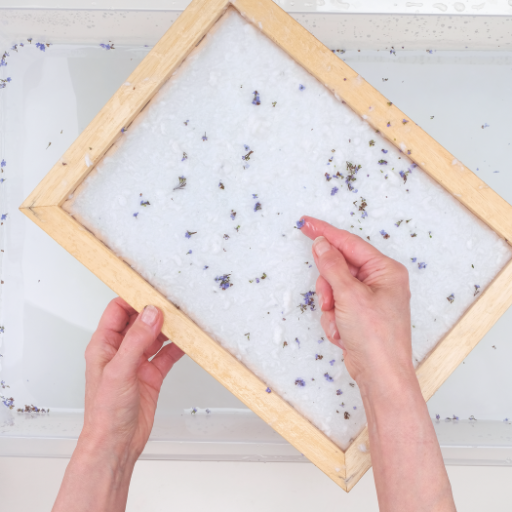
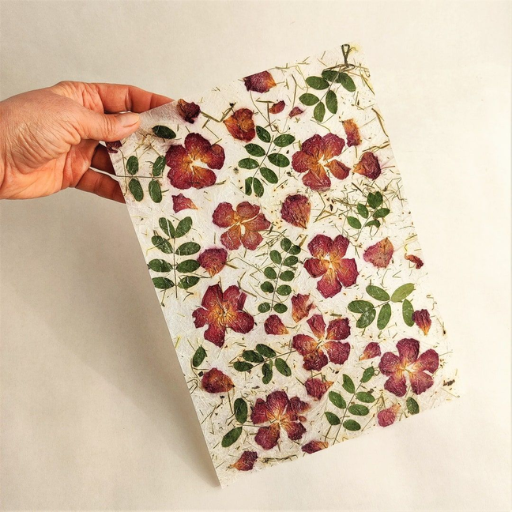
- Plant Materials or Dried Flowers: Used for decorative purposes
- Natural Dyes or Pigments: For coloring paper with eco-friendly options
- Starch or Sizing Agents: Applied for greater durability and stiffness
Basic Techniques for Making Handmade Paper
Types of Pulp
Selecting appropriate pulp is a critical step that determines the texture, strength, and appearance of your finished product. Common sources of pulp include recycled paper, cotton linters, and natural fibers like hemp or mulberry bark.
Recycled Paper
Environmentally friendly and suitable for beginners. Easily available and simple to process for small-scale projects.
Cotton Linters & Abaca
Provides smoother finish and excellent durability. Ideal for artists experimenting with various textures.
Agro-waste Fibers
Innovative options like wheat straw or banana stems. Reduces waste while adding unique characteristics to handmade paper.
When selecting pulp, consider the purpose for which the paper is being prepared—whether for writing, printing, or art—to ensure the chosen fibers exhibit properties suited to your requirements.
Making a Deckle and Mould
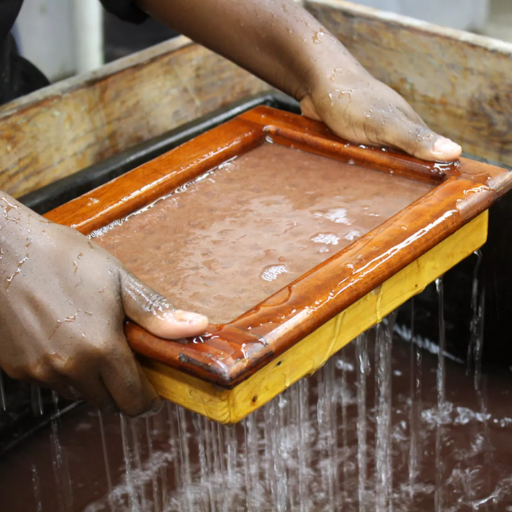
The deckle and mould are essential instruments in making handmade paper. The mould is a wooden frame or metal frame with stretched fine mesh screen used to give shape to the pulp in sheets. The deckle is a corresponding frame that fits over the mould to define the edges of the paper so that the pulp does not spread beyond these limits.
Step-by-Step Guide to Creating Your Deckle and Mould
- Prepare Two Identical Wooden Frames: These should be the same size and will work together to form your papermaking tool.
- Attach Fine Mesh Screen to One Frame: For the mould, secure the fine mesh screen tightly to the frame using staples or glue. Ensure the screen is taut and wrinkle-free.
- Keep the Deckle Open: The deckle must remain an open frame that sits on top of the mould, defining the edges of the paper while leaving the center free.
- Ensure Perfect Alignment: Make sure each frame aligns perfectly when joined together, giving the paper straight edges during the making process.
💡 Pro Tip: Many DIY enthusiasts customize their deckles by selecting sustainable woods or using repurposed materials for an extra eco-friendly approach that reduces environmental impact.
Pulp Preparation Using a Blender
A regular kitchen blender works effectively for pulp preparation, making it a popular choice among DIY papermakers. However, it’s advisable to set aside an old or inexpensive blender strictly for papermaking purposes, as the blades may lose their sharpness over time.
Pulp Preparation Process
- 1
Tear Recyclable Paper: Tear old newspapers or scrap printer paper into small pieces (approximately 1-2 inch squares). - 2
Soak in Water: Place torn paper in water and allow it to soak for several hours or overnight. This softens the fibers. - 3
Blend to Smooth Pulp: Transfer soaked paper and water to the blender. Blend until you achieve a smooth, uniform pulp consistency. - 4
Customize (Optional): Add natural dyes, flower petals, or other materials at this stage to create unique textures and colors.
Advanced Papermaking Techniques
Incorporating Recycled Materials
Integrating recycled materials into the papermaking process creates truly sustainable and environmentally friendly sheets of paper. The key to successfully utilizing shredded newspaper, cardboard, or office paper lies in proper preparation.
Best Practices for Using Recycled Materials
- Clean Thoroughly: Ensure materials are well cleaned and broken into small pieces before soaking in water.
- Remove Contaminants: Strip cardboard and newspaper of any glossy coatings, adhesive residues, or staples to avoid contamination.
- Enhance Quality: Blend recycled materials with plant fibers such as cotton or hemp to improve durability and texture of the final product.
- Experiment Creatively: Combine waste reduction with opportunities to create unique handmade paper for both artistic and practical purposes.
Working With Texture and Color
When experimenting with texture and color in handmade paper, the possibilities are virtually limitless. Natural materials and eco-friendly dyes open up exciting creative opportunities.
Recent search statistics show increased interest in “sustainable DIY papermaking,” indicating a growing trend favoring environmentally conscious crafts. Rich textures and natural colors work together to produce papers that are both beautiful and functional while maintaining sustainability.
Creating Watermarks in Handmade Paper
The watermarking art bestows the custom and professional touch upon handmade paper. Watermarks are technically formed by embedding very thin patterns or designs onto the mould or screen used in papermaking. They can consist of anything, from an intricate design giving one’s logo to just very simple geometric shapes for added dimension of uniqueness.
Watermarking Technique
One effective approach involves fastening a stencil or wire design onto the paper mold before the pulp is poured. As the paper dries, the design is revealed as a watermark-an understated beautiful effect. In this manner, the artists are able to enrich themselves in the sustainable art of papermaking by adding an element of utilitarian design.
📊 Trend Alert: Recent search trends show increased interest in “how to create watermarks in DIY paper projects,” indicating growing curiosity among craftsmakers about adding professional details to their work.
Drying and Finishing Your Handmade Paper

Effective Drying Techniques
Proper drying techniques are essential to ensure lasting, warp-free paper. If paper dries with warps and bulges, it won’t serve its intended purpose effectively.
🌬️
Air Drying
Works well on flat surfaces such as glass or smooth, non-porous materials. Place under a gentle breeze from a fan to speed the drying process and prevent warping.
📄
Pressing Method
Press sheets between absorbent layers such as blotting paper to ensure water is absorbed evenly. This creates smooth, professional-looking results.
🔥
Oven Drying
Use low temperatures for faster drying time, but monitor the process carefully to prevent scorching. Best for when time is limited.
Each drying option offers specific advantages and can be chosen depending on available time, intention, and resources.
Handling Excess Water in Papermaking
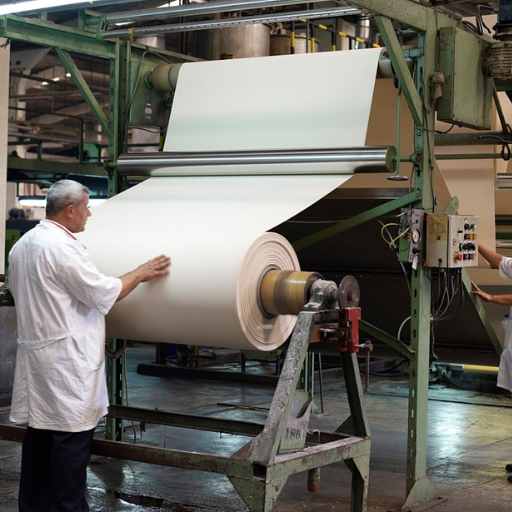
Dewatering is a crucial stage in papermaking that determines the final quality and durability of the paper. Modern innovations have significantly improved this process.
Modern Dewatering Solutions
- Vacuum Dewatering Systems: Accelerate the removal of excess water while preserving fiber integrity and preventing secondary damage.
- Optimized Pressing: Higher pressure placed on sheets in the press optimizes moisture extraction, reducing drying time without affecting sheet uniformity.
- Moisture Sensors: Provide real-time monitoring with precise data during dewatering, allowing instantaneous adjustments as needed.
- Water Recycling: Integrated sustainability methods that recycle water to limit waste and reduce environmental impact.
By combining traditional techniques with modern innovations, papermaking can achieve optimal results for both productivity and eco-friendliness.
Tips for Storing and Using Your Handmade Paper
Storage Best Practices
- Store in a cool, dry place away from direct sunlight to prevent fading and curling.
- Use acid-free containers or sleeves to prevent damage over time and maintain paper quality.
- Keep sheets separated with tissue paper or glassine to prevent sticking or transfer of materials.
- Maintain stable humidity levels (around 50-60%) to prevent brittleness or excessive moisture absorption.
Creative Uses
Handmade paper excels in creating greeting cards, scrapbooking, and calligraphy. Increasingly, users are exploring ways to incorporate handmade paper in sustainable packaging, demonstrating its versatility and eco-friendliness. Proper storage and diverse applications not only guarantee the preservation of your handmade paper but also allow its irregular textures and unique charm to be showcased in various creative projects.
Creative Projects Using Handmade Paper
Making Greeting Cards and Stationery
Handmade paper adds a personal and authentic touch to greeting cards and stationery in a world dominated by mass production. Recent search data reveals increased interest in customizable and sustainable stationery, reflecting a shift toward more meaningful, eco-conscious communication.
Why Handmade Paper is Perfect for Stationery
| Versatility | The fibrous surface absorbs inks, paints, and even foiling beautifully, allowing for intricate designs and vibrant colors. |
| Customization | Works exceptionally well with stamps, stencils, and hand-drawn illustrations for elevated aesthetic appeal. |
| Eco-Friendly | Aligns with today’s trend toward sustainable gifting and environmentally conscious communication. |
| Uniqueness | Each sheet carries its own character and texture, making every card or stationery piece one-of-a-kind. |
Using Handmade Paper in Art Projects
Handmade paper opens up a complete spectrum of possibilities for art enthusiasts and professional artists alike. Today, handmade paper bridges traditional and modern art forms when combined with contemporary artistic processes and tools such as laser-cutting or digital printing.
Popular Artistic Applications
- Textured Backgrounds: Creates unique foundations for mixed media artwork with organic, dimensional qualities.
- Bookbinding: Ideal for handcrafted journals, art books, and limited edition publications.
- Custom Wedding Invitations: Adds a rustic, elegant touch that sets the tone for special occasions.
- Gallery Artwork: The natural aesthetic provides individual charm suitable for fine art galleries and personal collections.
- Printmaking: Excellent substrate for letterpress, screen printing, and relief printing techniques.
📈 Market Trend: Searches for “creative ways to use handmade paper” and “sustainable art materials” have increased sharply, signaling growing awareness and consciousness toward eco-friendly art practices. Handmade paper’s ever-expanding presence continues to inspire creativity across diverse artistic disciplines.
Creative Recycling for Paper Scraps
Recycling paper scraps not only reduces waste but also fuels creative processes for various innovative projects. Search trends reveal rising interest in eco-craft ideas, pointing to a wide array of possibilities for repurposing discarded paper.
♻️ New Handmade Paper
Mix shredded paper scraps in water to create fresh handmade paper useful for custom stationery or artwork—the ultimate recycling loop.
🌱 Biodegradable Seed Paper
Embed seeds in pulped paper to create plantable objects that nourish the earth—a sustainable alternative with environmental impact.
🎨 Decorative Home Items
Fashion paper scraps into papier-mâché bowls, picture frames, wall decorations, or sculptural art pieces with unique character.
These projects exemplify how the creativity-sustainability matrix can transform the way we view and utilize waste materials, turning discards into treasures.
Frequently Asked Questions
Reference Sources
- “Handmade paper: a review of its history, craft, and science”
This paper explores the history, craftsmanship, and scientific aspects of handmade paper, providing insights into traditional techniques and their evolution.
Read more on NCSU Repository → - “A sustainable journey of handmade paper from past to present: A review”
This review discusses the historical development and sustainable practices in handmade paper manufacturing, offering a comprehensive overview of its journey.
Read more on Biblioteka Nauki → - “A novel approach: Handmade papermaking”
This study highlights the heritage and innovative methods in handmade papermaking, emphasizing its cultural and economic significance.
Read more on Academia.edu → - Leading paper making machine Manufacturers in China