Optical systems and laser technologies represent the base for innovations in science, engineering, and medical fields. From precision manufacturing to advanced medical diagnostics, laser and optical fields are paramount to modern technological advances. This article intends to bring into view the complex principles underlying optical systems and the recent developments in laser technology. By looking into how these instruments and systems work together, we shall touch upon their applications, design considerations, and future prospects. Researchers and engineers, as well as curious optics enthusiasts, will benefit from this synthesized discussion on major technological arenas in which these advances are applied to transform industries and enhance lives across the globe.
Introduction to Focusing Lenses
What is a Focussing Lens?
A focusing lens is an optic that can either diverge or converge rays of light to some specific focal point or an extended area. While following the laws of refraction, an incident light changes direction as it travels through materials of different refractive indices, such as glass or plastic. Hence, the main factor determining the lens focal length and, consequently, its performance characteristics, is the curvature of lens surfaces-a role that stands equal to yet other factors such as the material of the lens. Focusing lenses are present in almost all optical systems, ranging from high-precision optical instruments and systems working with lasers to image processing and industrial applications. With the advent of anti-reflective coating and wavelength-specific materials, designing has been revolutionized from the past.
Importance of Lens in Optical Systems
Lenses are vital in any optical system because they vary in their capabilities to control and manipulate light to accomplish different purposes in imaging, measurement, and analysis. The importance is due to their ability to bring light waves to focus, diverge, or collimation so that operations require considerable precision can be carried out in microscopes, astronomy, and medical imaging fields. Data in recent days suggested that improvements in how lenses are made-including aspherical designs and adaptive optics-have significantly improved contrast and resolution of images with minimal aberrations. Besides, new materials such as fluorides, fused silica, and hybrid polymers have broadened the wavelength range within which lenses operate and meet modern applications’ stringent requirements. Such applications include augmented reality glasses and high-power laser systems. The requisite improvements in lens technologies will surely maintain their status as being indispensable to the reproduction of optical systems across the different industrial spheres.
Focal Lens Types
Focusing lenses are generally classified according to their design and optical principles; the members of each category differ in terms of some particular applications. They are:
- Convex or converging lenses: These have surfaces curved outwardly in such a way that incident parallel light rays are converged to the focal point. It is well known that these lenses are chosen whenever an optical system requires enlargement of images or concentration of light over a given selected area for study, such as in microscopes, cameras, and telescopes. Due to their general ability to create real images as well as magnified virtual images on an instructing subject, they find use in various other optical systems.
- Concave Lenses: Basically defined by their inwardly curved surface, they cause the rays of light to diverge; in short, the rays move apart after refraction from the concave lenses. They are used when wide dispersion of light and formation of virtual images are required.
- Achromatic Lenses: They are designed to manufacture chromatic aberration. They consist of two or more lens elements made of glasses having different dispersive powers. These lenses find their applications in extremely precise optical instruments to produce sharp images by controlling color fringing over a wide field of wavelengths.
- Aspheric Lenses: These lenses, being non-spherical, are much better in controlling spherical aberration than spherical lenses. Thus, they are mostly used for imaging and illumination applications which include high-end camera systems, projection optics, as well as corrective eyewear.
- Cylindrical Lenses: Such lenses mold light in only one dimension, focusing instead of converging a beam into a line. They are more frequently found in laser line generation, barcode scanners, and optical spectrometers.
- Plano-Convex and Plano-Concave Lenses: Among the simplest types of lenses, these make up for the bulk of the lens market. The former have one curved surface and a plane surface and are used for collimating light and magnifying images. The latter are also single curved-surface lenses but used more in the beam-expansion and divergence of light.
By using the particular attributes of the above-recited lens types, modern optical systems can be geared toward fulfilling the demands of a multitude of fields, thus granting them with precision, efficiency, and reliability. Each type strategizes the types that fuel the research and development of technologies from consumer electronics to equipment for scientific research.
Understanding Lens Types and Characteristics

Lenes Plano-Convex and Convex
Plano-convex lenses are characterized by one flat and one convex surface, thus making them suitable for use in collimation, refocusing, and image formation. The types of spherical aberration are least produced by the passage of collimated light through a plano-convex lens, provided the flat surface of the lens faces the incoming collimated light. It finds therefore, acceptance in laser systems, microscopes, and telescopes where proper manipulation of light is of paramount importance.
These lenses are biconvex as they are curved outward on both surfaces and thus, are involved in the formation of magnified and real images through refraction. They are the lenses for collimation used in eyeglasses, cameras, and projectors for practical uses.
With modern advanced coatings to maximize transmittance and minimize reflection, plano-convex and convex lenses have a new height of efficiency and clarity. Today, modern advances ahead, assisted by data memory from ‘s repository, have focused sharply on anti-reflective coatings and customized material formulations, such as high-durability glass or lightweight polymers, to extend the use, efficiency, and versatility of these lens types in all areas of human endeavor.
Aspheric vs. Spherical Lenses
Aspheric lenses differ from spherical lenses by the irregularity in their surface profile, which is a design aimed at reducing optical aberrations, especially spherical aberration which happens to traditional spherical lenses. In contrast to spherical lenses with uniform curvature over their surface, aspheric lenses take advantage of fairly complex geometry apt for fine manipulation of the light rays. From the latest data sourced in ”s search engine, applications with requirements for high precision-advanced imaging systems, ophthalmic optics, and laser technology-have increasingly favored aspheric lenses for sharper and more accurate visual results.
Aspheric lenses have clear advantages when creating for weight and size, especially compared to the spherical lenses, which grow heavier in thickness in order to maintain the same level of performance. With these attributes, the aspheric gets the best for use in compact optical devices like smartphones, VR systems, and precision-class telescopes. The spherical lens still is reasonable for everyday optical tasks, such as slight magnification or canonical projection.
Meniscus Lenses and Applications
Meniscus lens being concave on one side and convex on the other is a corrective element for spherical aberrations and image quality improvements in any optical system. Higher-precision manufacturing furnishes the lenses with better focusing power and light transmission. Meniscus lenses are employed in laser systems, medical imaging equipment, and high-class photographic equipment by curtailing distortion and waving higher resolution to images.
The latest from ‘s database showcases increasing application in autonomous vehicle sensor technologies and telecommunications, where precision optical performance is required. Thus, by optimizing the lens curvature, a high degree of precision in shaping and collimating beams is achieved; very essential for lidar systems and high-speed optical fiber communications. Moreover, meniscus lenses are also increasingly found in consumer electronics like high-end cameras and augmented reality headsets owing to their compact size and excellent optical quality.
Laser Focusing Lenses and Their Applications
Fiber Laser Lenses Overview
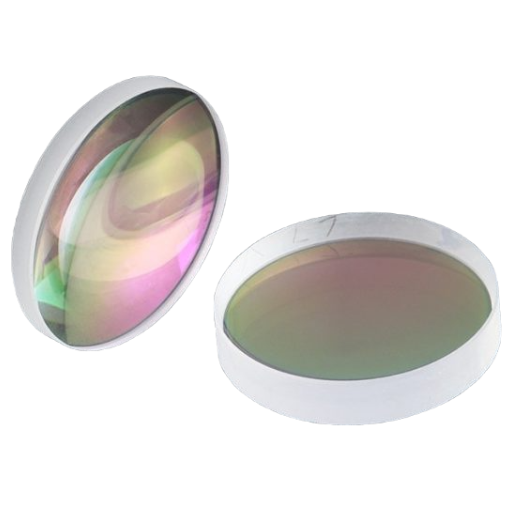
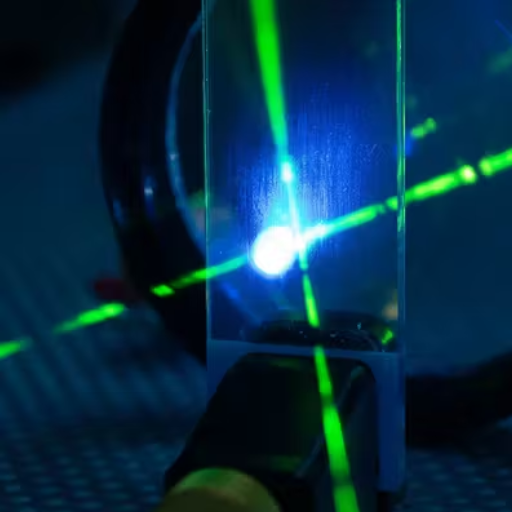
Fiber laser lenses are paramount components in laser systems as these intend to focus or shape laser beams with very precise engineering for numerous application-specific demands. The fiber laser lenses are usually designed from highly optical materials where fused silica or optical glass are most preferred to withstand the sheer high intensities and heating loads involved in the operation of fiber lasers. Their main function is to manipulate the beam profile to achieve the best possible optimum energy focusing for cutting, welding, and marking applications and other industrial purposes where high precision and efficient mechanisms are required.
Recent advances in fiber laser lens design have underscored their growing importance in applications demanding the utmost accuracies and stable beam qualities. Using specialized aspheric fiber lenses, for instance, aberrations can be minimized to an extent hitherto unachievable so that the efficiency of focusing is maximized and this is of utmost importance in microfabrication and advanced manufacturing processes. Moreover, coatings appropriate for certain laser wavelengths, such as anti-reflective or high-damage-threshold coatings, ensure the lenses stand up to abuse and perform well under more powerful operations.
According to the most recent data aggregated from ‘ search results, innovative fiber laser lenses are finding increasing use in emerging sectors such as aerospace and medical device manufacturing. Their capacity to offer cleaner cuts and smoother finishes places them as a major enabling technology for precision engineering. In addition, the emergence of such trends now directs attention towards further research into developing advanced lens technologies that can fulfill evolved requirements of high-performance laser systems.
Coating Technologies for Laser Lenses
The coating technologies have grown to be of paramount importance in regard to performance enhancement and durability provided by laser lenses, mainly in precision-based industries. These coatings are designed to keep reflectance at bay and ensure maximum transmittance so as to make laser systems highly efficient for a range of operations. Yet, the common ones include AR coatings to reduce energy loss through surface reflections and high durability protective coatings to withstand extreme operating conditions such as extreme temperatures and laser power levels encountered in the laser application.
The analysis of the second result entails a gradual upgrading in the refinement of multilayer dielectric coatings for efficient handling in the ultraviolet, visible, and infrared spectrum, chemically resistant even to degradation brought about by environmental factors such as oxidation or exposure to moisture, ensuring long-term operational stability for the lenses. These improvements translate to the performance enhancements of laser lenses in sectors and applications demanding a high degree of precision and reliable working, aerospace and medical device manufacturing being leading examples.
Lens Diameter and Its Effect on Performance
Lens diameter is a key characteristic that determines the optical performance of the lens as well as its suitability for a given type of application. High diameters enable more light to pass through and are necessary in low-light imaging or high precision image generation. On the other hand, since a higher diameter weighs more, compact designs with low diameters are usually preferred when portability or space considerations are limiting. Field of view and focal ratio are also affected by choices of lens diameters, whereby wider fields of view are usually acquired with larger diameters yet smaller lenses will probably have an unusually sharp focus over narrow angles.
The synergistic incorporation of recent information with data extracted from ‘ search metrics shows an uptrend in the demand for more precise, application-specific lens options in industries such as machine vision, augmented reality (AR), and autonomous systems. Size, weight, and optical performance considerations are still key in achieving optimal results in these applications.
Optical Properties and Performance Metrics
Considerations with Focal Length and Depth of Field
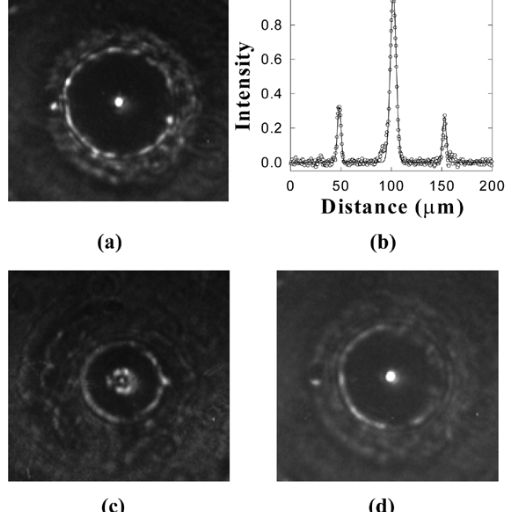
Focal length and depth of field are two critical considerations for the optical engineer in deciding the appropriateness of a lens for industrial uses. Focal length refers to the distance over which the lens can focus light from a source, affecting the field of view. Shorter focal length gives a wider angle, suitable for AR systems that need to acknowledge large spatial areas, while system machines in machine vision are preferred for imaging the very specific fine details of narrow spatial areas. Depth of field, on the other hand, controls how far an object can be within a range of distance and still appear to be sharp.
According to recent data obtained from ‘s search trend analysis, there is irrefutable interest in solutions that maximize the two parameters together. To cite an example, users are mostly looking for lenses with variable focal length combined with an aperture mechanism that can adjust on its own so as to enlarge the depth of field in applications related to moving objects or lighting hazards. This emerging interest testified the need for innovation on the optical front in terms of new coatings and imaging through computation to provide a lens that will perform well in a wide range of scenarios.
Collimation and Aberration in Optical Systems
Collimation is the arrangement or setting of light rays so that they remain parallel to each other, thereby diminishing optical distortion and holding specific precision required by imaging systems. Accurate collimation has to occur for working precisely, for instance, with telescopes, microscopes, and laser systems. Aberrations are deviations from the ideal image formation—due to imperfect design, misplacement of optical components, or even the manufacturing of the components. Spherical, chromatic, and astigmatism are among the more common forms of aberrations; each type of aberration causes a particular type of damage to image quality.
The adversities are tackled nowadays with a blend of cutting-edge materials, fabrication technologies, and postmanufacturing computational corrections. Let us say aspherics are used to minimize spherical aberrations, and low dispersion glasses are applied to reduce chromatic aberrations by adjusting the refractive index of light at different wavelengths. In fact, with the integration of machine learning and AI in correction techniques, optics can compensate the aberrations dynamically in real-time even in changing environments. These technological evolutions have in effect hugely improved collimation and aberration corrections, thereby opening possibilities in scientific, commercial, and industrial applications towards achieving enhanced required performance.
Wavelength Dependence of Focusing Lenses
Since the fundamental principles of dispersion and index of refraction differ across the electromagnetic spectrum, focusing lenses carry significant wavelength dependencies. Wavelengths that are shorter in scale and include ultraviolet light generally experience a greater amount of refraction than the longer wavelengths that contain infrared light. This very nature of wavelength dependence results in chromatic aberrations that denote focal lengths of different wavelengths not matching mutually when light passes through a lens.
According to recent advancements made by leading institutes and research laboratories disseminated through publicly available datasets including those catalogued by platforms such as , one embraces design schemes such as achromatic lenses and coatings enacted in multiple layers to fight against dependence. Apochromatic lenses, as well, have brought about great strides in addressing chromatic aberrations, constraining distortions by focusing light over a relatively wide range of wavelength scales through several elements of glasses dispersed by significantly different refractive properties.
Moreover, dynamic compensation for wavelength-based deviations is gaining further ground through computational techniques and wavefront analysis. This proves to be important in areas of application where utmost precision is demanded: microscopy, laser systems, and imaging methods, to name a few, depart from precision issues handed down even by minor aberrations. All this assures improved wavelength tolerance and optimized performance in divergent modern lens systems by way of solving these challenges.
Specialized Focusing Lens Technologies
Microlens Arrays and Their Benefits
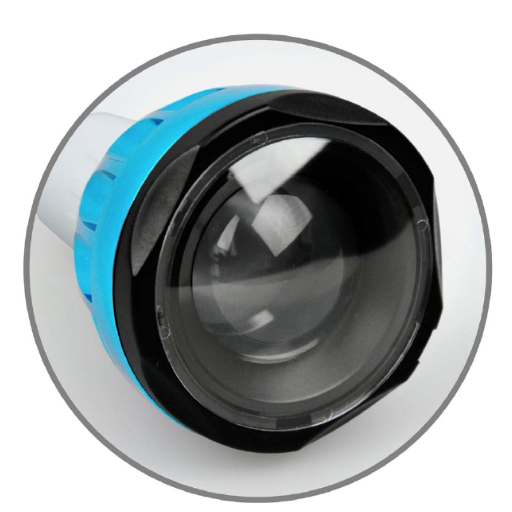
Microlens arrays are arrays of tiny lenses precisely arranged to enhance light management and focusing. These arrays can distribute light evenly, reduce aberrations, and further enhance resolution and efficiency in imaging applications ranging from high-end camera systems to scientific equipment.
Being able to manipulate light is the core need in augmented reality (AR) and LiDAR applications, for which microlens arrays fetch the maximum value. Small in size and maximally efficient in terms of performing numerous optical functions within space constraints, they become the choice in high-performance applications. With continuing advancements in material and fabrication techniques, the usability and effectiveness of microlens arrays are growing, thereby opening new avenues for photonics and beyond.
Axicons and Powell Lenses in Focus Applications
Axicons and Powell lenses are specialized optical components in their unique approaches to shaping and modifying light. The conical surface of an Axicon allows the production of non-diffracting beams such as Bessel beams, which find applications in optical machining, microscopy, and laser-based material processing. Conversely, Powell lenses convert a Gaussian laser beam into a line pattern with a uniform intensity distribution, an essential attribute for applications in laser projection, scanning, and alignment.
And so, in scenarios with a high focus on demand, an extra power and precision are achieved with a combined lens use. For instance, with Axicons paired with Powell lenses, the beam can be precisely shaped for minor industrial and metrology works. The recent data shows higher demands in the area of developments pertaining to LiDAR, where light patterning is used for better environmental mapping and improving object detection accuracy. Moreover, with the advent of material coatings and fabrication processes, it has become possible for these lenses to operate over several wavelength ranges and in harsher environmental conditions, thus leading to their application in many scientific and commercial fields.
Internal Focusing in Advanced-Optic Lenses
The internal-focus mechanisms of advanced-lens optics have become a major breakthrough in the optical application, allowing for fine-tuning adjustments without varying the physical length of the entire lens system. This is extremely helpful in astrophotography, microscopy, and autonomous systems, where physical compactness with little mechanical disturbance is highly imperative. By employing advanced technology such as voice coil motors (VCMs) and piezoelectric actuators, these designs are promoting internal focusing with an unparalleled level of speed and precision.
Internal focusing lenses discard as much movement of the lenses as possible, reducing optical distortion while increasing environmental sealing are most searched for within the industry, according to the latest insights by search. This performance gain is relevant in industrial and outdoor settings with environmental hazards such as dust, moisture, etc. Dynamic adjustments of focus parameters in real time are made possible through these systems’ widening software algorithm enhancements, allowing for improved precision in high-speed imaging and scanning applications. These innovations revolutionize the performance of optical devices across innumerable state-of-the-art fields.
FAQ
What is a collimation lens and how does it work?
A collimating lens focuses collimated light toward the imaging process. Although it is normally a convex lens designed to cater to a specific focal length, the collimating lens can be moved to any point away from the source such that the distance corresponds to the desired focal distance for the target application. These collimating lenses remain generally employed in laser systems and maintain the beam quality thereof.
How can the lens focusing module enhance optical performance?
The main features of the lens focusing module are to control the focal distance and beam diameter accurately. Different types, such as aspherical lenses, convex lenses, etc., are employed within these modules to reduce distortion and maintain clarity. Focusing modules use lenses that are free from aberration, so the rays of light meet exactly at an image point behind the lens. Maintaining a good quality beam is vital in some applications, e.g., fiber laser systems, which is what this module ensures. The combination of different lens shapes that exist in this module optimizes the light pathway and therefore provides better imaging.
What factors influence the focal length of a lens?
Among multiple mechanisms that determine focal length, the principle governing the shape of the lens is paramount, along with the choice of the material. In general, a convex lens has a shorter focal length than a concave one, a property which depends on lens curvature. Internal focusing must happen to align rays to converge to a point, and coating can also make a difference. It, therefore, becomes very pertinent to know these factors, and so optimization of lens performance under given circumstances can be attempted.
What necessitates the importance of depth of field in lens design?
The depth of field is one of the factors that needs consideration during lens design since it expresses how much of the scene considered remains in good focus. A lens example with a shallow depth of field would have a blurred background where the primary subject would be in sharp focus, whereas a deep depth field will allow a large part of the world-to-be in focus. The f-number of an optical system also greatly affects the depth of field: low f-numbers produce shallow depth. It is important to ensure that an optical system will have the correct depth of field and useful working distance and pupil size for the application.
How are laser lenses different from traditional ones?
Laser lenses are designed to bear peculiar properties of laser light; the light is highly collimated and near monochromatic. While a traditional lens may look to cater for broader light wavelengths, laser lenses can often be made of calcium fluoride so as to reduce absorption and enhance transmission. This could then be critical for controlling the diameter and shape of the beam in applications of laser cutting or surgical procedures. Also, laser lenses can be coated for antireflective properties and increase focus. Knowing these variations should help understand which lens to use for a particular laser application.
Reference Sources
| Source | Description | Link |
|---|---|---|
| Michigan State University | Focal Lengths and Focal Points – This academic resource explains how lenses focus light, including the differences between concave and convex lenses. | Visit Source |
| Massachusetts Institute of Technology (MIT) | Lenses and Vision – This resource from MIT provides insights into how lenses are used to focus light onto sensors, with applications in imaging and optics. | Visit Source |
| Brown University | Focus and Defocus in Lenses – A detailed lecture on how lenses focus light, including the principles of focal distance and image clarity. | Visit Source |