Laser engravers are evolving, and at the forefront of this evolution is the MOPA laser engraver. It is the newest technology that aims to enhance the accuracy, speed, and near-universality of laser marking and engraving processes. Any industry that relies on mass production requires manufacturing, jewelry, and even the engraving of device parts to gain prominence and outpace the competition. The MOPA fiber laser technology has been in use for years; however, the recent advancement is the focus of this article, which seeks to discuss it in detail to demonstrate it as the killer technology for industries that need neat, fast, and durable markings. Further, the MOPA laser can extraterrestrially produce color stripes on stainless steel. Keep reading to learn more about how this incredible piece of equipment can change the way you think and do things in engraving and marking.
Introduction to MOPA Laser Technology
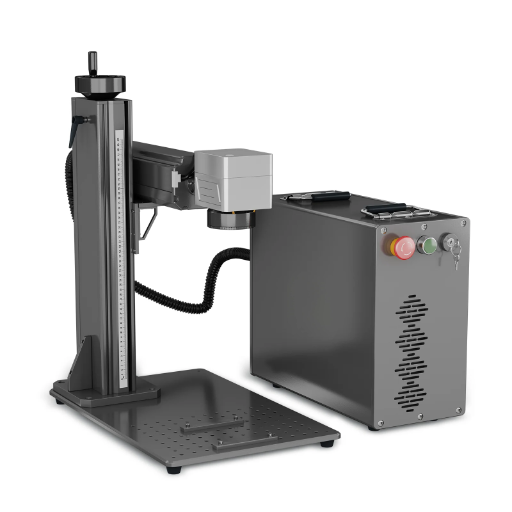
MOPA lasers find extended usage in precision machining and fine etching of materials owing to their unique characteristics. Equipped with Multiple Oscillator Power Amplifier framework, these instruments have variable pulse widths and are capable to deliver excellent quality and fine work on various surfaces such as metals, plastics and even gentle tissues. This also reduces the intensity of heat and hence becomes very convenient for use in situations where intricate detail work is required without causing any damage to the work material. Moreover, the mopa laser engraver is capable of performing colorful engraving on a stainless steel surface which makes it even more appealing as a modern tool for many industries.
What is a MOPA Laser?
Fundamentally, a fiber laser with an MOPA (master oscillator power amplifier) configuration consists of two basic elements: the master oscillator and the power amplifier. The master oscillator generates the primary laser beam with desired parameters, while the power amplifier increases the laser beam’s output energy so it can be processed further and more efficiently. A MOPA differs in that it can modulate pulse duration, frequency, and power with sufficient accuracy to serve a wide range of applications. Marking, engraving, and material processing have never been easier than with MOPA lasers, enabling precise, intricate fabrication across a range of materials, from metals to plastics to ceramics. Their versatility also allows them to engrave in full color on stainless steel for both functional and aesthetic purposes. Such advanced technology has become the most preferred option, especially in industries that seek accuracy and versatility.
Advantages of MOPA Fiber Lasers
⚡ Precise yet efficient
Thanks to their high performance, MOPA fiber lasers can create incredibly intricate engravings, thereby supporting designs that demand the highest possible specifications.
🎯 Controllable duration
For more precise laser marking across different surface types, this function offers a significant advantage.
🔧 Multiple Range
During operation, both metals and plastics or ceramics can be processed and therefore these devices are suitable for use in many fields.
🎨 Coloring Stainless Steel
The use of a MOPA fiber laser allows the user to enhance its decorative functions by engraving various bright colors on a desired surface of a stainless steel object.
❄️ Minimal Heat Impact
Due to hardening reduction, MOPA laser dessease zoneonization cause precise markings, without affecting fragile materials.
Comparison with Traditional Fiber Lasers
MOPA lasers differ from traditional fiber lasers in pulse flexibility, marking capabilities, color engraving potential, and heat impact on materials.
This table concisely highlights the differences, offering a clear comparison for informed decision-making.
Unique Features of MOPA Fiber Laser Engravers
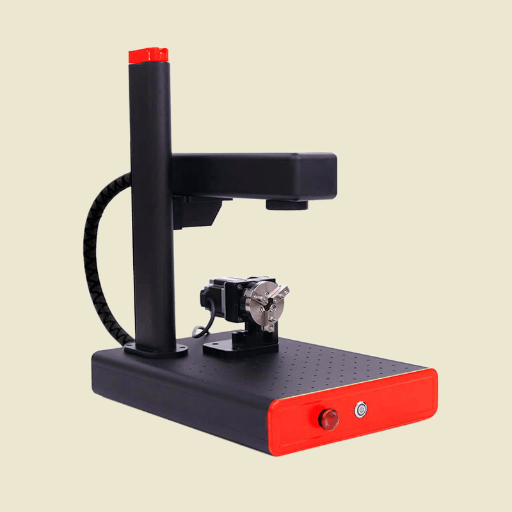
⚙️ Key Features Overview
- Flexible Pulse Width: Because MOPA fiber lasers allow pulse-width adjustment, they enable fine-tuning to match different materials and applications.
- High-contrast marking: Laser marking on metal or plastic surfaces produces clear, high-contrast marks that are very professional.
- Color Marking: The mopa laser engraver can mark stainless steel and other materials in an array of colors, expanding users’ artistic possibilities.
- Lower Thermo Working: There is minimal thermal effect on these weak materials, so there is no warping or deformation of the structures.
- Broader Range of Determinants: Useful for working with most surfaces such as metals, plastics, and coating, their applicability cuts across varied fields.
Pulse Frequency and Width Adjustability
One of the main shortcomings of most available MOPA lasers is the lack of adjustability for pulse width and frequency. It is tough to utilize such systems with joined criteria. This is possible due to high accuracy, achieved through fine-tuning of laser beam parameters. This implies excellent control of energy dispersion within the machine; hence, the requirements for such machines are very stringent, including precision in engraving, marking, or cutting. Pulse frequency, for example, is beneficial for machining since, where required, increasing the beam length using high repetition rates rather than more power is more effective. On the other hand, controlling pulse width modifies the time the laser is on, which consequently affects the layer height and the sharpness of ridges, among other heat effects.
A growing number of businesses are now seeking laser systems capable of producing tunable pulses, mainly because they have countless and varied applications. For instance, in the electronics and medical industries, shorter pulse durations are essential because they create delicate structures that have a minor influence on heat generation. Conversely, metals used in the automotive or aerospace sectors that require exact, durable marking work much better with higher pulse coefficients. This versatility not only enhances productivity but also broadens the range of applications for MOPA lasers, making them highly useful in today’s industrial processes.
Color Marking Capabilities
Another of the most beneficial offerings of the mopa laser engraver is its ability to mark colors on stainless steel and other metals. Numerous colors can be formed using these machines by controlling the lasing parameters, particularly, i.e. pulse duration and frequency. The mechanism in this case is usually termed as localized or controlled oxidation of the surface of a given metallic substance to achieve the color and does not require any other chemical or dye for that purpose as well. Therefore, MOPA fibers are most suitable in enhancing decoration, marketing and personalizing products without compromising durability and performance, which is very high.
Field Lens Options for Enhanced Precision
Selecting field lenses for the MOPA fiber laser engraver is essential to enhance accuracy and versatility. The construction of such lenses allows them to focus the laser beam within a designated work space, thereby providing uniformity in the engraving of different surfaces. Depending on the project, where the engraving details or marking dimensions are essential, the appropriate field lens can be selected for the best possible engraving.
The progress in the development of field lenses proves that managing the length of focus and the uniformity of the beam has now been simplified. As a result, it is easy to achieve finer, more accurate engraving, especially for complicated patterns on small-scale articles. Modern lens technology incorporates anti-reflective coatings and effective heat management to enable more extended operational periods while maintaining the desired accuracy. The selection of different lenses makes the MOPA laser engraver a multi-purpose tool, as it can be used on a range of scales from larger industrial projects to smaller, appealing artistic ones. All these advantages explain why MOPA fiber laser engraving remains the first port of call when precision is required.
Diverse Applications of MOPA Laser Engravers
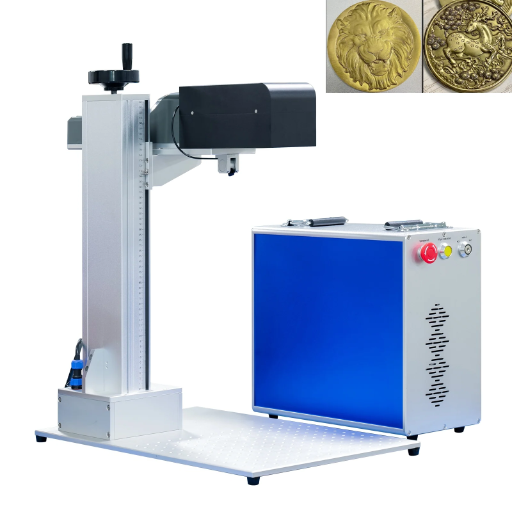
🎯 Industry Applications
📱 Electronics marking:
All electronic components to be marked can be efficiently done so by the mopa laser engraver. High-quality, durable markings can be achieved for identification and traceability.
⚕️ Medical Equipment:
In medical practice, such lasers effectively and hygienically inscribe serial numbers, logos, and calibration information on surgical instruments and other medical devices.
💍 Jewellery Engraving:
With mopa lasers, very keen designs are achieved in that one possesses the ability to engrave messages, designs, or pictures on rings, necklaces or any other jewelry.
🚗 Automotive industry:
They use them to identify fabric numbers and logos, or to trim the engine, dashboard, and other parts, without risking appearance distortion.
🎁 Customized Gifts:
Perfect for producing simple and engravings on articles such as mementos, awards, or policies, there is a special reason to be employed on most occasions.
Electronics Industry
A mopa laser engraver is often used in electronics manufacturing, particularly for marking small, fragile components. They are handy for marking circuit boards, integrated circuits, and components such as connectors, thanks to their precision and the small work area they create that does not damage the component. This is important because items can be identified and traced in case of an issue, which is essential in sectors that enforce these requirements. In addition, MOPA lasers are very effective at marking other typical electronic materials, such as plastic and metal, with clear, conspicuous markings.
Medical Device Marking
MOPA laser engravers are highly efficient for marking medical devices, thanks to their high throughput and multi-functionality. They can provide permanent and corrosion-free marks on high-value devices such as surgical instruments, implants and diagnostic equipment. They can create excellent, clear markings, such as bar codes or serial numbers, as well as cafeteria logos, that meet strict regulatory requirements, such as the FDA’s UDI (Unique Device Identification) requirements. In addition, MOPA lasers can operate on a wide range of materials, from metals such as stainless steel or titanium to plastics, which are widely used in most, if not all, medical devices, without sacrificing component performance.
Jewelry and Custom Engraving
The advent of MOPA laser engravers is considered a breakthrough in the jewelry and custom engraving sector. They offer unmatched accuracy and the diversity that the latter requires. These types of lasers can produce very complex patterns, typography, and intricate images on a wide range of materials, including gold, silver, platinum, stainless steel, and non-metals such as leather and acrylic. And whenever it is desirable, MOPA lasers can be used for specific concentrating applications thanks to their different pulse width which reaches the opposite ends of the range- from very deep, dark-marked engravings in most cases to very soft and light surface engravings- this makes it possible for the jeweler to cope with the demands of his or her numerous customers.
Day after day, people’s desires for more tailor-made and individualized items, such as specially engraved rings, necklaces, and bracelets, for events such as weddings, anniversaries, and/or birthdays, are on the rise. In such a specialization, MOPA laser engravers shine, producing clean, sharp engravings without interfering with surrounding surfaces, ensuring a perfect finish at all times. In addition, they are fast and well-suited for work such as bulk orders and complex artwork in small quantities – tailored engraving and high-end services are in demand. This is why MOPA laser engravers have become imperative for today’s jewelers and engraving firms, thanks to their combination of accuracy, adaptability, and reliability.
Comparing MOPA Laser Engravers with Other Engraving Machines
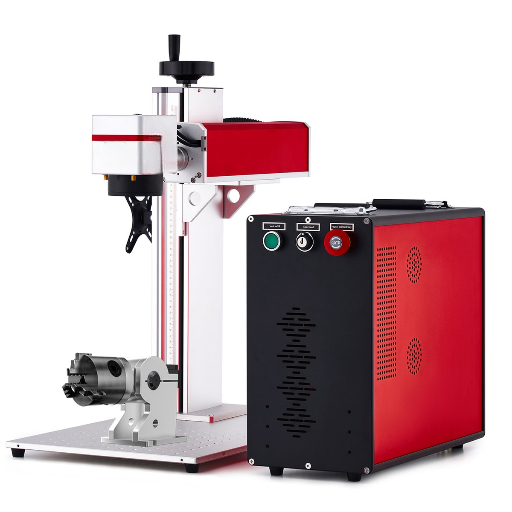
MOPA laser engravers are compared to fiber lasers, CO2 lasers, and diode lasers in terms of precision, material compatibility, speed, and cost-efficiency.
MOPA vs. Fiber Laser Engravers
MOPA and Fiber laser engravers differ in precision, versatility, speed, durability, costs, marking depth, application range, and maintenance needs.
MOPA vs. CO2 Laser Engravers
MOPA and CO2 laser engravers differ in material compatibility, engraving speed, precision, costs, marking depth, application range, and maintenance requirements.
Advantages of MOPA in Various Materials
- Engraving and Marking of Metals With MOPA Laser Engravers: An Overview Of Their Principles & Techniques. A MOPA laser engraver can define metals with greater precision, such as for masterpiece designs.
- Changes of Pulse Durations: Changes in Marcus’ Model of Person Engagements (MPO) use pulse durations and allow the model to change the encompassing picture more effectively for each type of engraving.
- Compatibility with Multiple Materials: MOPA lasers are compatible with a wide variety of materials, including metals, plastics, and lightweight ceramics.
- High Mark Making Quality: Their running ability in terms of encapsulation is higher than excitation, making tissues such as bacteria or agreeable skin marking.
- Does not Extend Heated Areas: There is a lesser zone of influence on Heated areas in the mopa laser engraver; therefore, there is also little danger of damaging the material, even if it is brittle.
Maintenance Tips for Longevity and Optimal Performance
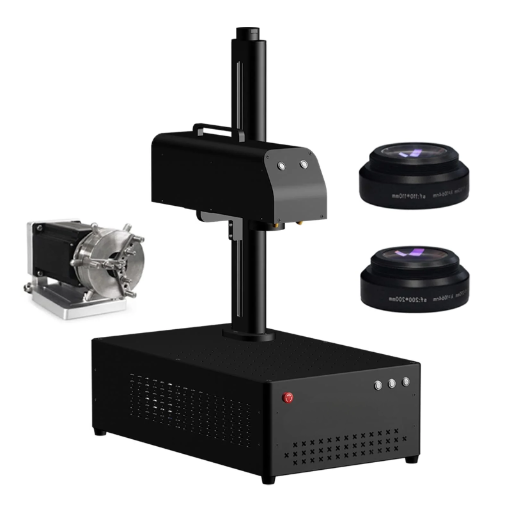
🔧 Essential Maintenance Checklist
✓ Inspect Connections
Examine electrical mechanical connections for any possibility of wear and tear or loosening to prevent any unplanned downtime.
✓ Use Recommended Materials
Avoid laser engraving with prohibited materials to prevent system damage and ensure effective workplace operations.
✓ Check Cooling Systems
Regularly check and service the cooling system to ensure that it does not overheat as it might affect the internal hardware of the engraver.
✓ Upgrade Software
Make sure that the software and firmware for the laser engraver are updated so that their full potential can be unlocked and integrate additional features.
✓ Observe Duty Cycles
Do not use the laser for long periods without breaks, especially beyond the prescribed duty cycles, to avoid wear and tear and overheating.
✓ Scheduled Calibration
The laser beam and positioning must be realigned periodically to maintain accurate markings.
✓ Regular Cleaning
Dust or debris accumulation hinders performance and output quality; to prevent this, clean the laser lenses, mirrors, and the working surface regularly.
Regular Cleaning and Calibration
To ensure my mopa laser engraver is in good working order, I have it cleaned and calibrated regularly. The lens and mirrors are cleaned thoroughly with clean wipes only, without any abrasive cleaners, to preserve beam quality and the protective coatings on the optics. I clean or replace the air filter as required to promote good airflow and adequate cooling of the system. Calibration is performed regularly because operational accuracy is paramount. When fine engraving is needed such rectification in the laser is required. These measures, explicitly aimed at promoting manufacturers’ recommendations and the purpose of use, help me prolong the use of the laser engraving machine, maintain operational efficiency, and increase performance.
Monitoring Pulse Frequency Settings
It is essential to monitor the pulse frequency settings on the mopa laser engraver to achieve optimal results. The pulse frequency indicates how often the laser releases energy, which affects the smoothness and quality of the engraving on the given surface. When frequencies are low, more energy is transferred per pulse, which is useful, for example, when the engraving should be deep or fully visible. On the other hand, at higher frequencies, the spaces that contain the deposited energy become smaller, making it best for soft surfaces or those that are heat-sensitive. These settings must be adjusted according to the material in use, the desired effect, and the manufacturer’s instructions, if provided. This proactive measure keeps the machine running as it should and safeguards against anomalies such as overheating or bad markings.
Best Practices for Machine Storage
It is crucial to properly store MOPA laser engravers to preserve their efficiency and service life. Avoid placing the machine in areas with excessive dust or humidity, as this can harm the components inside. Therefore, the machine must also be kept within the manufacturer’s specified temperature limits, usually 15 degrees Celsius to 30 degrees Celsius (59 Fahrenheit to 86 Fahrenheit), to prevent thermal shock.
Engraving tools should be stored and covered with dustproof bags when not in use, keeping them free of dirt. All cables and connections should be arranged appropriately and inspected for damage without fail. If the equipment will be set aside for a long time, it is advisable to unplug it and ensure the key components of the mopa laser engraver, such as lenses, winches, and mirrors, are safe and properly shielded.
Do not forget to check the storage area from time to time to ensure there are no moisture issues or pest infestations, and take appropriate steps to prevent them. If you do so, the mopa laser engraver will be fully intact and always ready when the time comes to use it. At all times, when storing the machine, the user instructions must be adhered to, as some models have unique storage requirements.
Reference Sources
-
Review Paper on Automatic Engraver
This paper discusses the development and applications of laser engravers, including MOPA fiber laser systems.
Read the paper here -
Ytterbium-doped Fiber-seeded Thin-disk Master Oscillator Power Amplifier Laser System
This academic work explores the MOPA architecture and its applications in laser systems.
Access the study here -
Ultrafast Laser Material Processing for Photonic Applications
This research focuses on advanced laser techniques, including MOPA systems, for material processing.
View the research here - Top CNC Laser Marking Machine Manufacturer and Supplier in China