Bracelet making appeals to both professionals and hobbyists, who are drawn to the beauty of jewelry design and to the ability to create something entirely personal. For efficient execution of work, precision is very important for everyone involved in the game, especially in the bracelet making process. This is the reason why bracelet making machines come to the rescue of the bracelet making art. The following detailed analysis focuses on the professional bracelet making machine. The latest equipment is reviewed, as well as their characteristics, and how they bring about a radical improvement in the way you work. So whether you are an expert wanting to optimize production or a very passionate novice yearning to grow, this guide presents the ways in which you will be able to try your hand at the best bracelet making machine picked for you.
Understanding Bracelet Making Machines
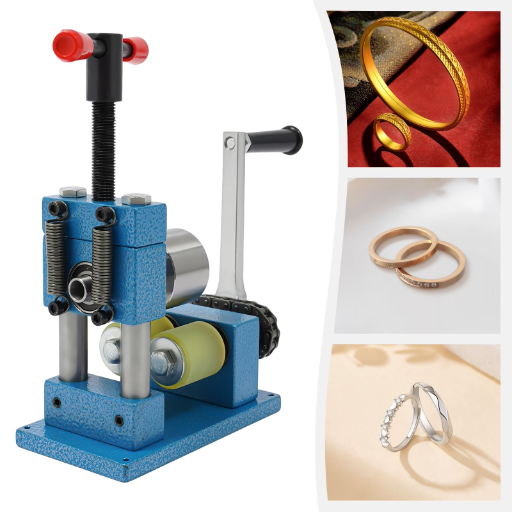
A bracelet making machine is a device intended to facilitate the making of bracelets with ease and consistency. There are different kinds of these, varying from the simple manual systems to the very sophisticated automatic ones depending on the concerns of the production scale and the complication. Beginners or occasional use only need a manual machine for small projects and maintain accuracy through manual work. Professionals, on the other hand, can use an automatic one to make the bracelets much more quickly and complicated patterns can be completed effortlessly. Durable free-turning features will be required when all these metals like beads and necklaces along with all the other components are used. The final selection of the appropriate machine depends on what you want to do, how much you have and bracelets that you wish to craft.
Definition and Purpose of a Bracelet Making Machine
The bracelet making machine helps in easing the process that involves making bracelets by anyone who loves such activity or those who make them professionally. It is designed to make the craft of making bracelets easier by taking away the drudgery in the craftsmanship, making it efficient and perfect, and most importantly, able to give out patterns maybe difficult to such tasks. They are usually categorized in accordance with the type of result they are expected to give, with some being simple and afford the user creative freedom, while others are entirely automated and can create intricate designs within a very short time. Recent studies show that more and more people are looking up reliable and simple to use machines. In particular, those that can be used with different varieties of material like leather, beads or similar metals. They find wide application because of their efficiency to produce on a large scale faster than people and because of the ease of producing elaborate jewelry following their design.
Differences Between Professional and Hobbyist Equipment
The primary differences between professional and hobbyist bracelet-making machines lie in their precision, speed, durability, cost, and material compatibility.
| Key Point | Professional | Hobbyist |
|---|---|---|
| Precision | High accuracy | Moderate accuracy |
| Speed | Faster production | Slower speed |
| Durability | Long-lasting build | Lower durability |
| Cost | Higher upfront cost | Affordable pricing |
| Compatibility | Multi-material use | Limited materials |
Benefits of Using Automatic Bracelet Makers
- 01
Time Management — bracelet making machine effectively saves time because it allows creation of bracelets faster by simplifying the process.
- 02
Quality Control — This type of equipment produces reliable and accurate results ensuring minimal wastage of designs and defects.
- 03
Simplicity — Considering their easy to use functionalities and automations, they can be used even by those who have never encountered them before.
- 04
Dimensions — With some machineries, different materials and even designs can be used in the same machine without having to get a new one.
- 05
Reinforcement — Enhanced mode operates the bracelet making machine to increase the number of units manufactured by the small business, or the big project.
Types of Bracelet Making Machines
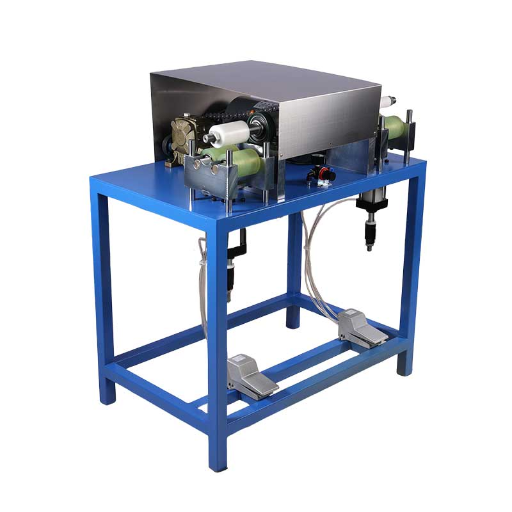
Overview of Different Models and Their Features
Every respectable bracelet making machine manufacturer provides a range of devices and solutions that will sufficiently fulfill their every customer’s desire regardless of whether they are a beginner or a professional production company. We have prepared the following list of such machines along with a description of their specifications.
Model 01
Beading Machines
The tools are made to help users in the production of beaded bracelets in a quick manner. They have a typical automated stringing mechanism whereby users can link beads in whatever dimension and form without much trouble. Advanced versions provide options such as variable speed controls for specific jobs and use of more than one stringing medium.
Model 02
CNC Machines for Bracelet Inscriptions
To help in personalized decoration of bracelets. This machine will allow the user to etch words or patterns and even logos in the bracelet material. They offer accurate precision as well as support a larger number of metals and materials, hence why they are liked for non-standard jewellery production.
Model 03
Machines with Cords on Elastics
Stretchy bracelet making machine aims at maintaining the stretch of the cycle while providing the best knotting or crimping of the elastic threads. Such devices are easy to operate and can be used by the ‘first-time-beginners’ up to practising bracelet makers.
Model 04
Wire Wrapping Machines
The wire coil machines are known to make decorations from wire. In such cases the machine allows exquisite manipulation of the wire; whether its bending, twisting or curving the wire, making it ideal for creation of complex wire designs or enclosing gemstones in a wire frame. Some units are small sized and quite portable due to their easy usage by the artisans of the jewelry benchtop work most of the times.
Model 05
Multi-Function Bracelet Makers
The machines can be the most ergonomic, providing services such as stringing, wrapping or engraving among others. Some of them also contain readymade templates of designs available, so that people can change the style by switching the designs without having to remove any machine. In terms of mass production, they are quite effective.
The development of these models continues to progress with the incorporation of cutting-edge innovations. In many cases, today’s bracelet making machines come with embedded features like touchscreen controls, capability to wirelessly connect and import a design from web, environmentally friendly energy efficient modes among other things. Based on the quantity of bracelets and the intricacy of the make required choosing the appropriate bracelet-making machine model boosts the experience.
Bead Spinner Machines: Functionality and Use Cases
A bead spinner machine is a modern approach and a convenience device for such a painstaking work as threading of decorative or functional beads onto strings or wires. In such machines, a bowl-shaped filled with beads is made to spin so that the beads are easily picked along the needle or the string placed in it. Such machines in general come handy for the items including, creation of delicate jewelry items, beaded garments or any decorative forms possible with beads. Due to their user-friendliness they are preferred much by craftsmen and small industrials who want to cut back on work hours and most importantly get that head strenuous job done right the first time.
Comparing Manual vs. Automatic Machines
Manual machines require more effort and time but offer greater control, whereas automatic machines provide speed, efficiency, and consistency but may have higher costs and less flexibility.
| Key Points | Manual | Automatic |
|---|---|---|
| Effort | High | Low |
| Time | More | Less |
| Control | Precise | Limited |
| Efficiency | Moderate | High |
| Consistency | Varied | Uniform |
| Cost | Low | High |
| Flexibility | High | Moderate |
Key Components of a Bracelet Making Machine
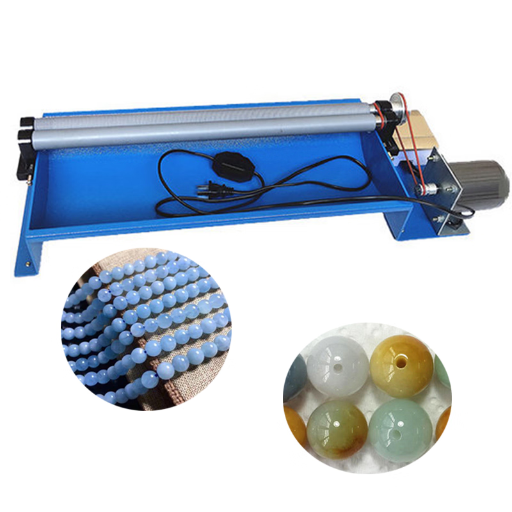
Essential Tools and Accessories
Beads and Threads
Overwhelmingly the most common bracelet making materials — these supplies come in numerous hues, measurements and types for different patterns.
Threading Needles
A form of thin needles often commonly made for easy and fine stringing of beads in the braid or thread.
Clasp and Lock Mechanisms
They complete its functionality because otherwise, the bracelet will stay hanging loose — an unprofessional look.
Design Templates
Templates that allow users to do any elaborate work without the need for much effort.
Cutting Tools
Typically scissors or clippers which can cut off ends of threads or wires to the required length.
Bead Organizers
Boxes or compartments that help in safeguarding or storing the beads and other accessories without the hustle of searching for them.
These tools and accessories are indispensable in bracelet making because they facilitate the process and ensure high quality work.
Understanding Beads and Materials Used
Whenever the design is of a whole lot of different beadwork and materials, then the bracelet making machine can work with various beads, quite well. Beads are chosen based on what the bracelet is going to look like in the end, if not from before. Beads that are commonly used in bead work include: Glass, resin, gemstone, acrylic beads etc. because each of these beads has their own aesthetic as well as tactile function. Like glass has a bright spectrum of colors and a smooth surface whereas natural gemstone’s beads are quite heavy and look good all the same.
Bracelet making materials that aside to this include elastic threads, nylon threads, and metallic wires among others. Elastic strings are preferable when it comes to stretch bracelets because of how easy they are to wear. On the other hand, robust nylon-stitching threads are useful for the more complicated weaving work since they are much stronger. Metallic wires are, however, great for those who are looking for geometric and timeless pieces due to their stiffness. Eco-friendly and sustainable materials such as recycled beads and fibers that decompose ensuring safe to the environment creativities, have emerged together with many other interesting trends in 2023. Proper utilization of beads and materials ensures durability and enhances the aesthetic appeal of the accessory to be made in the bracelet making machine.
Customization Options for Bracelet Designs
Whether it is about personalizing bracelet designs based on their own choice, the possibilities are infinite, encouraging people to bring out their style and personality. Among the popular options tailored through Google’s most recent search trends are personalized names and dates or maybe initials, all of which lend the effect of characteristics unique to the wearer and adorn the look. Charm bracelets still remain the big favorites, as wearers are able to pick and change charms on the basis of events, hobbies, or unforgettable moments. Coloration is also one major trend, with many people choosing to combine particular colors that resonate with their individual moods or favorite palettes.
What’s blowing up is Birthstone customization — the stylish way of personalizing bracelets by adding sentimentality with each inlay. Then we have the hunt for adjustable bracelets in response to versatility and personalization of fit. Another trend goes to customization sustainable populations prefer recycled materials of all kinds, stones, and bio thread and so on. The after-effect of combating the rise in DIY kits and online shop custom styling all works towards allowing people to conceive a really unique piece and follow it to support their own personal preferences and sustainable practices alike.
Popular Customization Trends
Charm Bracelets
Color Combinations
Birthstone Inlay
Adjustable Fit
Sustainable Materials
Techniques for Effective Bracelet Making
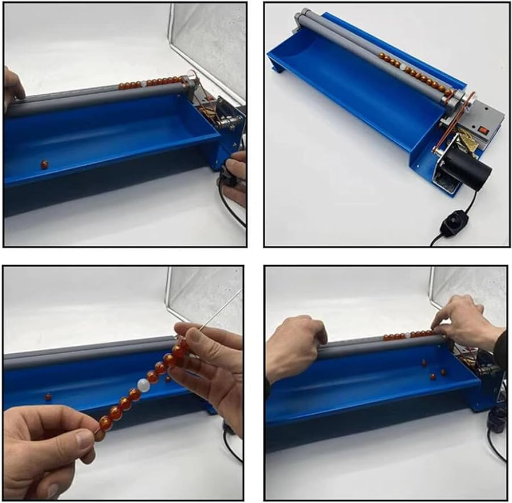
Techniques for Effective Bracelet Making
Step-by-Step Guide to Using a Bracelet Machine
Advanced Techniques for Jewelry Makers
🌀
Wire Wrapping
Make detailed designs by tying wire around gemstones, beads, or other jewelry components. It adds a handmade, tender touch to the jewelry.
🔨
Metal Stamping
Customize jewelry with one-of-a-kind writing or designs made using metal-stamping tools. It is good for the creation of unique and precious keepsakes.
🔥
Soldering
Create durable pieces using solder-joining metal components. It makes for a professional finish to the designs.
🧪
Resin Casting
Include little items by pouring resin over them or add a glossy finish to your jewelry. This technique is highly effective in creating very unique pendants and charms.
⛓
Chainmaille
Metal rings are woven together to create fascinating patterns and textures. The technique is so mutable that it works equally well in necklaces, bracelets, or earrings.
Common Mistakes and How to Avoid Them
Once these costly mistakes are resolved, they will guarantee smooth operation and fantastic results on your bracelet-making projects.
Maintenance and Care for Your Bracelet Making Machine

Routine Maintenance Tips
🧹 Maintain the Machine Cleanly
Wipe away the dust, scraps, and left-over materials on the sewing machine after every use with a soft brush.
💧 Apply a Lubricant on All Moving Components
As stated in the manual, the parts should be kept lubricated so that the machine operates efficiently and silently.
🔍 Examine the Parts
Consistently check for wear on all parts: belts, gears, and needles. Immediately replace any part that shows wear or damage to avoid any further problems.
🔩 Check All Loose Screws and Nuts
Take a look at the machine occasionally for any loose screws or bolts that may come undone. Tighten them to avoid slippage during sewing activities.
🏠 Safe and Sound
All in all, a clean and calm environment dealing properly with dust and humidity is the best place to put up a machine to live a long life and retain efficiency.
Troubleshooting Common Issues
| Issue | Problem | Solution |
|---|---|---|
| Machine Cannot Start | A disturbance in the power supply or loose connections. | Before going further with the problem, make sure that the machine is properly plugged in and that the power cord and outlet checks out. Replace the power cord if it is destroyed. |
| Threading Problem | Misalignment or disarray in threading. | Power off the machine, cut away all the threads, and re-thread according to the instruction manual with all attention made to ensure proper alignment and tension. |
| Odd Designs while Braceleting | The components are worn out or damaged, in particular, the gears or needles. | Inspect the machine to ascertain any signs of wear and damage there and then, to quickly replace them in order to ensure an appropriate operation. |
| Noise Too Loud | Loose screws and bolts or inadequate lubrication. | Tighten all screws and bolts in the machine, and apply lubrication to preferred working parts in the maintenance guide. |
| Material Slipping / Thread Misaligned | The feed mechanism has developed failure. | Even your feed mechanism could have accumulated dirt and caused distortion that terribly hinders the movement of materials. |
Appropriate maintenance and timely intervention can lead to a properly functional bracelet-making machine.
Extending the Lifespan of Your Machine
It is essential to regularly maintain your bracelet machine so that you can prolong its life. Once running, the machine should not be forced under any situation against the recommendations of the manufacturer; you risk latent damage to it. Matt will show signs of wear or clearly-defined wear issues such as frayed belts, observable wear or missing screws, and noisy grinding noise. The device needs to be kept clean, with maintenance required to clear all lint and dirt away from inside it as and when they build up. Lubricating moving parts is another thing that ought to be prioritized in the maintenance practice. Make sure to store the machine in a dry environment with controlled temperatures to prevent rusting or anything else. Quality or product machine problem will provide for less pressure on the system and hence increase the performance and life expectancy of the machine. Team workers should train diligently on how to properly handle the machinery to avoid accidents or damage that result due to operator error. Enacting such practices will result in high dependability as regards the machine’s ability to furnish quality bracelets for an extended period.
Frequently Asked Questions (FAQs)
Q: In a basic machine set, what supplies come with the loom, may I buy additional parts?
In any normal machine set, the essential loom or beading machine, spools, cords, beads or heishi, a fastener, and a basic wire work tool set will usually be inside. Users can purchase other sets of spools as well as a set of shiny craft beads, among other supplies, from most craft stores or from online outlets. If you want these colors on demand or more ribbon and gold-colored metallic beads, refer to kits with sets in metal finishes and more dispatching or shipping options alike.
Q: Are bracelet making machines capable of producing such personalized and unique jewelry?
Yes, bracelet making machines offer this possibility when one is able to choose different colours, add charms, play with metals by adding silver or gold-plated accents, and weave names or patterns into friendship bracelets. Special tools like the ring-bending tools, wire-bending tool kits are essential for creating those personalized fastening elements for the charms and earring findings necessary for producing similar looking, very special, homemade object to be sold or gifted.
Q: How to keep the loom working by maintaining and cleaning the beading machine?
Generally, maintenance is minimal. Wipe the machine with a soft cloth at times; remove dust and twine from spools; place most of the tiny parts in an accommodation box. Use a little oil on metal parts such as ring bender parts or wire guides occasionally, and try to handle them carefully. Refer to instructions from the manufacturer; by cleaning the parts, finishes such as silver or gold coats will be saved, and spools will work without any interference.
Q: Can I utilize a bracelet-making machine to make rings or earrings as jewelry too?
Several sets of equipment and machines can assist you in creating all the small rings and earring components along with bracelets. Machines intended for bending rings can shape wire links and hoops, while some may state that eardrops may be added by beading techniques. Check product descriptions claiming the machine provides help with metalwork, accessories for jewelry, or anything beyond only wristwear.
Q: Can bead spinner machines be utilized for jewelry industry-level production?
With adjustable dials for speed and bowl size, bead spinner machines are suiting working environments that lace designs extremely intricately in function. While they work efficiently for moderate-scale runs, practically without moving beads with a fly out. The speed setting established for another operation of our new thinking is efficient for mounting amateurly bead spinners presented in occasional trade fairs for producers working with massive amounts of products. This machine comes packed in an easy transportable bag, which could become a customer-friendly selling point when considering the interests initially mentioned. In such a case, factories highly specialized in jewelry creation tending to have pipes, beads, and charms will find automated or multi-fingered bracelet making machines more economical for producing at successively high sizes. Always look at production-sized subtypes and certainly in terms of material selections and estimated throughput while choosing from other rivals.
Reference Sources
-
Hand vs. Machine: Three Methods of Jewellery Making: This paper analyzes the evolution of jewelry-making techniques, comparing traditional craftsmanship with modern machine-based methods. Access the study here.
-
High Precision Circle Ring Bracelet Rotary Laser Cutter with Gold Dust Recycling: This study discusses high-precision machinery used in bracelet and jewelry production, emphasizing efficiency and material recycling. View the paper here.
-
Development of Gold Bracelets Automatic Calender Equipment: This paper discusses the development of automatic equipment for gold bracelet production, focusing on precision and individual control mechanisms. Access the study here.
-
Research and Development of Automatic Forming Machine Based on Real-time Positioning System for Butterfly Chain in Jewelry: This study explores the design and testing of an automatic forming machine for jewelry, which can be relevant to bracelet-making technologies. View the paper here.
- Food Machine and Extruders Provider in China