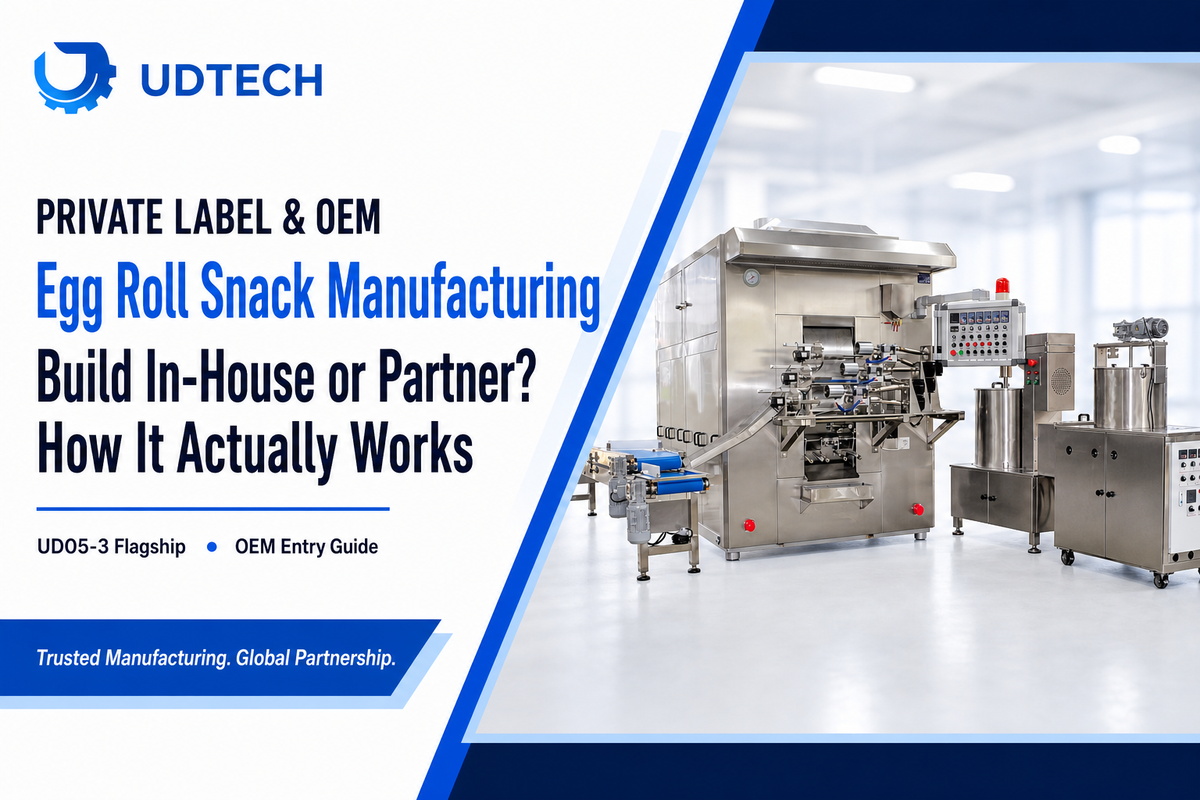
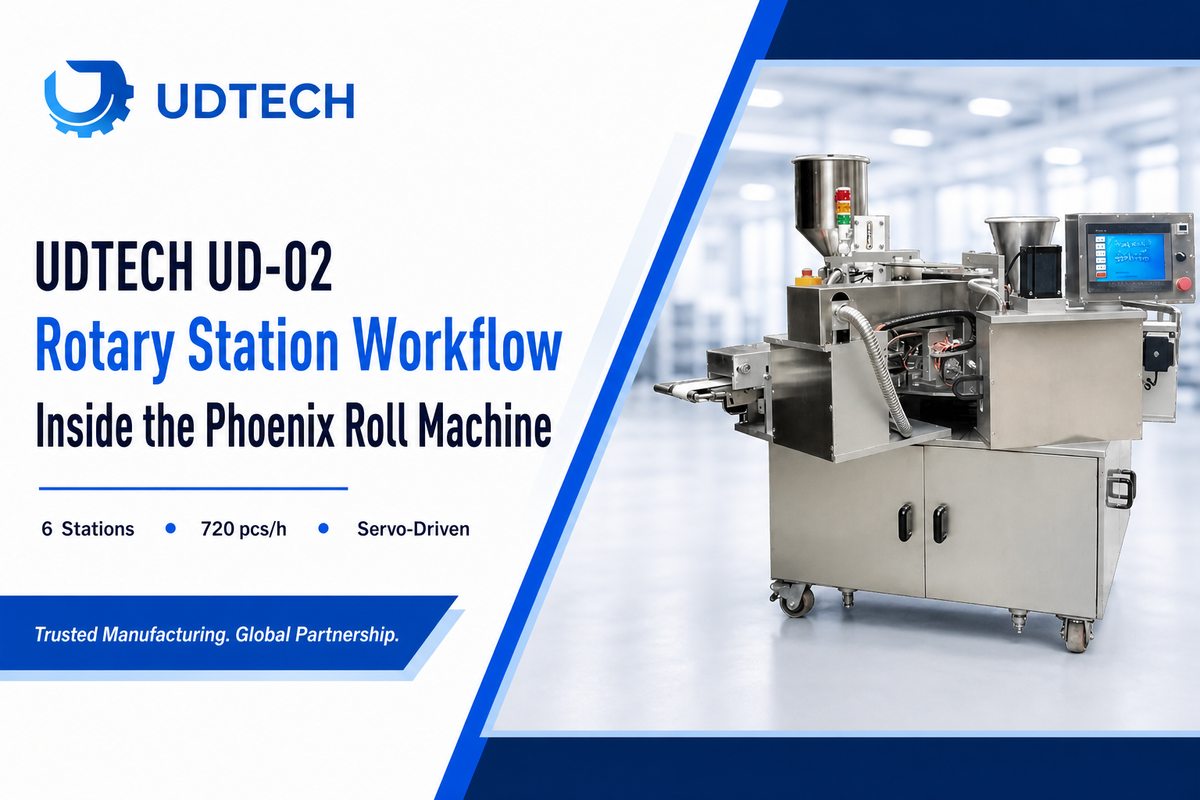
Packaging has never been more important in promoting product preservation and quality in virtually all types of trade—be it food, pharmaceuticals, as well as retail and manufacturing among others. And packaging processes in the present-day would not be complete without the packing machine, which is an essential tool that facilitates operations, minimizes waste, and increases productivity. This article is a thorough analysis of packing machines in terms of their advantages, classification, and how they aid the advancement of packaging industries. Regardless of whether you are trying to expand your business or learning the mechanisms of common items for the sake of interest, this post is rich with information on how packing machines and packing improve business processes.
Introduction to Packing Machines
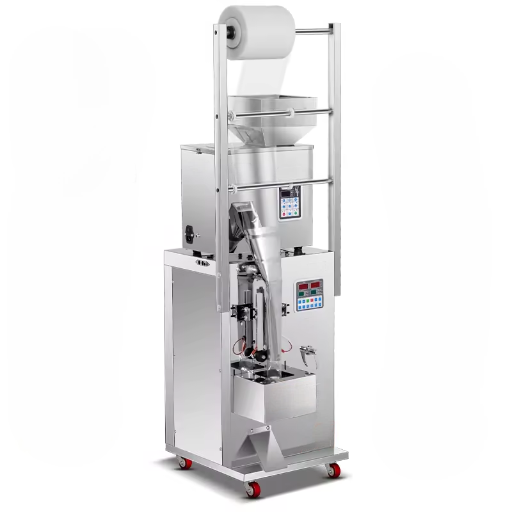
Packing machines are mechanized applications, which ease the packaging process by quickly wrapping, enclosing, and readying the products for transit. Such machines are found in various sectors such as food, drugs, and production to create uniformity, reduction of hiring manpower, and the process shall be contained waste. By improving the rate and precision of work, packing machine enhances the efficiency of work hence the packing machine has become a necessity for businesses in this modern world.
What is a Packing Machine?
A packing machine can be defined as a custom-made apparatus or setup that is used to enable the performance of different processes in the packaging industry such as wrapping, filling, and sealing. The machines vary depending on the industry they are applied in for example; food, medicines, cosmetics, and other e-commerce industries have their own forms of machines to use. There are so many modern packing machines and these machines have computerized control system, conveyors belts, sensors and many more new features nowadays to enhance effectiveness and accuracy. As it turns out, smart manufacturing has taken over the industry and some machines also have Artificial Intelligence and Internet of Things Features for analytics in gathering useful information and making constructive conclusions. Consequently, packing machines are quite paramount at facilitating security and uniform ready state of products while keeping marginal decrease of business operational cost and errorlessness packing machine operation.
Importance of Packing in Various Industries
Many industries have seen a boost in the packing machine as it tends to keep the product safe, the quality in place, as well as improves the customer’s experience. In the food sector, for instance, packaging is used for proper storage and containment, which prolongs before spoiling and keeps the product fit for consumption. In the medical sector, solid package casing protects the drugs and other medication as damages from light or heat can render them useless. The same is true for packaging in the electronics industry where it ensures that brittle equipment arrives in good condition and is not replaced by a pool of surface currents or water. Equally important in all sectors, effective packaging can be a useful component of branding, assisting companies in conveying their image and winning over customers, while eco-friendly packaging addresses the environmental concerns present in the world today.
Benefits of Automated Packing Systems
- Increased Performance: Automated packing systems enhance work processes, reducing indefinitely the time for packaging products, thereby making working productive all over.
- Reduction in Expenditure: Reducing the level of manual work and maximizing the efficiency of material utilization, automated systems enable companies to cut the cost of operations in the long run.
- Accuracy and Exactness: It is also known that these further advancements discipline the methods in packaging and hence, minimize any errors that could lead to poor packaging.
- Improved Protection: These developments in technology, specifically the packing machine, make it possible for a significant decrease in injury levels as there is an actual reduction in the handling of people and machinery.
- Scalability: The changes in the volume of production and the functionality are very reasonable in these systems thus making it easier for the enterprise to cope up with the load when the demand is increasing.
Types of Packing Machines
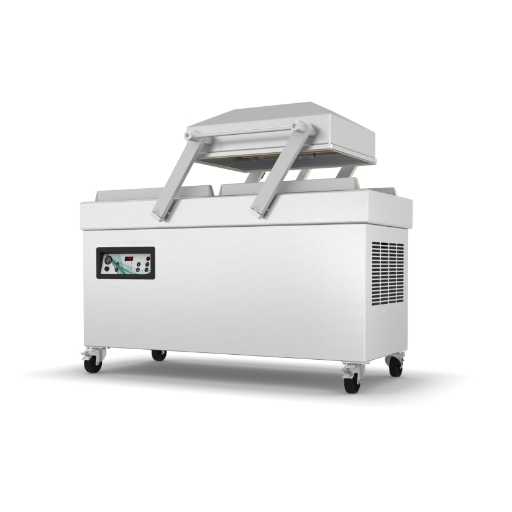
Several packing machine types exist such as packing machine, sealing machine, wrapping machine, labeling machine, capping machine, form fill and seal machine, and other machines like blister packing machine and vacuum packing machine.
| Type | Function | Products | Key Use |
|---|---|---|---|
| Filling Machine | Dispenses product | Liquids, Powders | Accurate dosing |
| Sealing Machine | Closes packaging | Bags, Pouches | Ensures closure |
| Wrapping Machine | Wraps items | Foods, Boxes | Product safety |
| Labeling Machine | Adds labels | Bottles, Jars | Branding info |
| Capping Machine | Applies caps | Bottles | Product sealing |
| Form-Fill-Seal | Forms, fills, seals | Pouches | Automated flow |
| Blister Packaging | Seals products | Capsules, Tools | Compact storage |
| Vacuum Packaging | Removes air | Foods | Freshness keep |
Form-Fill-Seal Machines
Form-Fill-Seal (FFS) machines have been proven to be dominant and reliable machines in the packaging sectors. These machines carry out the tasks of forming packets, filling them with products and sealing, effectively cutting down labour costs and promoting production. They are majorly used in the packing of liquids, powders, granules and a wide range of other products in several sectors including but not limited to foods, pharmaceuticals and chemicals.
The world is beginning to embrace efficient packaging more than ever before. In a way, these machines address these two needs in a single machine; that is, they use less material for packaging and faster packing machine procedures. These machines aid in the simplification of processes apart from enhancing the volume of production; they enable one to do so without any compromise on the quality of the seal, which is fundamental in the protection and integrity of the product. FFS machines with customizable packaging designs and precision technology, is expected to remain an important manufacturing innovation for a long time.
Vacuum Packing Machines
The vacuum packing machine is one of the major devices used for safe wrapping of products and improving ‘shelf-life’, by eliminating air from within the package. This function helps a lot as the bacteria and molds that are present grow better in a high Tension oxygen environment which is greatly inhibited by adding a vacuum pack. Such vacuum packing also applies to food manufacturing industries for better improvements on the shelf life of a given product, its flavoring content and reduced cases of cases of spoilage. In addition, these machines have found application in non-food sectors such as those dealing with electronics and textiles due to the need for avoiding damages on certain contents that need to be stored or carried around physically apart from the foodstuff itself. Finally, the vacuum packing machines of today boast several provisions like switchable seal input, effective air suction apparatus and handling of multiple types of envelopes, thus making their Modes of Applications several and reliable. The rooms of such machines are in a way calculating in this respect because the available space is used efficiently and the amount of wastage is cut down besides other things, which also makes them useful even in small businesses and helps understand the seasonality of the demand.
Pallet Wrappers
Pallet wrappers are useful appliances for securing massive objects that rest upon pallets all the way through the storage and subsequent transportation stages. These machines wrap palletized items with a sheet of stretch film and secure the loads to prevent the contents from falling, gathering dust or moisture which may be harmful. Such equipment increases packaging practices as users do not spend much time or energy performing the operation of wrapping pallets by hand. Pallet wrapping machines can either be semi-automatic or fully automatic and therefore varying degrees of industrial automation complete with pallet load stabilisation and prevention of loss of materials in industries such as manufacturing, warehousing and logistics.
Applications of Packing Machines in Various Industries
Food Packaging
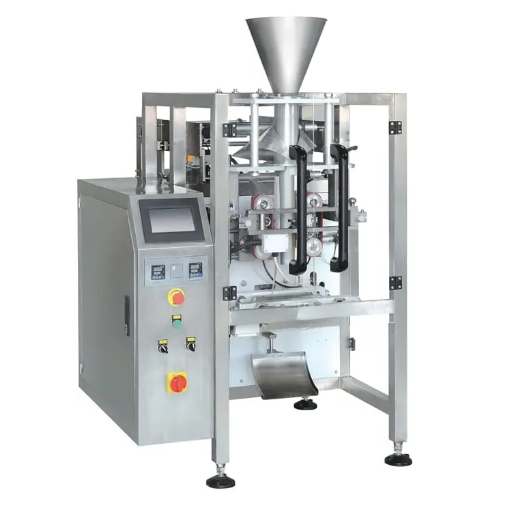
The food industry hinges on the utilization of Packing machines, which are designed to provide an effortless avenue towards reduction of waste and spoilage. By way of technologies like vacuum sachet, MAP (modified atmosphere packaging) and hot bar, these machines support the careful preservation for the more perishable consumables, including meat, milk, or vegetables. For example, using Chanel 180 degree cylinders for casings with a vacuum pump serves the purpose of filling these sealed portions devoid of air such that anaerobic pathogens cannot grow. Furthermore, people use MAP which involves replacing oxygen in packages with other gases such as nitrogen or carbon dioxide in order to extend the shelf life of products. Environmental sustainability concerns are on the rise, leading to the growth of biodegradable and environmentally-friendly packaging options. In response, industries are incorporating such new advanced packing machine that would fulfill the mandatory laws and sustainable food packaging measures which do not only focus on food protection but also provide consideration for the environment.
Cosmetic and Pharmaceutical Packaging
Machines for packaging play an essential role in the cosmetic and also pharmaceutical industries; they guarantee accuracy, security and even effectiveness. In cosmetics, where there is both creams and lotions, these machines are used for the tube, jar or bottle packaging of powders liquids and mixtures. This leads to consistency in the product and cleanliness all according to quality regulations. In the field of medicines, packing machines are quite vital, as they carry out the packaging of tablets, capsules, syrups, and injectables. These machines ensure that the filling is spot on, that the caps can be safety sealed, and lastly that the packages can be serialized all in the name of law. These industries owe their improvement in production speed compared to the past, shortens the packaging or bottling time because stakeholders who are in this business can readily term the products into consumers, and the consumers need not buy the products which are not sterilized. With the help of innovative biodegradable materials and recyclable eco-materials available for packaging machine use, the growing demand for environmentally safe applications can be fulfilled.
Industrial and Commercial Uses
Packing machines have numerous applications in varied industrial as well as commercial sectors to support production and facilitate organization. Industry wise, are critical when packaging chemicals, construction equipment, or parts for industries to enhance their transportability and storage. The packing machine is especially ingrained into the food and beverage industry, pharmaceuticals and FMCG sector for the packaging of processed foods, drugs and household products. Suiting various materials and customization purposes, they help in achieving broad packaging needs and protecting the product within the reasonable framework of safety requirements.
Components of Packing Machines
Sealing Machines and Their Mechanisms
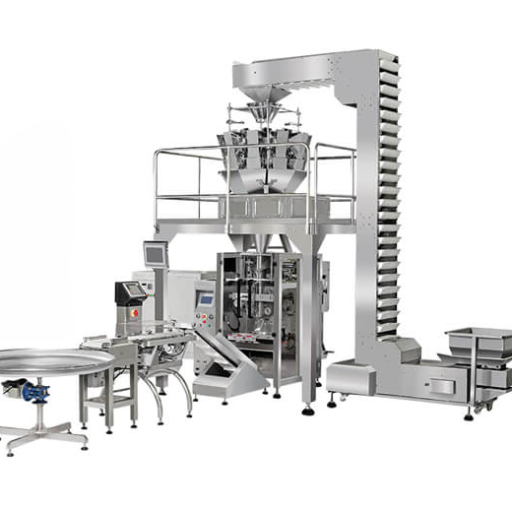
The sealing device is an essential part of a packing machine used in contemporary packing techniques. Its main aim is to integrate the two ends of packages and keeps the products intact by providing an air-tight encasement or an evidence-indicating enclosure. Most of them come equipped with either heating, pressure or drying adhesive mechanisms in proportion to the type of packaging used. A heat sealer, for example, applies hot temperature to seal a plastic packaging while a pressure sealer compresses the material to close the package. Newer sealing applications such as those involving ultrasonics and induction are also being embraced since they are more effective and require less effort in specific activities such as medication and food packing.
With ever improving mechanization and incorporation of technology, a sealing equipment tends towards enhancing reliability and flexibility across numerous operations. There are contemporary sealing equipment which is operated via digits, where the quality of the sealing processes can be easily monitored and also same results can be achieved throughout the various production stages. Therefore, it is easier to achieve regulatory compliance and make products last longer on the shelves without getting sage. The use of squeezing machines in packaging operations is one of the important value additions for companies that manage and archeally weave in quality and efficiency.
Filling Machines: Types and Functions
Packaging operations cannot do without filling machines-these machines are specifically designed to dispense a product into a container with pinpoint accuracy. There are various types of filling machines that specifically fall into each of these categories.
Liquid Filling Machines
These machines are made to fill up beverages, oils, or cleaning products in an exact measurement in respect to thin and thick products.
Powder Filling Machines
Spices, flour, and other powdered items are filled in with this machine. It fills up every single time.
Granule Filling Machines
In general, granulized products like sugar, rice, coffee beans, etc., are automatically filled up in the machine to ensure high effectiveness of granular-material handling.
Paste Filling Machines
These are for the filling of consistent and precise measurements into thick and viscous fluids, such as lotions, sauces, or essential ingredient creams.
Fillers Under Vacuum
It is commonly used for filling thin liquids into rigid containers. The machine vacuum-seals the container after filling to enhance shelf life.
These machines are very important in improving productivity, maintaining quality, and reducing waste in packaging operations.
Labeling and Coding Systems
Labeling and coding systems are a vital part of modern packaging processes. They help in the marking of products or items such that they can be identified and traced. Such systems have been developed for the automatic [re]application of labels, bar-codes, QR codes, and important product information, such as batch numbers, manufacturing date, expiratory date for example. Modern technologies, including thermal ink jet print, laser printers, high-speed applicators allow serving quickly without getting in accuracy problems.
Employing intelligent tags facilitates organizations to comply with regulations and ameliorate the visibility of their supply chain. In addition, recent developments provide evidence of emplaoying increased sophistication of connected systems which baffles, carries out monitoring and control in real-time which assists correction of mistakes, ensures correct solution to a particular error while helping to keep the quality of performance. This progress clearly indicates that it is very worthwhile to purchase modern day labeling and coding equipment because of the very high level of automation and data driven processes that exist today.
Maintenance Best Practices for Packing Machines
Regular Cleaning and Maintenance
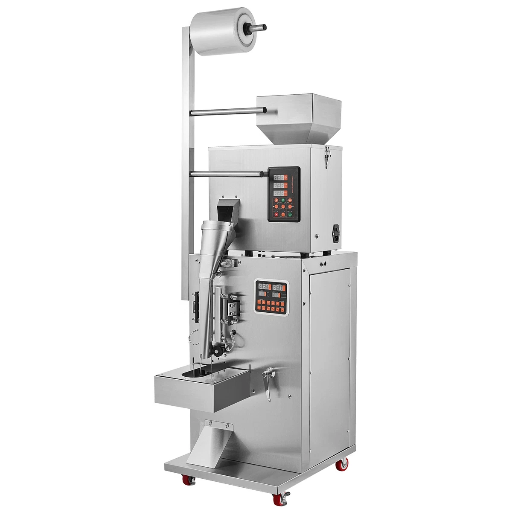
The cleaning and maintenance of packaging machines should be carried out dearly because it is quite important in extending the lifespan of a machine while ensuring efficiency. Currently, attention is being directed towards designing maintenance protocols that show consideration to machine type, function, and use. This is exactly because cleaning standalones saves machines from accumulation of dirt, which otherwise would render the machine inaccuracy and unproductivity. Along with replacing damaged parts and greasing moving parts, routine inspections are essential, as these can help forecast problems, reducing unscheduled stops. By incorporating these relevant practices, businesses are able to uphold the level of hygiene required in particular sectors such as food and drug industries, in turn increasing the dependability and capacity of their packaging systems.
Common Issues and Troubleshooting
Several challenges can arise while using the packing machine in its work cycle. Here are a few problems and their easy solutions:
Misalignment of Equipment
Problem: In line with sealing or filling, some packages remain inappropriately sealed or filled because some components are out of alignment.
Solution: Examine the position of the sealing bars, filling nozzles, belts, and other parts, if necessary shift them within the speculations of the user’s manual and the specific package.
Film Jamming
Problem: The plastic film to be used as packaging is always stuck, or feeding is not achieved appropriately.
Solution: Check if the film is not torn or loaded wrongly, and dust as well as clean the rollers and feed mechanism.
Uneven Sealing
Problem: Sealing aligns on the packages but the seals, however, are weak or uneven.
Solution: Check if the sealing temperature and pressure is in the right range for the material to be packed and whether sealing parts are operational.
Product Spilling
Problem: Product overflows during filling which causes spilling.
Solution: Reduce the filling volume and make sure the filling nozzles are free of obstruction and have a proper function.
Electrical Issues
Problem: Machines do not run or run and frequently stop after running for a period.
Resolution: Examine for any loose connections and burned out fuses; double-check that the power source is adequate for the machine in question.
In this way, packing machine operators will manage their machines more effectively and with such measures; production downtime due to machine breakdowns will significantly be reduced.
Upgrading and Retrofitting Equipment
Enhancing productivity, prolonging the lifespan of equipment, and adjusting to changes in the industry can all be achieved effectively by making improvements to the existing packaging machines. Improved components like automation level advanced control means, internet of things modules, and quite powerful sensors enable the packing machine to be used with precision and less human involvement. As a part of retrofitting one could also eliminate some outdated parts and replace such parts with eco-friendly parts, reducing costs, and performing production in more environmentally friendly ways.
Many people are interested in understanding whether enhancement of or fitting an older machine is cheaper than buying an entirely new piece of equipment. The answer depends on the form of the existing machine and the type of improvements to be made. Retrofitting and modernization is advised if the structure of the machinę is relatively okay, which can help eliminate some disturbance in efficiency at minimum cost compared to buying new equipment. On the contrary, if there are major mechanical issues as well as structural issues now presenting themselves, it might actually be more worthwhile to invest that money into an upgrade and get a new advanced packing machine. It is important to assess certain aspects of the situation which include the current capacity, potential for expansion and the financial factors before coming to a conclusion.
Reference Sources
- Packaging Materials and Equipment: Discusses various types of packing machines, including FFS (Form-Fill-Seal) machines, and their applications in efficient packaging.
- Packaging Equipment:Explores the limitations and advancements in high-speed filling and packaging machinery, providing insights into their efficiency.
- Methodology of Synthesis of Packing Machines for Food Products Based on Multicriterial Analysis: Examines the optimization of packing machine structures and their material supply systems for food products.
- Packaging Technology: Provides a comprehensive overview of packaging technology, including the integration of filling machines and other equipment for efficient operations.
- Food Machine and Extruders Provider in China
Frequently Asked Questions (FAQs)
What is an automated packaging machine that enhances delivery efficiency?
Automated packaging equipment automates processes like completing, sealing, labeling, and erecting carton to hasten the end-of-line processes. These machines bypass speeds while integrating VFFS (vertical form fill and seal) or horizontal systems for seamless product handling, which in turn equals maximized speed and consistent shipping pack quality. An automatic system is a vital machine for various product packaging of almost anything, like high-volume snacks, seasonal fruits or bulk meals, where precise packaging, with machine uptime and maintenance, is required.
How does it work when you have a bag sealer, or a machine that can seal bags, for various products?
Bag sealers make use of heat, pressure, or ultrasonic technology to create hermetically sealed edges on pillow, gusseted, or roll-stock bags. Adjusted parameters are made for these fragile kisses of goods like fruits or produce so that in such situations the items do not get crushed; in the case of liquids and creams, fill and seal modules with pumps or liquid filling nozzles for filling. In production, many baggers and packaging equipment can handle seal bags of different substrates from plastic to laminate films to ensure transport integrity.
What are the pros and cons of installing continuous, compared with manual, packaging machine layouts?
Continuous machines operate at heightened speeds and allow continuous feeds with consistent output, a much needed aspect for strict carton erecting and tray forming, continuous program-fed operations. In contrast, manual or semi-automatic units allowing intermittent operator interference can be useful for low-volume or variable batch sizes. Now, which is better for your product all hinges on your speed requirement, available area and many recipes your product is involved in.
What sealing choices are present for cartons and airtight food packaging for transportation?
The end of line systems includes carton sealers, case erectors, and automatic taping machines to ensure the cartons’ safety during travel. For longer shelf life of retail packaging, vacuum chambers, MAP (modified atmosphere packaging) modules, and high-quality sealing bars could be used. Combination lines can also fill and seal the bags, while bagged filled goods are sealed in cartons for shipping automatically.
What kind of maintenance does a packing machine need to continue running accurately and for a long time?
Regular maintenance means cleaning the feeding systems together with tubing,abnormal amounts of chopping, lubrication of moving parts, regular inspection of the sealer and replacements to belts, cutters, and pump diaphragms as needed. Calibration on schedule keeps keepers point on the accuracy of fill quantities and volumes. Adherence to manufacturer directions for cleaning and maintenance and having parts readily available give you good swift means of having the advantage for your time slots and assuring consistent packaging quality.