Thank you for joining us for our comprehensive guide on Thermoplastic Polyurethane (TPU) where we look into some of its useful molds, applications and attributes. TPU is a material that has a broad range of applications across multiple industries due to its high strength, great stretch, and outstanding abrasion resistance. In this particular blog post, let’s discuss the formulation, methods of manufacture, and mechanics of TPU performance. Additionally, we will point out how it is superior to other elastomers of thermoplastic nature and consider the many industries that require its use, including those in the manufacture of shoes, clothes, healthcare, 3D printing, etc. So, let’s start this informative quest to enable you to appreciate the reasons that have contributed to the increased popularity of TPU in many industries. So together, let’s explore Thermoplastic Polyurethane!
What Are Thermoplastic Polyurethane’s Attributes?

Comprehending Thermoplastic Polyurethane
Thermoplastics known as Polyurethanes have unrivaled traits and features, and even more, they contain a vast scale size of application. As a thermoplastic elastomer, it can be stated to have properties in both plastic and rubber. Due to their properties, TPU’s polymers have elasticity, abrasion resistance and durability, making them suitable for a number of industries.
The material’s use in varying applications has been facilitated by its incredible toughness and ability to be stressed or strained without suffering a lot of wear and tear. The compressive force due to abrasion does not allow the structure to deteriorate over time. TPU is also able to stretch out and return to its original shape due to its extraordinary elasticity without causing the item any lasting damage.
Thermoplastic Polyurethanes (TPU) comprise an amalgam of diisocyanate and diols, which are polymerized to create TPU. Diisocyanate is utilized to cross-link the diols, which act as polymer backbone chains to provide the final product with elasticity and flexibility. TPU may be made using extrusion or injected molding processes, allowing for a wide range of shapes and forms.
TPUs, as a class of elastomeric thermoplastics, can be considered unique in their structural and performance characteristics in respect to other elastomers. They also have good resistance to many oils, greases, and chemicals, increasing the range of possible applications. TPU is widely used in the manufacturing of footwear, fashion items, automotive components, electronics, sports items, medical devices, and 3D printing.
To conclude, Thermoplastic Polyurethane (TPU) is a highly multifunctional material characterized by strength, good resistance to wear and tear, and good elastic properties. Its advantages make it very helpful and vital in many industries where effective and reliable structures are required.
The Toughness and Wear Resistance of TPU
TPU, or Thermoplastic Polyurethane, is known for its incredible toughness and great wear and tear resistance. These qualities make it suitable for application in many different sectors, such as the shoe industry, fashion, automotive, electronics, sporting goods, healthcare devices, and 3D printing. As TPU is abrasion-resistant and friction, chemical, and oil-resistant, it can be used in harsh environments. This toughness and wear-resistant property is attributed to the novel design of TPU, which employs elastomers and thermoplastics in construction. For that reason, the TPU has excellent service and dependability and is, therefore, most appropriate for many applications where wear resistance and toughness are most important.
A Study on the Stretchability Found in TPU Materials
Thermoplastic polyurethane (TPU) is recognized for its remarkable stretchability, which is characterized by the property of many applications that require flexibility and endurance. The elastic properties of TPU are the result of its molecular architecture, which in turn combines strands that are elastomeric with thermoplastic strands. This specific arrangement of molecules means that TPU can be readily stretched and returned to its original configuration dozens of times which translates to elasticity that is quite high. TPU’s stretching elasticity allows it to stretch over a certain limit while bending and compressing without the risk of becoming deformed permanently which gives elastomers the characteristic of being strong when fused with thermoplastics and thus ensures an impressive service life in harsh conditions. Given this attribute, TPU is highly suitable for use in applications requiring polyurethane products that are meant to have a subsequent series of movements and render its functions reliably for longer periods.
How Does TPU Reaches Its Final Form?
Compositional Elements of TPU
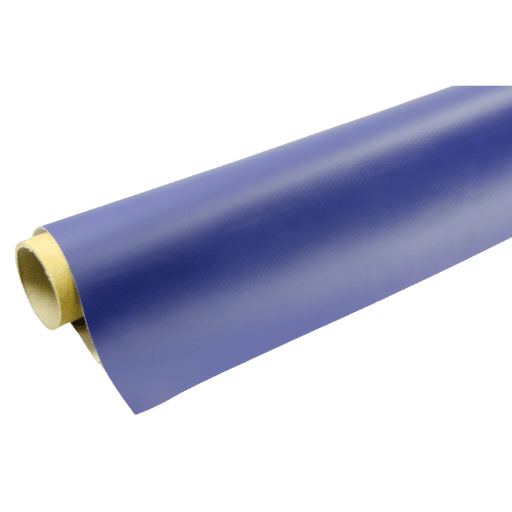
Thermoplastic Polyurethane (TPU) is a flawless, two-in-one material that is an elastomer and thermoplastic simultaneously. It mostly contains two compounds: diisocyanate and polycarbonate diols. To be precise, diisocyanate is a compound responsible for making the TPU structure to be quite stiff and strong, while the diols are used to make the final product more flexible and elastic. The process whereby these components come together and join to form their long-chain molecular structure is polymerization. During the production process, the types and amounts of diisocyanate and diols can be changed to produce the required properties, thus making TPU useful in various areas. The selection and combination of the above compounds also account for most of TPU’s unique and mechanical characteristics, like the ability to maintain a high tensile strength, elasticity, and corrosion or chemical wear-out resistance.
The Role of Diisocyanate and Diols
Diisocyanate and diols are the key components of thermoplastic polyurethane (TPU). Diisocyanate plays a fundamental part in the cross-linking and rigidity development of polymer chain structure. On the other hand, diols enhance the flexibility and elasticity of the TPU matrix. Different types and ratios of diisocyanate and diols can be used to meet particular application needs. This is one of the greatest advantages of TPU is its versatility. This versatility allows TPU to exhibit excellent mechanical properties, such as high tensile strength, improved resilience, and abrasion and chemical resistance. The wide application range of diisocyanate and diols in preparing TPU grades makes it ideal for footwear, fashion, medical, and 3D printing industries.
Processes: Extrusion and Injection Moulding
TPU (Thermoplastic Polyurethane) can be processed by using two important techniques: extrusion and injection molding processes.
Extrusion: The extrusion process involves heating TPU pellets and pushing them out through a die to produce a continuous profile, such as tubes, sheets, or films. This technique also finds high application in the production of tubular or crank-like shafts, seals, and gaskets, which are made of reinforced TPU.
Injection Molding: To create parts by this method, one first melts TPU pellets in a barrel and injects the shooting material (in this case, a melted TPU polymer) into a mold cavity. After it cools down, the mold containing the part is then removed. Injection molding is an efficient way of producing thermoplastic polyurethane (TPU) since it allows for forming complex shapes such as those required in various automotive, electronic, and consumable goods.
Materials engineers evaluate criteria such as the ease of formation of a given TPU product when choosing between extrusion and injection molding processes. However, these processes guarantee the ability to manufacture parts with a precise configuration of all needed properties of TPU across multiple industries.
What are the Advantages of TPU?
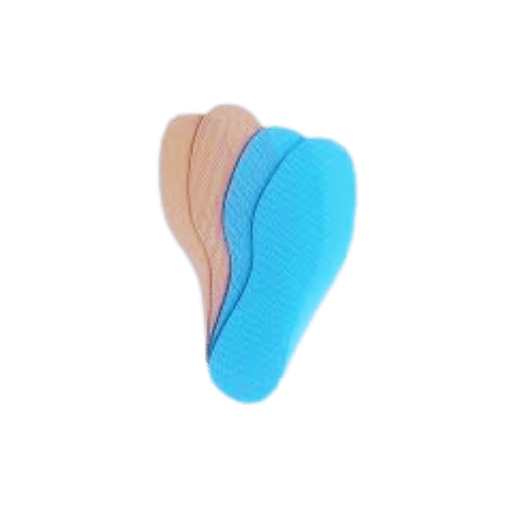
TPU about the Other Thermoplastic Elastomers
Thermoplastic Polyurethane (TPU) has quite a number of advantages, especially when compared to other thermoplastic elastomers. Some of the advantages that TPU has are:
- Flexibility and Durability: TPU is very flexible and durable, which means it can support structures that require some degree of bending, twisting, or movement without losing its shape or properties.
- Wide Range of Hardness: TPU can take various forms from soft and extensile to firm and sturdy. This enables meets the target applications for a variety of end users.
- Chemical and Abrasion Resistance: TPU is highly resistant to chemicals and abrasion, ensuring the proper functionality and longevity of the material in harsh conditions.
- High Load-Bearing Capacity: TPU is highly robust and can thus support a considerable amount of weight without deformation, making it suitable for heavy-duty tasks.
- Excellent Weatherability: Because of its low moisture absorption properties, TPU is highly resistant to ultraviolet radiation, making it perfect for exterior use.
By possessing cutting-edge properties of durability, chemical resistance, and a wide range of other use cases, TPU emerges as the top of the ladder among other thermoplastic elastomers. Therefore, TPU is used in multiple industries and applications.
Let’s Explore TPU’s Characteristics and Their Mechanical Properties
TPU (Thermoplastic Polyurethane) is characterized by unique mechanical properties and high tensile strength, making it a material of great use. These attributes, alongside elasticity, durability, and chemical resistance, allow it to be employed in many fields in different industries.
It is necessary to evaluate the description of TPU’s tensile strength while discussing its mechanical properties. Tensile strength is the amount of tensile stress that a material can take before rupturing instead of stretching. TPU displays a considerable amount of tensile strength, meaning it can handle a great deal of tensile stress, making it useful in critical conditions for structural reinforcement.
Tensile strength also explains the application of TPU in scenarios where durability and strength are needed. The points mentioned above are great advantages when applying TPU in construction elements for the automotive, aerospace, sports footwear, and equipment industries with a high load-bearing requirement. Its great performance weatherability property, which resists degradation to UV fats, is also beneficial for applications such as constructing exterior parts of cars, outdoor furniture, and protective covers.
In closing, due to its aforementioned properties, TPU is a viable option for many sectors and industries due to its vast extensibility and mechanical properties, including high tensile strength. TPU’s qualities, which include resistance to tensile stress, great flexibility, high durability, and strong resistance to chemicals, enable it to excel in demanding and high-performance applications.
Where is TPU Used?
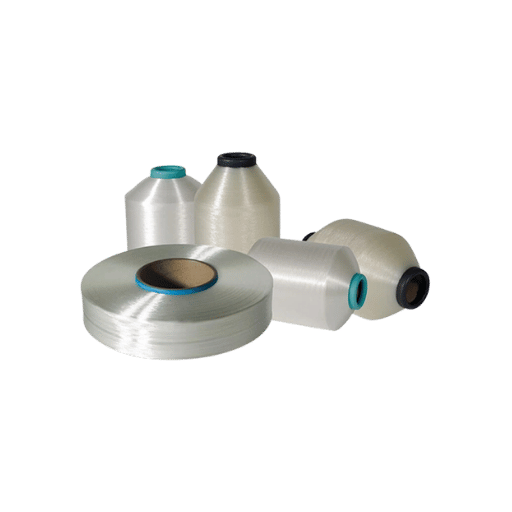
TPU in Footwear and Fashion
TPU, otherwise known as thermoplastic polyurethane, is one of the most used materials in footwear and fashion industries because of its vast range of unique characteristics. The polymer is mostly used in shoe soles and components because it is tough, flexible, and chemical-resistant. It is also biocompatible which makes it perfect for the footwear industry because it can meet up to the requirements demanded by shoes for a long time. Furthermore, shoes can be manufactured easily because TPU is easy to process and gives excellent flow during the molding process. Furthermore, some of the uses of TPU in this region include belts, watch straps, and waterproof-coated fabrics, highlighting its versatility in uses and designs. The extreme resistance to UV radiation and the ability to endure stretching forces also add to its appeal for use in fashion accessories designed for the outdoors. In conclusion, TPU can be repaired to expand the lifespan and functionality of a collection of shoes and fashion products; therefore, it is ideal for such industries.
Application in Medical Devices
TPU (thermoplastic polyurethane) stands out in the medical device domain due to its remarkable characteristics and capabilities. Its excellent biocompatibility, chemical resistance, and durability have made it a preferred material in several medical applications. TPU’s resilience to moisture and chemicals guarantees the safety and durability of any medical apparatus, providing dependable service in vital interventions. TPU’s flexibility, for easy embedding and moving around in the body, makes it widely used for making tubing, catheters, and medical connectors. Also, TPU’s various sterilization possibilities, such as sterilization by gamma radiation or ethylene oxide, render it ideal for such purposes. Because of its unique properties and proven history in the medical field, TPU continues to be a key material in developing new healthcare technologies and improving patient outcomes, thereby increasing the popularity of polyurethane products.
TPU’s Role in 3D Printing Is Best Understood From Its Properties
In industries that require the 3D printing of complex designs and that need flexible yet strong parts, TPU filament has proved to be a useful addition. Allowing for great impact resistance due to its ability to withstand deformation, it has been used in prosthetics, printers, and footwear manufacturing. In addition, its high tear and tensile strength and compatibility across multiple types of 3D printers allow for the expansion of multiple industries. With such features and availability in a range of hardness levels, it is only a matter of time before 3D printing reaches even newer heights.
What is TPU made up of?
To explain hard and soft segments
Thermoplastic polyurethane, or TPU, comprises a combination of hard and soft segments that give it the desired characteristics. Diisocyanate and a chain extender form the hard segments which are able to provide stiffness to the material. They establish a cross-linked chain system that is essential for durability and impact strength in TPU. In contrast, the soft segments, which are made of a polyol, are responsible for TPU’s softness. These segments give the elastomer stretching and recovering abilities, enabling it to be utilized in applications where high strength is required together with low linear density. The ratio of hard and soft segments can be altered following the desired mechanical properties of the final product.
The Significance of Chain Extenders
Chain extenders are of paramount significance in thermoplastic polyurethane (TPU) composition. These compounds, typically consisting of diisocyanate and a chain extender, add rigidity and strength to the strength of thermoplastic polyurethane (TPU) materials. It is through these that a network of interconnected chains is created, resulting in improved durability and impact resistance of materials. Manufacturers can tailor TPU’s mechanical properties by varying the kind and quantity of short-chain chain extenders used in the composition. As such, chain extenders are critical in achieving desired characteristics of TPU in end use applications where tensile strength and flexibility is required. Indeed, its use is applicable to a variety of sectors ranging from automotive to consumer goods.
A Brief Overview of Polyester and Polyether Variants
Two widely used thermoplastic polyurethane (TPU) variants are polyester and polyether, both of which contain differing characteristics and use. The major composition of Polyester-based TPUs consists of superior mechanical properties and good abrasion resistance and thus are suitable for parts of the automotive industry, industrial belts, and rugged coatings, among other applications. Polyether-based TPUs, in contrast, enable the footwear and medical industries plus seal applications because these materials not only have a good performance at low temperatures but are also strongly elastic.
The selection of either polyether or polyester types of TPU will be guided by the characteristics required for the chosen application. TPUs based on polyester are suitable for the most extreme conditions where abrasion, chemicals and oil resistance are necessary. Polyether TPUs, however, are more suitable in instances requiring a high degree of flexibility and performance at low temperatures and resistance to hydrolysis.
The appropriate TPU variant is chosen and formulated based on the required mechanical properties, environmental conditions, and end-use. Basic knowledge about the differences between polyester and polyether grades would help manufacturers select the correct grade for any application, thus increasing the quality and life span of TPU-containing products.
Frequently Asked Questions (FAQs)
Q: How is TPU synthesized, and what elements might be considered as its backbone?
A: Polyurethanes (TPU) are synthesized via the polyaddition reaction of diisocyanate and one or more diols. TPU is a video made from alternating islands of so-called “hard” segments with “soft” segment blocks in a segmented copolymer structure. Such a structure is typical for melt-processable thermoplastic elastomer TPUs.
Q: What essential features distinguish TPU from comparable TPE elastomers?
A: Of all TPEs, TPU is probably the most distinguished because of its outstanding mechanical characteristics, abrasion, and chemical resistance. Compared to other TPEs, TPU seems to provide the best compromise in elasticity and hardness. Also, since TPU is thermoplastic, it can be fabricated using mechanical devices designed for typical thermoplastics, which increases its diversity in applications.
Q: What benefits does polyurethane possess that have made TPU suitable for such a broad spectrum of uses?
A: For many of these applications, TPU has high elasticity, abrasion and chemical resistance, high tensile strength, and a variety of hardness, which are properties of polyurethanes. TPU also exhibits good low-temperature flexibility and oil and grease resistance and can be designed for various degrees of transparency.
Q: Can you clarify how molds made of TPU compare to other thermoplastic materials?
A: Compared with other thermoplastic materials, TPU offers some superiority in the formulation of molds. The low processing temperatures and good flow characteristics of TPU make it ideal for intricate designs. Moreover, the demolding is less complicated because it is an elastomer, and flexible parts can be manufactured. Dimensional stability is also an attribute of TPU and can be utilized in the making of molded parts that are stable, strong, and have a long working life.
Q: What are the primary varieties of TPU, and what are their distinguishing features?
A: TPUs can primarily be classified into polyester-based TPUs and polyether-based TPUs. Polyester-based TPUs have improved mechanical properties, including resistance to oil, whereas those based on polyether have great flexibility at lower temperatures and improved chemical stability to hydrolysis. Polycarbonate TPUs also have great resistance to heat. TPUs can also be put into aromatic or aliphatic categories, with aliphatic TPUs being available that possess a high degree of weather and sunlight resistance.
Q: Could you explain how Bio TPU differs from regular TPU and its uses?
A: Bio TPU replaces oil-based compounds mostly with plant-based, renewable resources. It provides almost the same characteristics as traditional thermoplastic polyurethanes yet is less detrimental to the environment. Bio TPU is gaining traction in sectors with a strong emphasis on sustainability, including the footwear sector, automotive interiors, and consumer electronics.
Q: What makes TPU the perfect material to suit certain applications?
A: Several physical requirements, including elasticity, durability, and ease of processing, are characteristic of a number of applications, and TPU easily meets all these requirements, making it the recommended material of choice. TPU can be used for many applications because of its specific combination of properties, such as high elongation and good abrasion resistance, as well as the ability to be processed by many methods. TPU is significant in the automotive, sports equipment, medical devices, and wearable technology industries.
Q: What type of TPU additives can be used to enhance or change its properties?
A: To alter PU thermoplastic elastomer characteristics, adjustments may be made using a variety of additives and for certain purposes. For example, to increase weather resistance, UV stabilizers are added and fire safety is improved through flame retardants and lubricants added for better processing. Glass fiber fillers or carbon nanotubes can also be included to enhance strength and stiffness. Furthermore, TPU can be processed together with other polymers, resulting in various characteristics for diverse applications.
Reference Sources
1. Thermoplastic Polyurethane (TPU) Nanocomposites: A Review of Their Properties and Applications
- Authors: Various thermoplastic polyurethane materials are available for different applications.
- Journal: Journal of Materials Science
- Publication Date: 2022
- Citation Token:
- Summary: This review paper discusses the properties and applications of TPU nanocomposites. It highlights the enhancement of mechanical properties by incorporating nanofillers such as carbon nanotubes and graphene. The methodologies include a comprehensive analysis of various studies that employed mechanical testing, thermal analysis, and morphological characterization to evaluate the performance of TPU nanocomposites.
2. Synthesis and Characterization of Thermoplastic Polyurethane/Graphene Oxide Nanocomposites
- Authors: Various
- Journal: Polymer
- Publication Date: 2021
- Citation Token:
- Summary: This study focuses on the synthesis of TPU/graphene oxide nanocomposites and their characterization. The authors utilized methods such as Fourier-transform infrared spectroscopy (FTIR), scanning electron microscopy (SEM), and mechanical testing to assess the effects of graphene oxide on the properties of TPU. The findings indicate significant improvements in tensile strength and thermal stability.
3. Thermoplastic Polyurethane-Based Hydrogels for Biomedical Applications
- Authors: Various
- Journal: Biomaterials Science
- Publication Date: 2020
- Citation Token:
- Summary: This research explores the development of TPU-based hydrogels for biomedical applications. The authors synthesized hydrogels through a crosslinking process and evaluated their mechanical properties, swelling behavior, and biocompatibility. The methodologies included in vitro testing and mechanical characterization, demonstrating the potential of TPU hydrogels in drug delivery systems.
4. Thermoplastic Polyurethane Elastomers: Structure-Property Relationships and Applications
- Authors: Various
- Journal: Materials Today
- Publication Date: 2019
- Citation Token:
- Summary: This paper reviews the structure-property relationships of TPU elastomers and their diverse applications. The authors discuss the influence of molecular weight and hard segment content on the mechanical properties of TPU. To understand the viscoelastic behavior of TPU elastomers, methods include rheological analysis and dynamic mechanical analysis (DMA).
5. Recycling of Thermoplastic Polyurethane: A Review of Current Methods and Future Perspectives
- Authors: Various
- Journal: Waste Management
- Publication Date: 2023
- Citation Token:
- Summary: This review addresses the recycling methods for TPU, focusing on mechanical recycling, chemical recycling, and energy recovery. The authors analyze the effectiveness of each method and its impact on the properties of recycled TPU. Methodologies include a systematic review of existing literature and case studies on TPU recycling processes.
7. Polyurethane