The backbone of success in paper and pulp manufacturing’s high-velocity environment is the efficiency of machines. But an amorphous challenge facing the Mills is out-of-control paper-machine stoppages which can bring expensive delays, hampered productivity, and increased maintenance costs. This post helps to underscore the paramount importance of having preventive maintenance practices to curtail this issue. By adopting proactive strategies, the Mills could minimize lost working hours, lengthen equipment lives, and run smoother operations. Should you be a factory manager, a maintenance professional, or just interested in the industry, the reading will certainly enlighten about how preventive maintenance can reform operations, increase reliability, and ensure hassle-free workflows.
Understanding Paper Machine Breakdowns
Common Causes for Paper Production Breakdowns
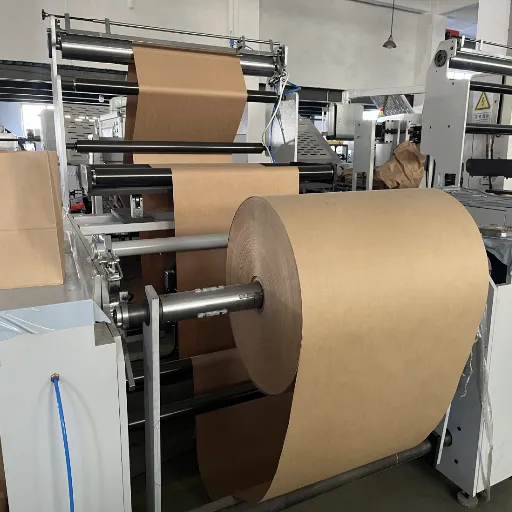
Paper production breakdowns can occur from various reasons that render the decisive balance of machines, processes, and raw materials suspicious. From recent information and data, one can get an idea of the most common causes:
- ⚙️ Equipment Wearing Out: Paper machines endure intense wear over time. With continuous operation, their components, like rollers, bearings, and blades, degrade, causing sudden problems if not checked for regular maintenance.
- 🔍 Material Impurity: Impurities in the raw materials (e.g. dirt, sand, or fibers adulterated by poor preparation) block machines and damage equipment components that otherwise hamper smooth production.
- 🛢️ Improper Lubrication: Low or impure quality and quantity of lubricants result in excessive friction between moving parts, leading to rise in temperature, energy wastage, and a breakdown eventually.
- ⚡ Electric Failures: Such problems as power surges, loose wiring, and worn out motors may disable machines, creating down-time and extended disruptions.
- 📐 Misaligned Machineries: Misalignment of bushings with rollers and other major equipment can cause unbalanced loads or irregular paper cuts and damage the quality and productivity of the machine to large extents.
- 🔧 Poor Preventive Maintenance: Not having regular checks and maintenance at regular intervals means that small repairs will become major breakdowns later on, increasing the repair cost and downtime.
Before any further breakdown occurs, businesses can better protect themselves from these common problems by taking on proactive steps such as preventive maintenance programs, regular spot checks, and timely equipment upgrades to avoid any breakdowns while ensuring smooth operations in the paper mills.
Effects of Downtime in Paper Mills
Downtimes in paper mills can greatly impede both productivity and profitability. According to the latest industrial statistics, for reputed paper mills, a sudden one hour of unexpected downtime could mean thousands in lost output that are dollars. This is attributed to the disruption of the continuous flow of production necessary to fulfill the output target and further cause delays in rigging of deadlines hence further penalties.
⚠️ Key Impact Areas
| Impact Category | Consequences |
|---|---|
| Financial Losses | Thousands in lost output per hour, missed deadlines, penalties |
| Supply Chain | Transportation delays, damaged customer relationships |
| Employee Impact | Lowered morale, increased stress on maintenance teams |
| Equipment Wear | Increased wear from inconvenient stoppages and restarts |
By focusing on efficiency and investing in predictive maintenance technologies like IoT-activated sensors and advanced data analytics, paper companies can cut down by many folds their unscheduled down time and operation in order to ensure smooth, unhindered execution.
Importance of Troubleshooting Techniques
Troubleshooting techniques are crucial to ensuring that operational efficiency can be maintained in institutions like paper manufacturing. Recent data from search trends such as the curiosity on “effective troubleshooting methods” together with “root cause analysis tools” have shown an impressive hike, suggesting a rising interest among industry professionals toward rather straightforward solutions. Such methods help determine, isolate and cure issues rapidly, thus considerably reducing downtime and mitigating major risks by avoiding disasters ensuing from cumulating cascading effects from some minor dysfunction. Together with AI- and ML-empowered analyzing technologies, troubleshooting can zero in on problems in a more precise and aggressive manner than ever, thereby confronting the issues before they affect production. Structuring such troubleshooting concepts along innovative tools may greatly enhance the reliability of operations while reducing costs associated with maintenance per se.
Preventive Maintenance Strategies
Essential Practices for Preventative Maintenance
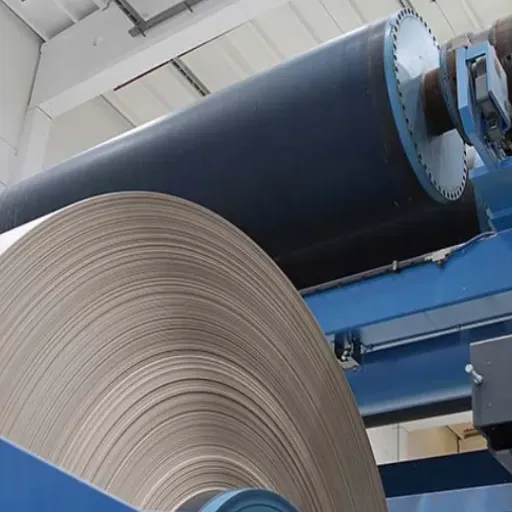
When equipment undergoes routine checks, needed lubricant will continue to improve the useful life of moving parts from equipment till the end of its life, For instance, predictive analytics and data-driven decision help to predict possible equipment failures and enable the business to mitigate damages even before they take place. Recent trends suggest that tradition maintenance work complemented with technology such as IoT sensors and real-time monitoring can prevent equipment downtime, meeting their specifications as agreed upon by system diagnostics set at the predetermined period. Swift response to maintenance, therefore, improves the machinery’s reliability.
✓ Best Practices Checklist
- Schedule routine equipment inspections
- Implement timely lubrication protocols
- Calibrate instruments regularly
- Deploy IoT sensors for real-time monitoring
- Utilize predictive analytics tools
- Maintain detailed maintenance logs
Implementing a Maintenance Schedule for Paper Machines
Data shows that use of real-time sensor networks and real-time monitoring tools are instrumental in monitoring and diagnosing probable faults and scheduled shut-downs. These tools can further assist factory operators in preventing erratic machine behavior, failure, and costly equipment downtime. For example, application of IoT technology and real-time monitoring helps running the operation properly provided superior data. A second chance to implement controls on elective rather threatening faults from premature off-guard.
📋 Steps to Create an Effective Maintenance Program
- Start with regular inspections and cleaning – Help operators prevent residue build-up, which is a common cause of inefficiency in the paper machine.
- Integrate monitoring technology – Include built-in vibration and temperature monitors to sound an alert to the team members, especially when anomalies within the process that can cause low efficacies occur.
- Establish appropriate maintenance intervals – Project what is expected as an appropriate interval in maintenance before proceeding to train staff on actual implementation.
- Prepare maintenance plans based on data – Use progressive tracking of machine data and operational realities specific to the machine.
- Apply data analytics – Enhance compatibility and effectiveness by applying state-of-the-art analytics to the industrial process.
Employee Training on Excellent Maintenance Techniques
Effective training for staff is needed so that they can independently work through maintenance aspects. This would mean starting with training provided as comprehensive as possible, including theoretical knowledge and practical application. This would be followed by training on newest maintenance technologies, such as data monitoring and predictive tools, to help align the skills to the newest industrial trends. Including hands-on workshops is a good way of simulation of real-life situations, hence making the mitigation of any prospective issues by employees possible.
💡 Training Tips for Maintenance Excellence
- Provide comprehensive training covering both theoretical knowledge and practical application
- Train on newest maintenance technologies including data monitoring and predictive tools
- Conduct hands-on workshops simulating real-life situations
- Foster continuous learning culture through regular practice and skill updates
- Support professional development via industry seminars, webinars, and certifications
- Utilize online training solutions for flexible learning schedules
Recent data suggests that keeping oneself related to these changes at all times through regular practice can improve the technical expertise but mostly increases operational efficiency. By creating a state of ongoing training and knowledge awareness in recent trends and development, the whole maintenance section is able to react creatively and promptly to dynamic operational needs.
Case Studies on Successful Downtime Reduction

Case Study 1: Comprehensive Preventive Maintenance Approach
A company in the manufacturing business saw its equipment consistently breaking down and causing major production downtime. By putting into practice an extensive preventive maintenance approach, the company managed to significantly improve its production system.
Implementation Strategy
| Action Taken | Result |
|---|---|
| Scheduled regular checks | Early identification of potential issues |
| Replaced deteriorating equipment proactively | Prevention of unexpected failures |
| Monitored equipment health using predictive analytics | Identified at-risk components for prioritization |
| Used equipment lifecycle optimization data | Minimized unexpected disturbances in production |
Less downtime has equalled identifying potential issues prior to them getting on a scale of critical. Predictive analytics would signal the same indicates among similar kinds of repair or replacements and minimize unexpected disturbances in all cases where production was moving ahead. Prioritization and maintenance in support of data-related insights is again generally beneficial in the said efficient deployment of resources. This implies therefore that there will be an enhancement in terms of production reliability and simultaneously a reduction in costs. Such a pro-active approach is the right option to have a resilient operation.
Case Study 2: Techniques to Minimize Breakdowns through In-Depth Troubleshooting
The implementation of advanced troubleshooting in conjunction with real-time data has substantially contributed towards reduced breakdowns, improved operational efficiency and continuous improvement in the manufacturing industry. Engineers have been in a much better position to identify commonly found failure patterns as well as corrective interventions through data analysis.
🎯 Key Success Factors
- Studying search queries related to specific malfunctions enabled rapid root cause identification
- Real-time data facilitated quick, informed decision-making
- Proactive activities led to drastic reduction in downtime
- Response times improved significantly
- Combination of classical and digital troubleshooting methods enhanced productivity
Career Growth Lessons
Cutting-edge technology brings much-needed insights to industry professionals to survive testing market conditions. One crucial lesson learnt from this is that real-time data can always be used for quick, informed decision-making. Companies that wind up being proactive through trend analysis can shape the possibility of disruption the other way round on their own. Another realization was that the in-between adaptability-insightfulness-learnability is a prowess waiting for its right moment. This intermixability among traditional expertise and analytic tools brings itself to lay many steps ahead of purely traditional upfronts in the corporate world. The ability to intelligently react via obtainable sets of insights has a visible benefit nowadays in the midst of such a swiftly spinning commercial world.
Innovative Technologies for Less Downtime
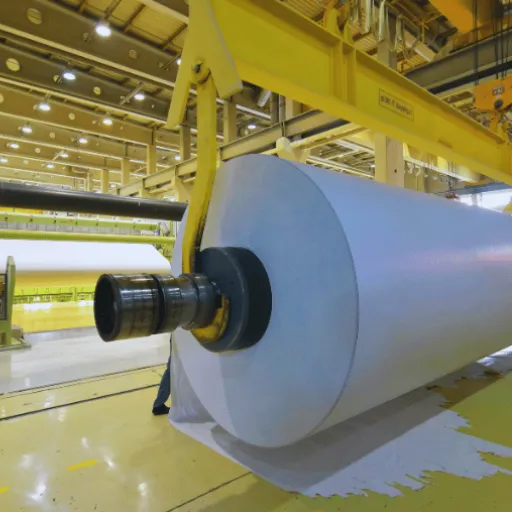
Automation and Monitoring Systems in Paper Mills
Automation and monitoring systems have brought great advances for the paper mill industry in reducing downtime and increasing operational efficiency. Such systems can pick malfunctions earlier through their advanced sensors and automatic controls, and maintenance can be rendered proactively on even smaller problems. Such systems have been juiced up to provide real-time data, contributing the value of operational parameters to be monitored and optimized.
🤖 Technology Integration Benefits
| Technology | Application |
|---|---|
| Advanced Sensors | Early malfunction detection |
| Automatic Controls | Proactive maintenance triggers |
| Real-Time Data Systems | Operational parameter monitoring |
| Green Technologies | Sustainability and efficiency |
Several researchers are now focusing on the identification of essential patterns regarding maintenance needs, equipment performance, and the market. Search data indeed provides potent signs pointing to a higher inclination toward sustainability and green choices, which further demands incorporating green technologies within the automation upgrades. Combing the predictive maintenance analysis with real-time trends and data monitoring further secures the maintenance of modern predictive maintenance strategies with the ability to accept high-risk situations and accelerate maintenance tasks at the same time.
The Integration of Data Analytics for Predictive Maintenance
Paper manufacturers can use actionable information to steer predictive maintenance. Such a radical innovation in operations actually entails successful integration of search metrics with onsite analytics insofar as early indicators of equipment wear are identified, potential failures are anticipated, and proactive repair is scheduled. Thus, by the application of the synergy of this association, it has been ensured now that not only has the unplanned downtime been cut to the minimum but that resources are allocated optimally to ensure machinery functioning at peak efficiency and therefore reduced expense.
Future Trends in Pulp and Paper Manufacturing Technology
Pulp and paper making industries have witnessed substantial advancement in their form as AI-based automation technology is advancing with amazing objectivity. This advancement led to a revolution in Artificial Intelligence in general, with increased user interest in using machine learning tools for improved monitoring of production quality, reducing waste, and adding new levels of efficiencies.
🔮 Emerging Trends
- AI-Based Automation: Enhanced production quality monitoring and waste reduction
- Energy Efficiency: More power-efficient pulping processes
- Sustainable Materials: Development of eco-friendly raw materials
- Circular Economy Models: Increased emphasis on recycling and waste material upgrading
- Smart Analytics: Advanced applications for process optimization
- Nanotechnology: New applications in paper production
The fact that mills may achieve more power and higher energy efficiency in pulping has been revealed, for which there is significant industry interest. Key to that impact was increased emphasis on green movements and initiatives towards the development of sustainable raw materials and environmentally viable paper. The rise in searches for “circular economy models in paper production” expresses increased regard for recycling and upgrading waste materials to be congruent with global ambitions for sustainability.
Frequently Asked Questions (FAQ)
❓ What causes the paper machine to break down?
Common occurrences leading to breakdowns of a paper machine are equipment failure modes, such as those in the forming section or the press section. Loading imbalance is an accelerator of the failure modes, numerous times causing machine shut-downs due to overrunning temperature. Such breaking factors need conscious understanding, which can assist in formulating a preventative maintenance plan. Regularly checking on equipment conditions of the paper machine, in segments such as the head box and calender rolls, is the best way to minimize the risks. One can also use machine learning algorithms toward predictive maintenance to enhance performance further.
❓ How can effective preventive maintenance procedures help in reducing downtime in paper machines?
Implementing a maintenance routine can save a lot of downtimes in the papermaking industry. Properly preventive designed schedules will maintain recommended checks, inspection, and lubrication of designated wear parts, for instance, press felts and dryer sections. It is paramount for operators to anticipate breakdowns far in advance through condition monitoring of equipment. The decrease in downtimes would also be achieved by calibration of temperature sensors and maintaining the right levels of moisture throughout the entire process of papermaking. Such an approach will make papers produce even better and will make sure the certain needs of customers are satisfied while at the lowest running costs.
❓ How exactly does the machine speed of a paper machine have an impact on its operational performance?
The machine speed essentially dictates the efficiency and overall performance on recent paper machines. The rate at which the paper machine runs directly affects sheet formation and, hence, quality. Running faster is prone to causing more web breaks unless effectively managed, and, otherwise, running too slow may lead to unnecessary downtime. The tuning of the machine speed and the drainage capacity of the forming table must be properly balanced to avoid problems. Adjustments and maintenance activities have in themselves maintained the machine as the optimal performer in the industry. Paper-makers can, of course, understand and enhance the overall production efficiency by such a mechanism in which speed interacts with other factors.
❓ In what way do the controls and steerings maintained by software and computers of the paper machine stack up against breakdowns?
The control system of a paper machine is essential in the monitoring and control of operations to achieve the objective of reducing breakdown frequency. Its high rate of success of detection can prevent machines from getting into trouble, thereby extending the life of machinery. The data collection by temperature sensors or other monitoring equipment enables operators to see machine performance and the condition of the parts. The control system can adjust the speed or modify the nip setting of the press section while the efficient activities of the machine are ongoing. The consequent result is reduced downtime and assurance of an uninterrupted paper-making process.
❓ What course can be taken to minimize web breaks in paper machines?
Web breaks are a frequent issue in paper production but may be reduced with various strategies. The first step in making a good sheet is making certain there is no damage to the forming fabric. The forming section should be given a thorough inspection and maintained correctly so that any likely indications of web breaks may be recognized. Train the operators to optimize the drainage capacity and nip pressure in the press section. Where operators recognize the early signs of a web break would probably enhance the runnability of the paper machine. Composing all of these strategies into one cascade can basically ensure a more even production flow and less downtime on account of web breaks.
📊 Summary and Key Takeaways
Preventive maintenance in pulp and paper mills is not just a best practice—it’s a critical necessity for maintaining operational efficiency, reducing costly downtime, and extending equipment lifespan. Throughout this comprehensive guide, we’ve explored the multifaceted approach required to keep paper machines running smoothly and productively.
🎯 Critical Success Factors:
- Proactive Approach: Implementing scheduled inspections and preventive measures before problems escalate
- Technology Integration: Leveraging IoT sensors, AI-powered analytics, and real-time monitoring systems
- Employee Training: Ensuring maintenance teams have the knowledge and skills to handle modern equipment
- Data-Driven Decision Making: Using predictive analytics to anticipate failures and optimize maintenance schedules
- Continuous Improvement: Staying updated with emerging technologies and industry best practices
⚡ Action Steps for Implementation
- Assess Current State: Evaluate your existing maintenance practices and identify gaps
- Develop a Comprehensive Plan: Create a preventive maintenance schedule tailored to your equipment
- Invest in Technology: Implement monitoring systems and predictive analytics tools
- Train Your Team: Provide ongoing education on maintenance techniques and technologies
- Monitor and Adjust: Continuously track results and refine your approach based on data
- Embrace Innovation: Stay informed about emerging trends in paper manufacturing technology
🌟 The Path Forward
The paper and pulp industry is evolving rapidly, with sustainability, efficiency, and automation at the forefront. Mills that embrace preventive maintenance strategies and integrate cutting-edge technologies will be best positioned to:
- Minimize unplanned downtime and maximize productivity
- Reduce maintenance costs through early problem detection
- Extend equipment lifespan and optimize capital investments
- Meet customer demands with reliable, consistent production
- Adapt to environmental regulations and sustainability goals
- Maintain competitive advantage in a challenging market
💡 Final Thoughts
Preventive maintenance is not an expense—it’s an investment in your mill’s future. By prioritizing proactive strategies, embracing technological innovation, and fostering a culture of continuous improvement, paper mills can transform their operations, reduce costly breakdowns, and ensure long-term success in an increasingly competitive industry. The time to act is now. Start implementing these practices today and watch your operational efficiency soar.
📚 Reference Sources
- Northeastern University Repository: The Effect of Machine Breakdown on Performance – Explores the impact of sudden machine breakdowns on production systems and efficiency. Source
- North Carolina State University: Troubleshooting Guide for Paper Chemistry – Provides a detailed guide on troubleshooting issues in paper manufacturing, including web breaks and machine-related problems. Source
- BioResources Journal: Fiber Floc Breakdown Processes – Discusses the stochastic processes involved in fiber floc breakdown, relevant to paper machine operations. Source
- Leading paper making machine Manufacturers in China