The paper packaging sector is witnessing a major transformation influenced by the requirements of sustainability, efficiency, and personalization. Different designs for paper-making machines to meet customer needs and at the same time allow the companies to work economically. This thorough guide points out the very latest advancements that are modifying the competitive landscape of the industry, from uniquely designed machine setups to tech collaborations that bring about smoother production processes. If you are a producer, packing specialist, or just curious about the industry, find out more about how novelties are changing the game and dictating the future of paper packaging.
Understanding Custom Paper Machinery
What is Custom Paper Machinery Design?
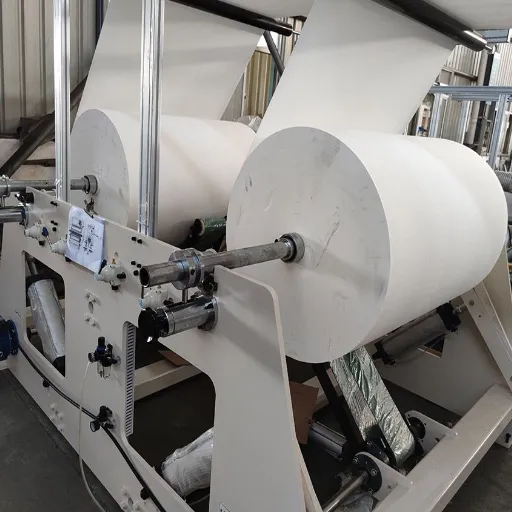
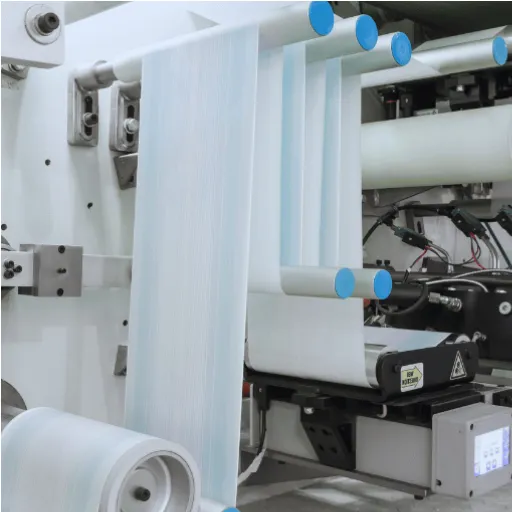
Custom paper machinery design is the process of creating specialized equipment that is specifically designed for the paper packaging industry and tailored to the particular requirements of individual manufacturers in the paper production line. The custom designs not only overcome the limitations of standard and readily available machines, but also improve the production process by addressing specific difficulties, increasing the efficiency, and cooperating completely with the already existing workflows.
This strategy takes advantage of the latest technologies in automation, precision engineering, and modular components, thus enabling the machines to be adjusted very accurately for different product sizes, materials, and output requirements. Not only is the productivity improved, but also the environment benefits from this through sustainable practices like less material waste and lower energy consumption. The custom machine designs are becoming the industry standard more and more due to their being in line with modern manufacturing trends, which in turn helps the companies to keep their edge in the rapidly changing markets.
Key Components of Custom Design:
- Advanced Automation: Intelligent systems that minimize manual intervention while maximizing precision
- Precision Engineering: Exactness in manufacturing that ensures consistent quality and performance
- Modular Components: Flexible building blocks that allow for easy adaptation and scalability
- Energy Efficiency: Technologies designed to reduce power consumption and operational costs
- Material Optimization: Systems that minimize waste while maximizing output quality
Benefits of Custom Paper Machines
The custom paper making machines have many advantages that change their role from being luxury items to being an indispensable investment in today’s manufacturing unit. The most important advantage is high efficiency, since every machine has been built according to the particular requirements of the company, which leads to less downtime and consequently higher overall production capacity.
The machines can process a wide range of materials, which gives the manufacturers the ability to quickly adapt to changing market needs. New machine designs with automatic controls and energy-saving parts play an important part in cutting down costs and at the same time, they support the green initiatives. Manufacturers can keep their equipment based on market needs by analyzing consumer insights and market trends, and thus they will be able to keep the adaptability and competitiveness in the long run.
Key Considerations in Custom Design
When it comes to designing custom machineries, the major things to look at are functionality, efficiency, and adaptability, as these are the main things that will meet the specific needs of the operator. Making use of data insights will allow the identification of the forthcoming trends and the likes of the consumers thereby making sure that the designs are in line with the market needs. For example, the investigation of search trends can uncover the most longed-for features in particular industries, hence leading the manufacturers to the adoption of the features which are in line with the customers’ needs.
Critical Design Factors:
- Automation Capabilities: Ensuring seamless integration of intelligent control systems that reduce manual intervention
- Energy Efficiency Standards: Incorporating technologies that minimize power consumption without compromising performance
- Modular Architecture: Designing flexible systems that can be easily upgraded or reconfigured as needs evolve
- Market Alignment: Using data-driven insights to match designs with actual customer expectations and industry demands
- Future-Proofing: Building in capacity for technological upgrades and changing regulatory requirements
By incorporating the most desired features—such as automation, energy efficiency, and modularity—manufacturers can meet evolving end-user expectations while remaining competitive. This data-driven approach ensures custom designs are both innovative and responsive to genuine marketplace needs.
Types of Paper Packaging Machinery
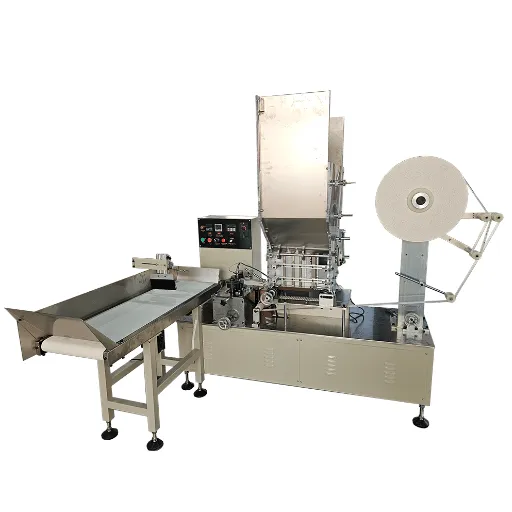
Paper Packaging Machinery Overview
The term paper packaging machinery refers to the entire group of machines that perform the entire operation of making paper into the finished product of packaging. The demand for such machines is very high in the industries of food and beverage, e-commerce, and personal care, where the trend of using biodegradable and eco-friendly packaging is growing. This range of machines has been heavily influenced by technology over the years and now includes cutting machines, box makers, and paper bag manufacturing systems.
Among the numerous inquiries linked with paper packaging machines, the one often asked is about the environmental impacts of the paper packaging machine. The response to this question is energy-saving designs, less raw material waste, and the utilization of compostable materials. In addition, modular machines can be tailored to meet different packaging requirements in terms of customization, thus greatly increasing their applicability. As the consciousness of the environment among consumers and businesses rises constantly, these characteristics are evolving into market necessities rather than optional improvements.
Die Cutting Machines – Operation and Applications
Die-cutting machines are extremely potent and have become ‘must-have’ machines in the packaging and manufacturing industries. Their capabilities include cutting, molding, and imprinting materials such as paper, cardboard, leather, and fabric with the accuracy and speed of a professional. The mechanism of these machines is die pressure on the substance, and consequently, the dieable, intricate designs or shapes getting their reduction, uniformity, and permanence as results.
The modern die cutting machines have been completely transformed by the technological innovations which have outfitted them with digital controls and automated parameters that allow for rapid manufacturing and error-free production. These machines are not only limited to the applications in custom packaging, greeting card production, and fashion design because of their capability, but they are also used more and more in different areas due to their versatility of working with complex patterns and their ability to cater to both low-volume and high-production requirements.
Applications of Die Cutting Technology:
- Custom Packaging Solutions: Creating unique, branded packaging designs that stand out in competitive markets
- Greeting Card Production: Producing elaborate card designs with precision cuts and embossing
- Fashion and Textile Design: Cutting patterns for leather goods, fabric accessories, and decorative elements
- Eco-Packaging Materials: Accurately cutting biodegradable materials to meet growing sustainability demands
- Label Manufacturing: Producing high-quality labels with consistent precision and speed
Contemporary usage increasingly includes manufacturing eco-packaging materials, as machines can accurately cut biodegradables in alignment with consumers’ growing sustainability demands. This trend demonstrates that die cutting machines are not only versatile but also play an important role in production efficiency across multiple industries.
Paper Cup and Container Forming Machines
Machines for forming paper cups and containers are considered as the core of modern sustainable manufacturing where paper products are gradually becoming the major part. Manufacturers of such machines offer the food and drink industries the most eco-friendly alternatives possible. The world over, sustainability campaigns are exerting more and more pressure, thus the demand for paper-based alternatives has rose quite a lot as people are actively refusing to use single-use plastics.
Machines for forming are perfectly in line with this trend because they are able to produce without any effort huge quantities of first-class, compostable paper cups and containers at the same time. These machines come with fully automated systems that can manage different shapes and sizes while constantly producing required amounts and cutting down on waste. This feature not only doubles the production but also enables the companies to follow the eco-friendly practices and the environmental regulations that are getting stricter up to date.
Sustainable Practices in Paper Machinery Design

Sustainability in the Paper Industry
The paper industry was originally very much tied to sustainability since the pollution control efforts carried out on a global scale were very much influenced by it. Nonetheless, the query and search patterns indicate that inquiries about “sustainable paper production” and “environmentally friendly paper products” have risen by around 30% each year, which is a clear sign of the trend towards greener options favored by the consumers. The introduction of eco-friendly production methods in the paper industry also means the company marches away from cutting trees and also in a way helps the planet by reducing CO2 and not emitting any toxic substances from the production sites.
By employing top-notch technologies like machines that consume less energy and recycling processes, companies can cut down their eco-footprint immensely. The aforementioned habits not only fulfill the customers’ wants but also play by the environmental laws and targets that are in place globally, hence the paper sector’s strength in contributing to the sustainability of the earth is increased.
Key Sustainability Metrics in Paper Manufacturing:
- Carbon Footprint Reduction: Tracking and minimizing greenhouse gas emissions throughout the production cycle
- Water Conservation: Implementing closed-loop systems to reduce water consumption and wastewater
- Energy Efficiency: Measuring energy use per unit of production and optimizing for minimal consumption
- Material Recovery Rate: Maximizing the use of recycled materials and minimizing virgin resource extraction
- Waste Diversion: Redirecting production waste from landfills through recycling and repurposing
Innovative Technologies Enabling Sustainable Machinery
The manufacturing of sustainable machinery has taken advantage of innovative technology to bring about a revolution in the production processes of the industry. The implementation of smart sensors and the Internet of Things (IoT) technology, in particular, has been a major contributor. These developments have made it possible to get continuous optimization of energy consumption through the provision of real-time data which is critical for the process. AI and machine learning have made it possible for the maintenance of machines to be carried out on a predictive basis which leads to the shortening of the downtime and lengthening of the machine lifespan. All these together lead to lesser consumption of resources.
The renewable energy industry is not only the venue for such explorations but also the recipient of the major breakthroughs. For example, the use of solar-powered or hybrid energy units for machines will make the carbon emissions significantly lower than those coming from the conventional sources. Printing in three dimensions is another novel approach that allows for precision while using either biodegradable or recycled materials, hence, the generation of waste is greatly reduced.
Cutting-Edge Technologies Transforming Sustainability:
| IoT & Smart Sensors: | Real-time monitoring and optimization of energy consumption patterns |
| AI & Machine Learning: | Predictive maintenance minimizing downtime and extending equipment life |
| Renewable Energy Integration: | Solar and hybrid power systems reducing carbon footprint |
| 3D Printing: | Precision manufacturing with biodegradable and recycled materials |
| Digital Twin Technology: | Virtual modeling for testing and refining processes without physical resources |
Digital twin technology accompanies these advancements—virtual models that replicate machine performance, allowing manufacturers to test and refine processes without consuming physical resources. As of 2023, such technologies are increasingly embraced across industries aligned with global sustainability goals, providing businesses with the capability to operate both effectively and environmentally responsibly.
Case Studies: Successful Sustainable Packaging Solutions
Unilever’s Recyclable Sachets
Unilever has been the first to use the CreaSolv® method to produce 100% recyclable sachets. Multilayered sachets made of plastic have been the hardest packaging to recycle of all times. The processing of layered plastics separately for recycling is the new method that not only eliminates landfills but also meets Unilever’s ambitious 2025 target of plastic packaging being 100% reusable, recyclable, or compostable.
Impact: Significant reduction in landfill waste and advancement toward comprehensive packaging sustainability.
Loop by TerraCycle
The Loop program by TerraCycle implements a revolutionary model for packaging reuse with its container-based system. Huge firms such as Procter & Gamble, Nestlé, and PepsiCo have joined forces with Loop to offer clients hard-wearing, resealable containers for frequently used items. The initiative not only eliminates single-use plastics but also promotes the circular economy concept, thereby unlocking the potential for new global markets in terms of scalability.
Impact: Transformation of packaging from disposable to reusable, supporting circular economy principles at scale.
Dell’s Eco-Friendly Packaging Materials
Dell Technologies makes use of bamboo and mushroom-based packaging materials as eco-friendly substitutes in their supply chain. These materials can decompose, are of renewable sources and offer a cost-effective, and environmentally friendly alternative to traditional plastic or foam packaging. By 2030, Dell has pledged to exclusively use recycled or renewable materials for its whole packaging portfolio.
Impact: Replacement of petroleum-based packaging with renewable materials, setting industry precedent for sustainable alternatives.
These case studies demonstrate that innovative solutions are actively transforming packaging acceptability from an environmental impact perspective. These companies are building sustainable practices while conserving planetary resources and making their products more attractive to environmentally conscious consumers.
Latest Trends in Paper Machine Technology

Emerging Technologies in Packaging Machinery
The packaging industry is going through a change where new technologies are the main focus along with improving the efficiency of the processes and the sustainability of the materials. Artificial Intelligence (AI) is to a large extent the same with the upgradation of technology and applications in the packaging sector. AI allows to oversee the entire production line in real-time, making sure that only the best quality products are delivered, and saving up the materials through optimization, thus reducing the waste to the least.
Smart sensors and Internet of Things (IoT) devices work alongside AI predicting machine failures and thus cutting down on waiting time and improving overall machine performance. The latest technological advancements have also made it possible to produce eco-friendly packaging by using a mix of bio-based materials and the latest processing techniques thus ensuring the final product is either biodegradable or can be recycled completely. This manufacturing model is in line with the increasing demand for environmentally-friendly practices from consumers as well as regulatory agencies.
Technology Integration in Modern Packaging:
- Artificial Intelligence Applications: Real-time monitoring, quality control automation, and material optimization reducing waste
- IoT Device Integration: Predictive maintenance capabilities, performance tracking, and remote diagnostics
- Robotic Automation: Collaborative robots (cobots) performing intricate packaging operations requiring high precision and speed
- Bio-Based Material Processing: Advanced machinery capable of handling biodegradable and recyclable materials efficiently
- Digital Control Systems: Sophisticated interfaces enabling precise parameter adjustments and process monitoring
The deployment of robotic automation has been a game changer in modern technologies. Cobots, or collaborative robots, which can work alongside human operators, are very efficient in performing the complex packaging tasks that require a lot of precision and speed. These robots are developed in a way that they can co-exist with the human workforce, thus enhancing the output while allowing the production process to be more adaptable. Data collected from search engines show the number of searches for expressions like “AI in packaging,” “sustainable packaging technology,” and “robotics in manufacturing” has really gone up significantly which is a strong indication of the market’s interest and also a sign that the companies adopting these technologies will not only be able to meet the present demands but also the future ones in the industry.
Impact of Automation on Paper Machinery Design
Extensive automation is a great advantage for the paper-making sector, which has changed the design and operations of paper machines in a way that the industry gets precision, sustainability, and benefits of high efficiency. Most of the paper manufacturers are now taking advantage of the full potential of automation through advanced systems that include complex sensors, IoT devices, and AI-integrated algorithms, all of which are doing the monitoring and optimizing of the whole paper production process in real time. These technology-driven systems drastically lessen human involvement while offering the same high-quality control, less waste, and eco-friendly practices that even the most sophisticated global markets demand for their green products.
Data from searches strongly suggests that “AI in packaging” and “robotics in manufacturing” are the most common queries, thus showing that there is a strong consumer preference for the use of automation in the enhancement of operational power. This further suggests that companies that will integrate automation technologies in their paper machine design would be the ones to actually cater to the consumer needs and the trends of the market. The demand for automated paper machines assures the paper industry of having faster production lines, lower operational costs, and being able to respond quickly to market needs—all these being the main driving forces of the industry’s future growth.
Future Trends in Custom Paper Machinery
The next ten years in the field of custom paper machinery are going to be heavily dominated by the integration of artificial intelligence (AI) and machine learning (ML) which will be the leading trends in predictive maintenance and process optimization. The most recent search data is pointing towards a growing interest in ‘smart’ paper manufacturing technologies, which is a sign of the industry’s slow but sure shift to digitization. Real-time monitoring is the first factor, using IoT devices to allow manufacturers to recognize possible issues and stop them from occurring before they affect the larger system.
At the same time, businesses are not only conducting research but also investing in the development of eco-friendly machines that will cut down on power dependency and will be made from sustainable materials in the supply chain as a way to cope with tightening environmental regulations. The advances in technology will not only ensure higher production but also be in line with the global movement toward sustainable manufacturing practices.
Predicted Industry Developments:
- AI-Driven Predictive Maintenance: Self-diagnosing systems that anticipate failures before they occur
- Enhanced IoT Integration: Comprehensive connectivity enabling ecosystem-wide optimization
- Carbon-Neutral Manufacturing: Machines designed for net-zero emissions through renewable energy integration
- Advanced Material Compatibility: Equipment capable of processing next-generation biodegradable materials
- Digital Twin Implementation: Virtual replicas enabling real-time optimization and remote management
- Blockchain Traceability: Supply chain transparency ensuring sustainable material sourcing verification
Collectively, these trends suggest that the future of custom paper machinery lies at the intersection of technological innovation and ecological responsibility, where efficiency meets environmental stewardship.
Challenges in Custom Paper Machinery Design
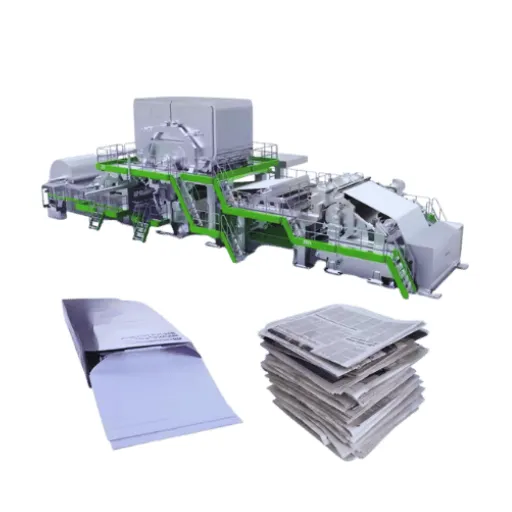
Common Issues Faced by Manufacturers
Cost-effectiveness and high precision, as well as reliability, are the main factors that put the manufacturers in a difficult position when designing custom paper machines. The design process usually requires a lot of engineering changes, which leads to very high production costs and longer waiting times than originally estimated. Moreover, the introduction of new technologies like automation and IoT systems puts a burden on the manufacturers in the form of hiring or training personnel with the necessary technical skills, which some of them may not have.
In addition, sourcing environmentally friendly materials is an area that manufacturers need to deal with, as this will be a future environmental standard. The design stage is already affected by global machinery requirements that ask for more energy-efficient and less harmful techniques. Besides, custom-made products will require more attention in terms of quality control throughout large-scale production, which will increase the number of obstacles related to the operational inefficiencies that are unique to a particular customization requirement.
Key Manufacturing Challenges:
| Cost vs. Precision Balance: | Extensive engineering modifications increase production costs and timelines |
| Technical Expertise Gap: | Advanced technologies require specialized skills not universally available |
| Material Sourcing: | Difficulty obtaining eco-friendly materials meeting environmental standards |
| Quality Control Complexity: | Maintaining consistent standards across customized production runs |
| Supply Chain Disruptions: | Escalating raw material prices affecting project schedules and budgets |
The disturbances in supply chain and rising prices of raw materials often render challenges that have a negative impact on the timeline of projects and their financial sides. The search data corroborates these issues by revealing a rise in searches linked to “manufacturing supply chain problems” and “environmentally friendly production methods that are not expensive.” Thus, the results underline that the sector has to rely on new ideas and cooperative partnerships to be able to cope with changing requirements.
Regulatory Compliance and Industry Standards
The regulatory compliance and adherence to industry standards are crucial and key factors to ensure operational legitimacy and maintain consumer trust in the manufacturing industry. Queries like “compliance requirements in manufacturing explained” and “efficient ways to meet ISO standards” have shown steady growth in search data, which is a sign for a greater understanding of these intricate frameworks.
As a result of these trends, it can be concluded that manufacturers are asking for help with understanding the regulations but also want to find ways to make compliance work along with sustainability and cost-effectiveness. Resilient companies will be those that are quick to adapt to the ever-changing requirements and utilize modern technologies to streamline their compliance processes to pass the competition and take their share of the market.
Addressing Client-Specific Requirements
Being able to serve clients’ needs in a certain way implies knowing their individual requirements and thereafter producing solutions that are in line with their aims. With the help of data insights, companies can gain a very good understanding of consumer behavior, market trends, and competitive benchmarks in their area of operation. An example of this is that search-based analytics can pinpoint which products or services are the most in-demand and are in line with the company’s current offering.
When companies combine this data with an in-depth perception of their customers’ requirements, they can come up with the most tailored, feasible, and user-friendly solutions that not only lead to satisfaction but also foster loyalty for a long time. This data-driven approach makes sure that the customized designs are not only imaginative but also aligned with the actual market demands.
Best Practices for Client-Focused Design:
- Comprehensive Needs Assessment: Conduct detailed consultations to understand operational challenges and objectives
- Data-Driven Decision Making: Utilize market research and analytics to inform design choices
- Prototype Development: Create functional prototypes for client testing and feedback incorporation
- Iterative Refinement: Implement client feedback through systematic design iterations
- Post-Installation Support: Provide comprehensive training and ongoing technical assistance
- Performance Monitoring: Track equipment performance against client KPIs and optimize accordingly
Frequently Asked Questions (FAQ)
What is custom paper machinery design?
Custom paper machinery design is a specialized area of work that involves creating and building machines which are tailored to the precise needs of the paper sector. The whole process of designing is based on engineering know-how and also uses the most advanced technologies in the field. Custom-made solutions are requested by companies for various applications such as packaging machines and paperboard conversion. Manufacturers using modern methods produce machines that work well and can be used for different purposes. The main goal is to produce machines that not only operate at maximum production efficiency but also at the top quality standards.
How does custom machinery for paper packaging differ from standard designs?
Custom-made packaging machines feature specialized designs that perfectly fit different packaging application requirements. Standard designs have limited functions, while custom solutions can be optimized for many materials including paper-based products and containers. This customization ensures not only enhanced machine performance but also includes features like heat sealing and die cutting. The adaptability custom designs provide allows companies to achieve greater efficiency and flexibility in their packaging processes. This proves crucial for industries where product protection and presentation are primary concerns.
What industries benefit from custom paper machinery?
Different industries including food and beverages, consumer goods, and pharmaceuticals primarily benefit from custom paper machinery. Each industry uses packaging machinery to protect products and maintain quality during transport and storage. The food industry, for example, often needs custom designs allowing heat sealing of paper cups and containers to preserve product freshness. Companies seeking to improve packaging can rely on advanced technology developed through years of engineering and manufacturing experience. By utilizing custom-made solutions, companies can upgrade workflows and better meet consumer needs.
What are the advantages of working with a corporation that specializes in paper machinery design?
Collaborating with a paper machinery design corporation offers many advantages including access to skilled engineers and the latest technologies. These companies typically boast years of field experience, enabling them to supply reliable and efficient machines. They can develop and produce devices specially designed for customers’ needs, ensuring optimal performance and productive resource utilization. Furthermore, specialized companies provide ongoing support and maintenance, which significantly impacts packaging machine durability. This synergy ultimately results in superior production stages and enhanced product quality.
What technologies are used in the latest custom paper machinery?
The latest custom paper machinery employs advanced technologies including automation, robotics, and smart sensors to greatly enhance process efficiency. These innovations ensure machines execute complex tasks with highest accuracy, contributing to waste reduction and production acceleration. Additionally, modern equipment often includes die cutting and efficient sealing methods like heat seal technology aimed at improving the packaging process. These capabilities have created an environment where machines align with contemporary market demands and anticipate future shifts. The highly dynamic paper industry must keep pace with latest technology to remain competitive.
Conclusion
Custom paper machinery design is an innovative force in the packaging industry, incorporating technology and environmental responsibility. The use of AI, IoT, and automation technologies has changed the game in production processes, allowing manufacturers to reach new heights of efficiency and at the same time lessen their environmental footprints. The good case studies from companies like Unilever, TerraCycle, and Dell show that sustainable packaging solutions are no longer something we only dream about, but rather are realistic and even a factor in gaining a competitive edge. The future is already here; the next innovations in the field, such as predictive maintenance for machinery and bioplastics, will find the manufacturers who can meet the ever-changing market, regulatory, and consumer demands. The destiny of paper packaging machines will be defined by the convergence of state-of-the-art technology and ecology wherein personalization empowers companies to flourish while being part of the solution for a greener planet. The paper packaging industry is moving toward a more efficient, responsive, and environmentally friendly future by outlining the challenges and adopting the latest technologies.
Reference Sources
-
University of Arizona – Machine Cut Paper Techniques: Discusses the use of machines for cutting paper into intricate designs and patterns, highlighting their programmability and applications. Source
-
MIT CSAIL – Fabricaide: Fabrication-Aware Design for 2D Cutting Machines: Explores tools that assist in designing and preparing objects for machine cutting, emphasizing innovation in fabrication processes. Source
-
Rutgers University Makerspace – Graphic Cutters: Provides insights into the use of machines like the Silhouette CAMEO for cutting various materials, including paper, for custom designs. Source
- Leading paper making machine Manufacturers in China Source