In the realm of precise cutting technologies, two methods frequently overshadow others in discussions: plasma cutting and laser cutting. The accuracy and cleanliness of cuts they produce, among other technical advantages, have made both processes the go-to techniques of countless industries, including manufacturing and automotive, among others. However, the question that arises is, what is the best one for your situation? The article under review looks into the pros and cons as well as the major differences between these two technologically advanced solutions and brings the decision to you unambiguously. If your interest is in their applications, prices, or technical skills, this all-inclusive guide will bring you the necessary clarity to pick the right equipment for the task.
Introduction to Cutting Technologies
Cutting Technologies in Metalworking: Their Significance
Technologies for cutting are fundamental to the metalworking process of today as they determine the level of quality, time, and accuracy of the output products. The availability of laser cutters, plasma cutters, and waterjet systems has completely transformed the metalworking process allowing the manufacturers to create very fine designs with very tight tolerances which were impossible in the past. The latest statistics taken from the market of search engine show that there is a rising trend towards adopting precision cutting technologies that are sustainable as industries become more environmentally conscious and try to set up energy-efficient production processes along with waste minimization. Therefore, to be in the race, companies need to adopt the best cutting solution which is properly aligned with their production requirements; this will not only guarantee them first-rate quality but also make their operations economically viable. On the other hand, businesses will widely able to meet diverse industrial needs through the use of cutting-edge technologies while also maintaining a firm grip on the market due to their strong edge.
The Discussion: Plasma Cutting versus Laser Cutting
The comparison of plasma cutting and laser cutting should be done with a strong focus on their various aspects like strengths, areas of application, and limitations relying upon the most recent data from the industry. Plasma cutting is known for its capability to cut through conductive materials like steel and aluminum very fast and easily. It is also suitable for thick materials, sometimes even up to several inches thick, which makes it the main option for industrial applications that require heavy-duty work often performed with that kind of material thickness. In contrast, laser cutting has exactly the opposite character of being precise, and it can produce detailed cutting which goes hand in hand with being able to process very fine designs and thick materials like stainless steel, plastics even perfectly carved wooden models.
The latest research trends from the search engine suggest that laser cutting is becoming a popular choice due to the growing industries that require fine engravings and high efficiency in smaller-scale production. But plasma cutting still holds strong in construction and shipbuilding areas where thickness and speed are very critical.
In short, when it comes to materials, their thickness, cutting precision, and budget, the decision between plasma cutting and laser cutting will be made based on the exact requirements of the user. Nonetheless, if one technique provides the utmost accuracy and flexibility, the other simply delivers the strong performance of non-ferrous, carbon and stainless steel cutting at a cheap price. So, businesses need to consider their production goal and the characteristics of the materials to find out which cutting technique perfectly matches their processes.
Objectives of the Article
This article is meant to compare plasma cutting and laser cutting in detail, hence, provide the necessary guidance to businesses and professionals to rely on their often demanding specific requirements. It is stated clearly with the help of the latest data from the search engine that “plasma cutting vs. laser cutting” is one of the frequently searched topics which mirror the necessity for explaining the pros and cons of each method. The author also wants to apply the question to be answered with elaborate know-how and thus, aims to facilitate the reader’s easy choice of suitable cutting technology for their applications depending on their priority—be it, cost efficiency, precision, or compatibility of the material.
Understanding the Basics of Cutting Methods
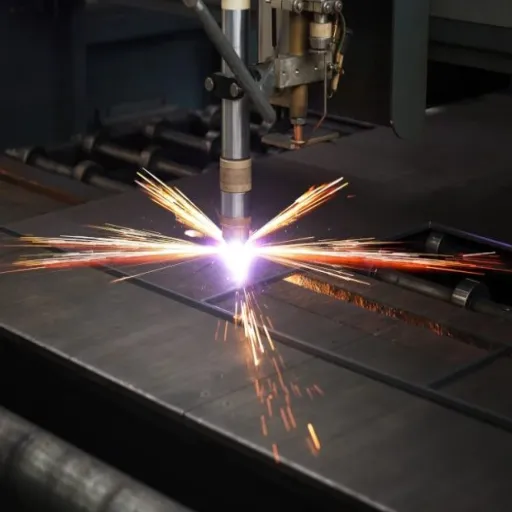
What exactly is Plasma Cutting?
Plasma cutting is a technique which uses a rapidly moving stream of ionized gas called plasma to cut through metals like steel, aluminum, and copper that are good conductors of electricity. The gas is made conductive by high temperature and the plasma is created by an electric arc that heats the gas to tremendous high temperatures. This process not only allows cutting but also works with materials of different thicknesses very effectively. Moreover, it performing faster than standard tools while maintaining cleanliness and accuracy of the cuts. And, as per the latest trend data, plasma cutting is not only cheap but also easy to use, and that’s why it is being widely adopted in manufacturing, building, and car repairs among other industries. Nevertheless, among the latest advancements in plasma cutting are not only improved nozzle designs and automated systems but also more precise and waste-free operations.
Plasma Cutting – Its Main Characteristics
High Precision and Accuracy
Plasma cutting allows you to cut with almost no deviation, therefore, it is easy for the operators to work with complex designs or even full-scale models. With the emergence of new technologies in nozzle and automated systems, such cutting has reached new heights with almost zero material waste.
Speed and Efficiency
In contrast to traditional cutting methods, the cutting with plasma is like a lightning strike; it not only gives the fastest but also the most efficient cuts possible reducing production time dramatically. The speed of the process is a major factor that speaks in favor of plasma cutting in sectors such as manufacturing and automotive repair, where time is money.
Material Versatility
One of the biggest advantages of using plasma cutting is that it works with a whole range of different electric conductive materials of various thicknesses such as steel, aluminum and other alloys. It is precisely because of this range of applications that plasma cutting has become a preferred method in many industries.
Cost-Effectiveness
Recent search data indicate that the price of plasma cutting is very low in comparison to laser cutting and waterjet systems. Costs for installation and operation are also lower making it an economical option for both large and small businesses.
User-Friendly
New technologies that have come up in plasma cutting have made the use of the equipment much easier on the part of the operators regardless of their skill levels, to be of great help to users. Innovations like the user-friendly interfaces and portable machines are examples of this development.
Environmentally Friendly
In comparison with certain conventional techniques, the environmental impact of plasma cutting is less given its lower generation of waste and the betterment of material usage. This is a reflection of the growing trend of eco-friendly practices in industry sector which is at the core of the demand.
So, it is safe to say that plasma cutting is an incredible tool that reels with the technology trends and the users’ requirements. Unleashing the power of recent innovations and search data trends, industries can gain the largest share of this next-gen cutting method.
What is Laser Cutting?
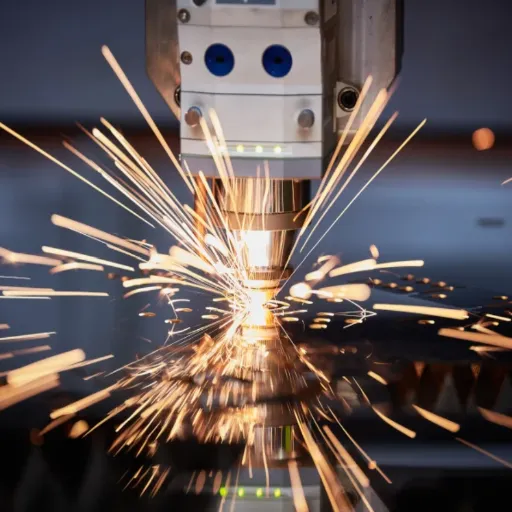
Laser cutting refers to an accurate and flexible, manufacturing process where a laser beam of high power is used to cut and engrave materials, all with an exceptional degree of accuracy. Through the use of focused light, the material gets either melted, burned or vaporized and thus sections are removed creating clean and intricate cuts. Laser cutting is very popular in the metalworking, automotive, aerospace, and other major industries along with the arts, crafts and fashion fields owing to its capability of working well with a broad range of materials namely metal, wood, plastic, and fabric.
As per recent search data, laser cutting is gaining popularity in small businesses and DIY projects. Information on how to buy inexpensive laser cutting machines, and tutorials on its applications are some of the things the users are looking for. This trend shows that laser cutting is gradually penetrating not only the industrial markets but also the consumer ones as a result of its precision, efficiency and scalability. With the passage of time and through the continuous engagement of technology, laser cutting will always be there as a source of new idea in design and production.
Key Differences Between Plasma and Laser Cutting

Performance Comparison: Speed and Efficiency
The comparison of the speed and efficiency between plasma cutting and laser cutting is not straightforward and requires considering several factors. The speed of plasma cutting is generally better for thicker materials, especially for steel and aluminum cutting of over half an inch thickness. The slicing-through of the metals quickly makes it a preferred option in industrial applications that need high productivity.
On the other hand, laser cutting is the winner when it comes to precision cutting and material usage efficiency for thin sheets of metals, typically under 0.5 inches, as well as for complex patterns and fine cuts. The high-tech laser cutting not only diminishes the amount of material that goes to waste considerably but also usually requires no processing at all, which results in higher efficiency. Laser cutting has attracted a lot of attention for such projects where detail and clean lines are of utmost importance while plasma cutting is the technique that gets chosen with heavy-duty applications demanding speed according to the latest research trends. Ultimately, the choice of one technique over the other is a function of material characteristics, project specifications, and desired outcomes.
Material Compatibility in Cutting Technologies
The most modern information coming from search trends is very instrumental in assisting to draw a picture of the users’ Tech preferences and concerns with respect to material compatibility. It seems that there is a strong demand for laser cutting with the likes of acrylic, wood, and thin metals since the searches for it have been very frequent. This leads one to think that laser cutting is the most popular method used to make detailed and artistic projects where high precision is required. On the other hand, searches for steel and aluminum plasma cutting have been more frequent which means that plasma cutting is more preferred in large-scale and fast industrial applications. The data clearly points out that laser cutting is the right one for delicate details and smooth surface finishes; however, in case of hard materials where speed and depth are the main factors, plasma cutting still keeps the upper hand. In brief, if one understands the advantages and disadvantages of each cutting method, one will be able to choose the best option depending on the material requirement and the goal of the project.
Precision and Quality of Cuts
The latest data reveals the precision and quality of cuts between laser and plasma cutting, showing that there are distinct benefits of each method based on their use cases. The quality of laser cutting is of the highest order and its precision is very high; its ability to produce intricate designs and very clean edges with almost no material distortion is almost unbelievable. It is very effective when applied to the very thin sheet metals, and when making products requiring very tight tolerances, like the electronics and automotive industries.
Conversely, plasma cutting is the method of choice when dealing with the cutting of thick and tough materials like steel and aluminum, where the consideration is mainly on speed and cutting depth. The technology used may not be as fine as that of laser cutting, but the edge quality and accuracy of plasma cutting have seen significant improvements due to technology advancements.
In the end, the choice between the two methods comes down to project requirements. Laser cutting is the perfect choice for very fine details and excellent finishes, while plasma cutting is the fastest and most efficient choice for heavy-duty tasks. Each of the two technologies has its source of supply and demand, and they can therefore be interchangeably used in different industrial applications or problems.
Cost Analysis of Cutting Technologies
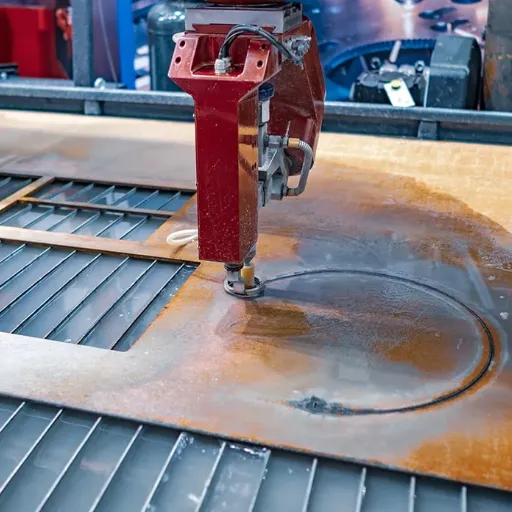
Initial Investment for Plasma vs Laser Cutting
The contrast in equipment costs clearly reveals the disparity in initial investments between plasma cutting and laser cutting. The prices of plasma cutting machines are dropping, with the lowest starting prices being between $15,000 and $30,000. On the other hand, for laser cutting machines, the price range shall start at $50,000 and go up to over $200,000 for the best ones, especially the fiber laser machines. The luxurious price of laser systems is mainly because of the technology used in their components and their exactness in operation.
Operating and Maintenance Costs
In the comparison of laser cutting and plasma cutting, one must take short-term and long-term factors into account to get a clear picture of the operating and maintenance costs of the two systems. Normally, laser cutting systems come with a high maintenance cost because of their sophisticated optics, laser replacement, and regular servicing by skilled personnel of the complex components. Conversely, plasma cutting operations have lower maintenance and upkeep costs; however, they need regularly refreshed consumable parts like electrode and nozzle replacements at a more frequent rate.
Recent statistics indicate that laser cutting systems, despite their high initial maintenance costs, are efficient in the long run due to their energy-saving and waste reduction capability, particularly in high-precision work and large production runs. Plasma cutters, on the other hand, are less expensive in terms of initial purchase and maintenance but can lead to considerable operational cost in cases where the precision requirement is high or cutting pattern is intricate. Ultimately, the decision rests on the user’s production ideas, financial limits, and specific application need.
Emerging Trends in Cutting Technologies
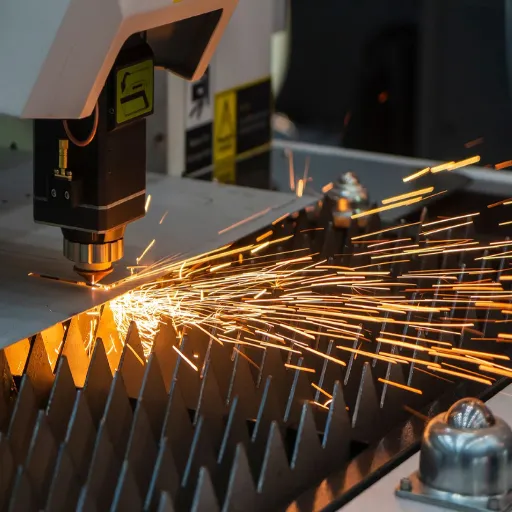
High-Power Laser Systems
High-power laser systems are changing the way industries operate by allowing for precise cutting, increased efficiency, and the ability to work on difficult materials. As per the most recent information from the search engine, laser power and beam quality improvements have made their use more prevalent in industries such as aerospace, automotive, and medical device manufacturing. These systems provide unmatched accuracy by concentrating a high-energy beam to make clean and precise cuts, even through difficult materials such as titanium and composites. Moreover, the developments such as fiber laser technology and adaptive control systems are also making them more applicable and less expensive, because they are meeting the demand of the industry for faster and more sustainable production processes.
Automation and IoT in Cutting Systems
The sectors that have automated and applied IoT technology smartly are the ones that have reaped the most functional and efficiency benefits. The IoT integration brings in not only the sensors but also data analytics that is done in real-time, thus, the systems can monitor the performance of the machines, foretell maintenance needs, and even change the cutting parameters optimally without any hassle. More so, the manual involvement in the machine operation is kept to a minimum, thus the output is more and the mistakes less. Take, for instance, the machines that are able to alter cutting speed and the laser intensity in real-time according to the material being worked on, thus precision is guaranteed and waste is reduced. The combination of these breakthroughs coincides with the industry’s increasing requirement for manufacturing processes that are smarter and more interconnected.
Sustainability in Cutting Technologies
Sustainability is a significant trend in the cutting technologies of today’s world, as it has become a critical area of focus. The state-of-the-art solutions are cutting down their carbon footprint by incorporating energy savings and conserving resources. Cutting, for instance, laser cutting machines have turned to power settings that take up to 90% less energy while still performing at the same level. Moreover, high-tech recycling units are giving manufacturers a second life for their unused materials, so there is less waste produced overall. The search engine’s recent data indicates that there is an increasing tendency to implement water jet cutting technologies that use filtered water, thereby minimizing the carbon footprint even less. In the face of these technological and other innovations, the manufacturing industry is helping achieve the sustainability goals set by the planet and thus a greener future is guaranteed.
How to Decide: Factors to Consider
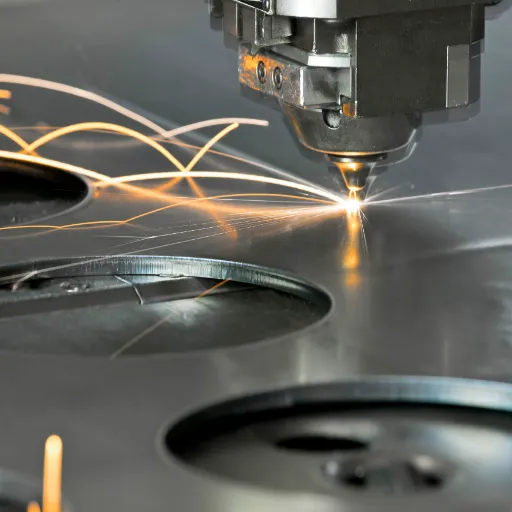
Project Requirements for Cutting
Choosing a cutting technique for your project needs the evaluation of the material type, thickness, precision, and environmental impact first. Waterjet cutting, for instance, is going to be the recommended method for cutting metal, glass, and composite materials. One of the main reasons is that the cutting does not produce heat that changes the material properties so it results in a clean and accurate cut. The most up-to-date information according to ‘s search engine is that the companies are increasingly moving along the path of waterjet cutting technology that uses recycled water because it is a win-win situation in terms of sustainability and being up to the mark. By evaluating both the technical and the environmental aspects you can select the cutting method that best suits your project in an effective and responsible way.
Budget Constraints in Choosing a Cutting Method
When comparing cutting methods with budget constraints the most important thing is to balance the cost efficiency with the performance and the environmental friendliness. As per the information from ‘s search engine, it appears that the business is placing more emphasis on the cutting methods like waterjet that while initially expensive can end up being cheaper in the long run due to less wastage and the use of recycled water. In the case of comparing this with laser cutting it can be seen that even if lasers can have lower operational costs for some applications they might still not be able to comply with very stringent environmental goals. Thus the question of which cutting method to go for with respect to budget involves a comprehensive approach, which means not only looking at the initial costs but, at the same time, taking into account the efficiency over time, the interaction with sustainability targets, and the performance demands of the project.
Production Volume and Speed Needs
Inquiring into the production volume and speed needs the question of the trade-off between efficiency and quality must be addressed. Large production volumes usually require faster cutting methods such as plasma or automated laser cutting, which provide speed together with precision. The latest figures from ‘s search trends reveal that laser cutting is quickly becoming the method of choice for precision at scale, particularly in automotive and electronics manufacturing. However, even though laser cutting holds the competitive edge in speed and regularity for mass projects, its applicability may be less for such materials as those having extreme thicknesses or those that are highly reflective. The answer to the question of which method to select lies in thorough consideration of the material specifications of the project, the throughput desired, and the technologies available for performance optimization.
Frequently Asked Questions
What are the main distinctions in cutting processes when it comes to laser cutting versus plasma cutting?
Both laser cutting and plasma cutting are characterized as thermal cutting methods. However, they differ significantly in their respective workings, to some extent, in areas like speed, precision, and the materials that can be processed effectively. Moreover, in such a scenario where one way of cutting is preferred for thinner materials, the other can easily handle the thickest cuts.
How does fiber laser cutting stack up against conventional plasma cutting?
Laser cutting based on fiber optics produces the strongest beam of light which is the most effective source laser for metal cutting and the least distorting of the thermal influences on the workpiece. Moreover, the process is best for cutting stainless steel and other metals in high precision while placing less heat on the cut area. Plus, the time taken for the cutting done by the fiber laser has also been shortened when compared to that for cutting done by plasma, thus the choice between fiber laser and conventional plasma cutting will depend on the specific project requirements.
Under what circumstances should one opt for plasma cutting systems instead of laser cutting machines?
The choice of plasma cutting systems rather than laser cutting machines is determined by several factors such as the material thickness, the metal type, and the cut quality needed. Plasma cutting is mainly intended for cutting through thicker materials, while the operation can sometimes be slower than laser cutting. Regardless, the cut produced may not equal the one from laser cutting. If the related project permits the use of thicker metals or requires a faster cutting speed, then plasma cutting will probably be the right option. On the other hand, if precision and fine cuts are the primary interests, then laser technology would be the most suitable one.
Can cutting machines using either lasers or plasma perform cutting of intricate designs?
The comparison between plasma cutting and laser cutting in terms of intricate designs clearly shows that the latter has the upper hand due to its very high precision and its capacity to create absolutely clean edges. One usual disadvantage of laser cutting is very small heat distortion which is, nonetheless, important for shaping the details of the entire pattern and keeping its integrity. Plasma cutting may, in general, be performed over a wide range of cutting operations, though, when it comes to intricate designs, it may be a little more challenging owing to its lower accuracy. However, the development of high-definition plasma cutting technology has greatly improved its capabilities in this respect. At the end of the day, the option of technology should fit the particular design needs and the types of materials used in the project.
What are the differences in laser cutting and plasma cutting when it comes to materials?
Laser cutting presents the possibility to process a set of materials that encompass stainless steel, aluminum, and plastics, especially in thinner dimensions. Fiber laser cutters’ incredible performance in the cutting of metals accurately can be a plus point of this technique. By contrast, plasma cutting systems’ capability of cutting thicker materials also serves as their main working area as they deal with mild steel and other metals together definitely “being the best” in those industrial applications. Hence, both methods have their pros and cons, and the thickness and kind of the material to be cut will dictate the selection of the cutting technology.
Reference Sources
- Ball State University: This page provides insights into industrial cutting machines, including laser and plasma cutters. Visit the source.
- Rice University (ENGI 210 Blog): A detailed comparison of plasma cutting and laser cutting, including technical aspects. Visit the source.
- BMCC Makerspace: Discusses the differences and applications of laser and plasma cutting technologies. Visit the source.