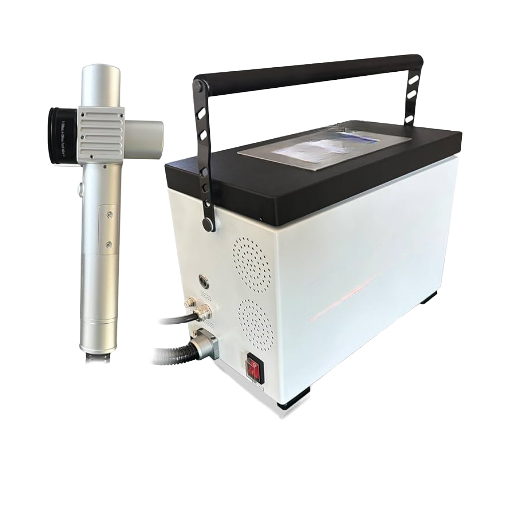
Modern metal cleaning goes far back now, and one such breakthrough is laser rust removal. This technology obliterates contaminants from metal surfaces, such as rust, dirt, and dust, using laser power-high-frequency infrared lasers-without damaging the surface. Unlike abrasive methods of the past, laser cleaning is fast, green, and highly efficient: hence, pan-industrial from auto repair to aerospace.
Introduction to Laser Cleaning
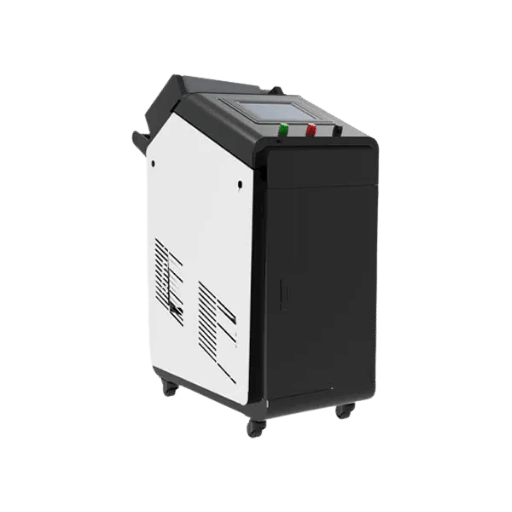
Laser cleaning is a novel technique for performing the well-known cleaning job through a focused laser beam applied on the surface of contaminants or coatings or unwanted materials. Dirt, rust, paint, or any other undesirable material is treated with a beam of laser either to break it down or to wash it away, always preferably without affecting the surface underneath. Being a dry process, it allows better control, generates less waste, and is environmentally friendly, making it a favorite choice, particularly in automotive, manufacturing, and aerospace-related points.
What is Laser Cleaning?
Laser cleaning is an advanced technology used for the removal of contaminants, coatings, or impurities from a surface through the application of high-intensity laser beams. This innovative process exploits the principles of laser-material interaction, where short-pulsed or continuous-wave lasers are directed at the surface to selectively remove unwanted substances.
Key Features:
- Does not require abrasive materials or chemical solvents to operate
- Considerably more eco-friendly and cleaner to use
- Guaranteed consistency of results while also preserving the base material integrity
Overview of Laser Rust Removal Technology
Laser rust removal technology, which uses highly concentrated streams of laser light, tends to remove rust and oxide layers, admittedly to a great extent, in a very precise and efficient manner. The system operates with the laser directed at the surface in question by high-energy pulses that immediately vaporize the rust without causing damage to the base. The method is considered an excellent one to remove rust quickly from any metal surface, while being equally environment-friendly and low-maintenance, in opposition to classic means of rust removal involving chemicals or abrasive blasting.
Benefits of Laser Cleaning for Metal Surfaces
🎯 Precision and Control
With maximum control over the amounts of material removed, one can ensure that only undesirable layers of contaminants are taken off and that the underlying metal surface stays unaffected.
🌱 Environmentally Friendly
Minimal waste is generated. No harmful chemicals are used in this process. Hence, it is environment-friendly.
⚡ High Efficiency
The process is fast and effective; huge areas or delicate details are easily manageable.
💰 Budget-Friendly
Cost of consumables is reduced and also means low costs of operation on a longer term.
📋 Complete Benefits Checklist:
- ✅ Non-Contact Process
- ✅ Low Maintenance Requirements
- ✅ Customizable Power Settings
- ✅ Improved Safety Standards
- ✅ Versatile Applications
- ✅ Excellent Repeatability
How Laser Cleaning Works
The Science Behind Laser Rust Removal
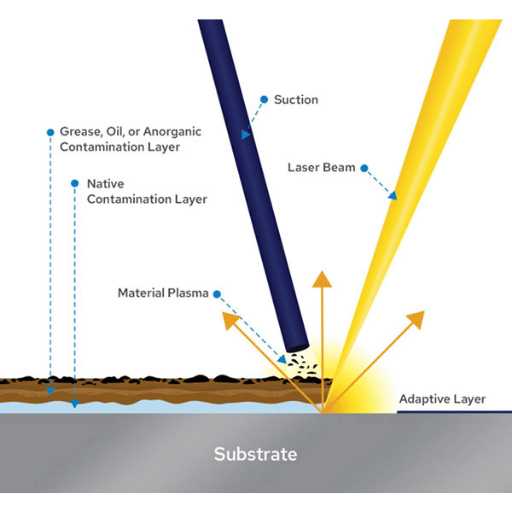
Rust is removed by some people using a laser, which directs a very high-power beam on the rusty surface. Depending on the amount of energy of the laser, the rust gets heated and vaporized without damaging the material which lies beneath. This method uses a principle called laser ablation, in which the wavelength and energy of the laser are chosen to be absorbed only by the target-rust.
Types of Lasers Used in Cleaning Applications
Comparison: Pulsed Laser vs. Continuous Wave Laser
Advantages of Laser Cleaning Over Traditional Methods
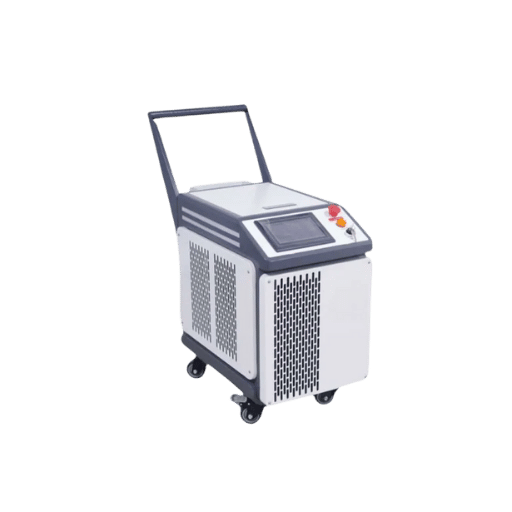
Efficiency and Speed of Laser Rust Removal
Laser rust removal is more effective and faster than usual processes such as sandblasting or chemical treatment. The focused laser beam targets only the rust layers and does not damage the underlying material, cleaning the surface in less time. This method is far less labor-intensive and does not require the use of consumables like abrasive media or chemicals.
Environmental Benefits of Laser Cleaning
- Reducing hazardous waste is important: Unlike chemical methods of cleaning, laser cleaning does not create any toxic wastes or require their disposal.
- Release of abrasive media: This process frees abrasive media such as sand and grit, thereby conserving resources.
- Lesser Consumption of Water: Laser cleaning does not use water and cannot produce polluted runoff.
- Energy Competency: Cutter heads of newer laser systems consume very little energy compared to other methods of industrial cleaning.
- Non-invasive: Because its application is so localized, it does not affect nearby areas.
- Safe substitute for chemicals: It prevents the use of chemical solvents that emit VOCs.
Industrial Applications of Laser Cleaning Machines
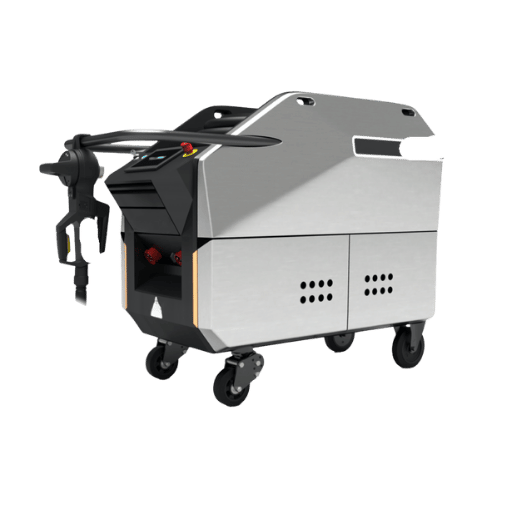
Portable Laser Cleaners for On-Site Rust Removal
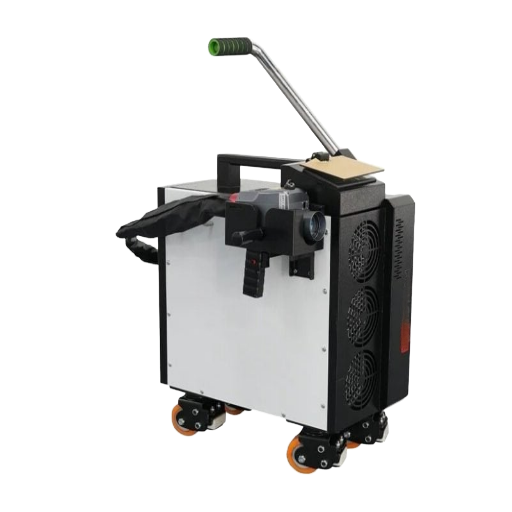
Portable laser cleaners are non-invasive rust removal methods used on-site. Focused laser beams are applied to the rust, dirt, or other contaminants cluttering the metal surfaces, causing vaporization without affecting the base metals. Being characterized by portability, these systems are suitable for use in field applications, maintenance work, or industrial maintenance wherever mobility is needed.
Laser Cleaning in Automotive and Aerospace Industries
🚗 Automotive sector
- Paint stripping
- Rust cleaning
- Surface preparation for welding
- Damage-free high-quality finish
✈️ Aerospace Industry
- Maintenance of aircraft components
- Removal of coatings and oxides
- Safety and compliance standards
- Safety and compliance standards
Comparing Laser Cleaning to Other Rust Removal Techniques
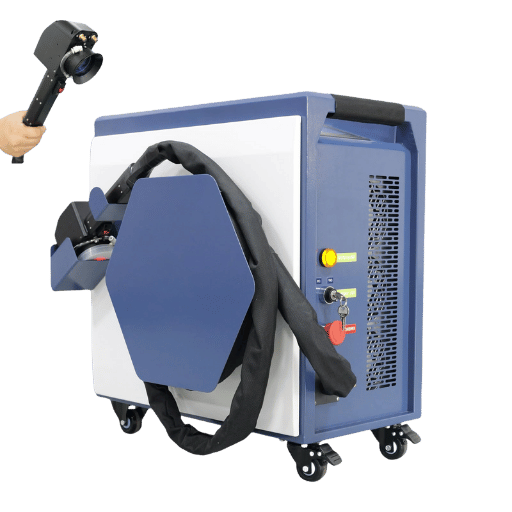
Mechanical vs. Chemical vs. Laser Methods
Advantages of Handheld Laser Cleaners
🔧 Key Advantages:
- 🎯 High Precision: Top spot working with minimal disruption to contouring material around the area
- 🚫 Non-Abrasive: Not creating wear or abrasion on the surface being cleaned
- 🌿 Eco-Friendly: Being environmentally conscious with near-zero waste or residues
- ⚡ Speed & Efficiency: In terms of time, polishing with DTG is much faster.
- 🔄 Versatility: Suitable for metals, stone, and composites
- 🛡️ Versatility: Suitable for all metal, stone, and composite materials
- 💰 Safety: One who uses DTG is well-protected from hazardous debris or chemicals.
- 🤲 Cost-Effective: Lower long-run costs as one has to buy very few consumables
- ✅ Consistency: Would produce results equally each time
Case Studies and Successful Implementations
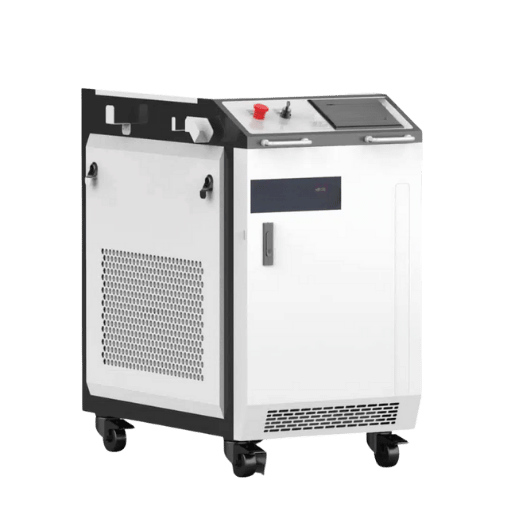
Real-World Examples of Laser Cleaning Projects
✈️ Aviation Industry Application
Companies like Lufthansa Technik have adopted laser cleaning for the maintenance of various aircraft components, such as removing corrosion, paint coatings, and contaminants from aluminum and titanium surfaces.
🏛️ Restoration of Historical Monuments
Historically, sculptures ofMichelangelo in Florence and other ancient stone structures have been cleaned by laser ablation controlled for the precise removal of dirt and pollutants.
🚗 Automotive Industry Advancements
Laser cleaning is used as pre-treatment for welding and adhesive bonding by Ford and BMW to strip off oxides and other contaminants, such as oil.
Cleaning in harsher industrial domains accounts for all rust as also biofouling of ship hulls and marine equipment. Laser systems offer waterless operations with no chemical byproduct.
Before and After: Visual Impact of Laser Rust Removal
🔄 Transformation Results:
⚫ BEFORE Treatment:
- Covered thickly by rust and corrosion
- Very rough with an uneven texture
- Compromised material integrity
✨ AFTER Treatment:
- Smooth; clean surface revealed
- Dry; ready for painting or coating exercises
- Enhanced in terms of functionality and lives longer
Industry Feedback on Laser Cleaners
📊 Industry Testimonials:
Future Trends in Laser Cleaning Technology
Innovations on the Horizon
⚡ Faster Processing
Improved speed
🤲 Non-Contact Flexibility
Advanced positioning systems
🎯 Ultrashort Pulses
High-precision laser bursts
🌱 Eco-Friendly
Sustainable fabrication
Predicted Growth in Industrial Applications
- Automotive Industry: With increased applications in rust and paint removal, and the cleaning of precise components.
- Aerospace Sector: Being introduced for the cleaning of delicate materials and for maintenance downtimes.
- Electronics Manufacturing: Being integrated for cleaning circuit boards and microelectronics preparation.
- Cultural Heritage Restoration: Expanding in cleaning historical artifacts without damage.
- Shipbuilding Sector: The use of paint and rust removal with reduced environmental impact.
- Medical Sector: Used in cleaning surgical tools in sterile environments.
- Energy Sector: Applications include cleaning pipelines, turbines, and solar panels.
- General Manufacturing: Common use for surface preparation and contaminant reduction.
The Role of Automation in Laser Rust Removal
In preindustrial cleaning processes, anomalies exist in final-product machineries and hence in the increased operation of the laser rust removal system for accuracy, speed, and consistency. The interplay of robotic systems or automated platforms decreases the laser-rust-removal system’s dependency on human errors so that treatment may be consistently applied to similar-type surfaces. It works best in scenarios where one has to deal with enormous objects or extremely complex surface geometries, with manual operation being less satisfactory.
🔧 Advantages of Automation:
- Minimized operator exposure to hazardous environments
- Enhanced standards of safety at work
- Faster, more reliable, and cost-effective solutions
Frequently Asked Questions (FAQs)
Conclusion
🚀 The Future is Here: Laser Cleaning Technology
In the industrial surface treatment realm, laser cleaning technology represents a revolutionary concept in western development concerning accuracy, efficiency, and environmental aspects. Be it automotive manufacturing or historical preservation, the said innovation has proven to be superior to traditional methods-in terms of costs, considered safety, and final results.
✨ Key Takeaways:
- Non-contact, environmentally friendly cleaning solution
- A greater degree of accuracy than mechanical and chemical methods can offer
- Industry-wise applications
- An apt solution when value for money under consideration
- Constant innovation for future automation and efficiency
With time and new technological innovations, laser cleaning is going to be set up as the new standard in industrial surface preparation, setting new standards for quality, safety, and environmental responsibility.
📚 Reference Sources
- Laser analysis and cleaning applications of the Islamic marine archaeological coins excavated from the Red Sea.
Read the paper here. - Ultra-short pulsed laser surface processing and decontamination
Read the paper here - Sterilization of Metal Surfaces for Planetary Protection via Laser Treatment with Ultrashort Pulses
Access the paper here