Laser Cut Plastic: Precision, Efficiency, and Sustainability in Laser Cutting and Engraving
The versatility of plastic has brought innovation to several industries while also taking into consideration attributes like durability and the cost of production. Centrally, it has the seeds for a new thrilling dimension of design and cutting machinery. Laser cutting and engraving fulfill those demands with fast and precise shaping and engraving of plastics. Besides on-site precision and design freedom, this cutting system is certified eco-friendly because it cuts down on material waste, thus earning preference with professionals across industries.
Introduction to Laser Cutting Plastic
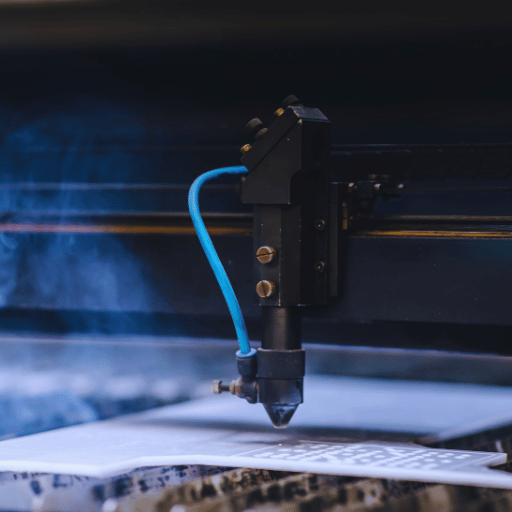
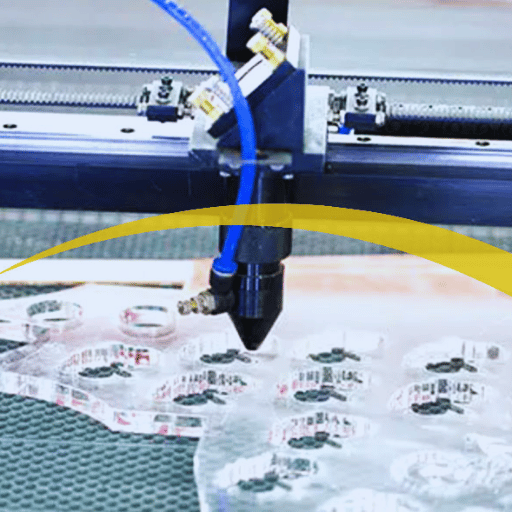
Laser cutting of plastic materials is a highly precise and effective process where material is cut and engraved with incredible accuracy by means of a focused laser beam. The laser technology cuts clean edges with minimal wastage and can work efficiently with complicated layouts. It would be best suited for cutting plastics such as acrylic, polycarbonate, and PETG, and hence makes it very versatile with regard to industries and applications.
Main Advantage: Since laser cutting is an entirely non-contact operation, it employs excellent accuracy to sculpt the material without damage. It can therefore be automated fully for higher project throughput levels, while providing very repeatable results.
Overview of Laser Cutting Technology
Laser cutting technology combines precision, speed, and versatility – qualities essential across multiple industry branches. The technology excels at cutting components with minimal error and very little material waste. Consider when automation is introduced: these lasers produce definite results with the least manual control.
- Material Versatility: Works with plastics, metals, and composites without discrimination
- Non-Contact Process: Offers low risk of unwanted deformation or thermal damage
Growing Popularity of Laser-Cut Plastic
The laser-cut plastics offer accuracy, a wide variety of applications, and price efficiency. Modern laser cutting considers extremely delicate designs, from automotive to electronics to packaging applications. The ability of the technology to work with different types of plastics-Acrylic, Polycarbonate, and PET-also propels it in becoming a mainstream application in different manufacturing processes.
Benefits of Laser Cutting and Engraving
Spot-on precision for intricate design work down to the fractions of millimeters
Can be leveraged on various materials, including metals, plastics, wood, leather, and glass
Wastage and labor costs go down with precise working and automation.
Operates faster than conventional cutting methods, providing higher production efficiency
Enables production of customized designs for both prototyping and on-demand manufacturing
Creates clean cuts with minimal surface finishing requirements
Prevents physical damage to materials, ideal for delicate cutting applications
Generates reduced waste levels and consumes less energy than mechanical methods
Benefits of Laser-Cut Plastic
High Precision and Accuracy in Designs
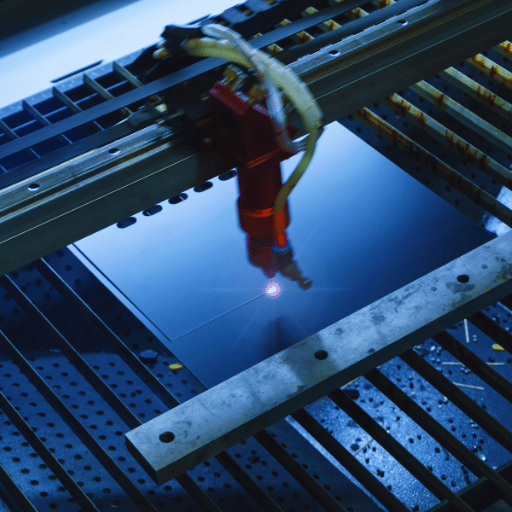
For plastic laser cutting, one requires excellent precision and accuracy for complex designs. High-energy laser beams would disintegrate plastic with absolute precision, yielding clear edges and immaculate detailing, even for the most convoluted designs. This precision translates to efficient material use and eliminates secondary finishing operations. The capability to reproduce exact specifications on every piece ensures output conformity, making it highly favored in industries maintaining the highest precision standards, such as electronics and medical devices.
Minimal Material Waste and Eco-Friendly Processes
Laser cutting efficiently wastes minimal material and has an eco-friendly nature. High precision conserves raw materials and prevents energy costs for waste disposal or handling. The process avoids any heat-affected zones (HAZ), thereby circumventing additional chemical treatments or even energy-intensive cooling treatments, while sustaining manufacturing.
Versatility Across Different Plastic Types
From laser cutting installation, this technology holds paramount importance due to its ability to process various types of plastic. Laser cutting is capable of processing a wide variety of materials, from thermoplastics such as PVC, nylon, and polyethylene, to thermosets like epoxy and phenolic resins, with tight tolerances and consistent production rates.
Industry Impact: The ability to cut anything makes it a major centre of fabrication for automotive manufacturers, electronics, and medical devices industries, for whom custom plastic parts are the valve of operations.
Top Applications of Laser-Cut Plastic Across Industries
Manufacturing: Prototyping and Custom Parts
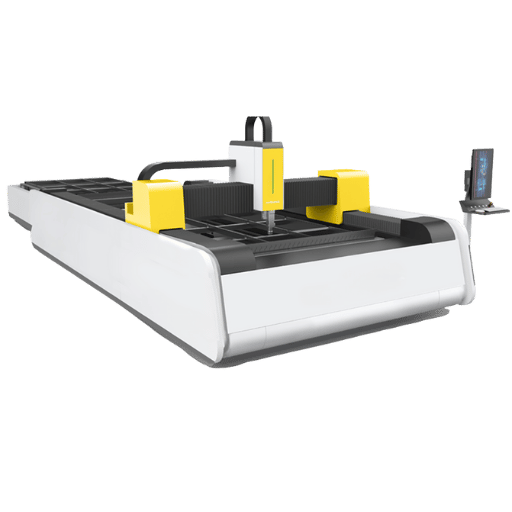
Some attributes guaranteeing increased adoption are geared especially toward the production of prototypes and custom parts:
- Intricate Design Creation: Manufacturers can create complex designs with tight tolerances.
- Prototyping Precision: Essential for the design of work, assurance that it is a proper configuration
- Materials Versatility: Its use applies to making plastics in acrylic, polycarbonate, and polyethylene
- Fast Prototyping: Increasing demand for suitably fast, cheap design solutions
Benefiting Industries: Automotive, Aerospace, and Consumer Electronics
Retail: Signage, Displays, and Packaging
- Signage: Durable and precise custom sign-making for storefronts and directional signs with functional and aesthetic appeal
- Displays: Point-of-purchase displays ensuring strong visual appeal and adaptability to various branding requirements
- Packaging: Lightweight protective packaging shaped for enhanced product presentation and durability
Healthcare: Medical Devices and Equipment
Plastics, literally given, serve as raw materials for medical devices and equipment. With their inherent properties of versatility, strength, and sterilizing ability, they are used in high-end applications such as syringes, IV bags, surgical instruments, and implantable devices.
Industry Trend: Recent advances in polymer technology, coupled with the relentless need to have a lighter and cost-effective class of materials, have put innovations in the healthcare sector on the front burner. Growing interests in biodegradable and biocompatible plastics portend the increased realization of sustainability in medical manufacturing.
Choosing the Best Plastics for Laser Cutting
Overview of Laser-Compatible Plastics
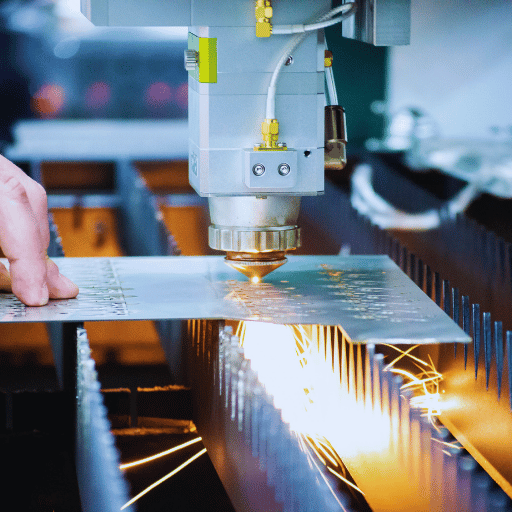
Laser-compatible plastics are those that can undergo perfect cutting by means of laser techniques. These materials must possess thermal stability, an appropriate melting point, and clean, burr-free edges during the laser cutting process.
Common Laser-Compatible Plastics:
- Acrylic: It is good for cutting with clear designs since it allows light through.
- Polycarbonates: They confer toughness and impact resistance.
- ABS Plastic: It confers durability and finer results for better design work.
IMPORTANT SAFETY NOTE: Care must be taken in choosing the plastics for laser cutting to keep the materials free from any more harmful chemical substances that would emit toxic fumes during processing. The right material choice results in good cuts, while the choice of unsafe processes goes counter to health considerations and even industry standards.
Factors to Consider When Selecting Plastic
Essential Selection Criteria:
- Material Composition: Ensure that plastics do not contain any substances or impurities that could be harmful.
- Durability Requirements: Analyze various traits related to strength, impact resistance, etc., with respect to application requirements.
- Heat-Resistance: Assess whether the heat treatment can be properly done or will cause distortion.
- Precision and Workability: Consider if it can be employed to design highly detailed or intricate items.
- Environmental Compatibility: Must provide for or abide by environmental regulations and sustainability.
- Cost-Effectiveness: Enhance quality and performance in view of the budget for the project.
- Weight Considerations: Assess lightweight options for ease of handling and transport.
- Aesthetic Properties: Take into account color, transparency, or gloss requirements.
- Chemical Resistance: Ensure resistance during anticipated chemical exposure.
- Standards and Certifications: Check requirements against industry standards.
Common Challenges in Laser Cutting Plastic
| Challenge | Details |
|---|---|
| Heat Distortion | Warping from excessive heat |
| Toxic Fumes | Harmful gas emissions |
| Material Melting | Overheating during cutting |
| Uneven Edges | Poor calibration issues |
| Blowouts | High laser power problems |
| Discoloration | Impure assist gas effects |
| Kerf Width | Improper gas pressure |
| Fume Extraction | Essential for safety |
| Plastic Suitability | Not all plastics are safe |
| Calibration | Critical for precision |
Advancements in Laser Cutting Technology
Latest Technological Innovations
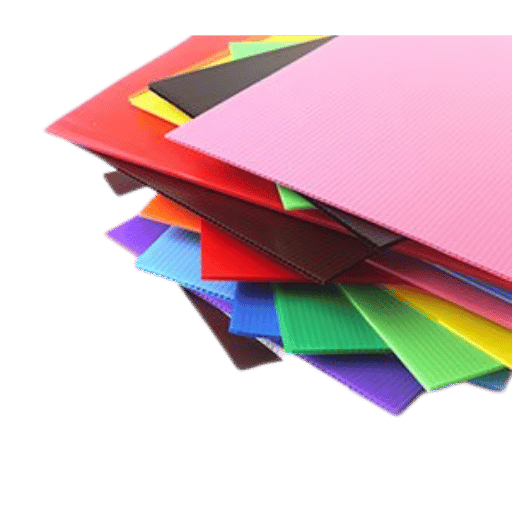
Recent innovations in laser technology include dual-comb spectroscopy for rapid gas analysis, integration of CO2 and fiber lasers into unified systems, advancement of quantum encryption, and high-power diode optimization.
Safety and Efficiency Improvements
Modern laser cutting technologies have shifted toward increasing production efficiency while prioritizing user safety:
- Automated Material Handling: Reduces production downtime and simplifies workflow
- Advanced Beam Delivery Systems: Provide better refinement and cut quality
- Enhanced Safety Features: Fume extraction systems and protective enclosures
- Touchless Calibrations: Eliminate manual interventions, reducing errors and maintaining consistent performance
Impact on Fabrication Costs
Laser cutting advancements have significantly reduced plastic fabrication costs through:
- Higher precision results in minimal material waste
- Automation features reduce workforce requirements
- Integrated safety systems reduce accidental damage and downtime
- Overall operational efficiency improvements
How Laser-Cut Plastic Supports Sustainable Manufacturing
Reduction of Material Waste and Energy Consumption
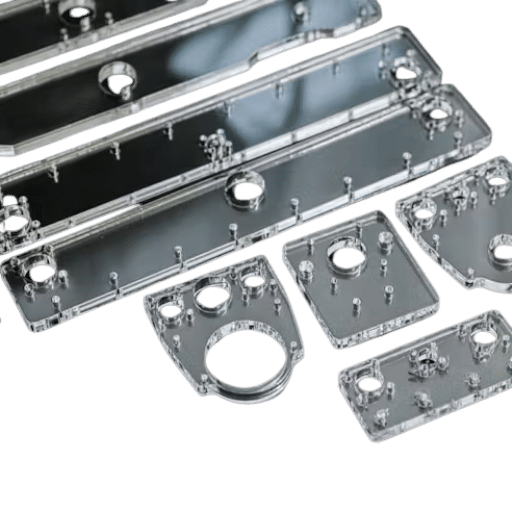
This sustainable manufacturing practice in laser cutting minimizes waste and energy consumption. Focusing precision on the material, the principle implements optimized use, which minimizes offcuts and scrap. With higher energy efficiency in modern laser-cutting machines than traditional cutting methods, it supports sustainability goals, thus keeping an environmental impact to a minimum.
Use of Recyclable and Biodegradable Plastics
Use of recyclable and biodegradable plastics considerably diminishes the environmental footprint and strengthens sustainability. The materials lessen the landfilling and ocean floating of plastic wastes and pave greener avenues for their applications. Recyclable plastics conserve materials and promote the circular economy, while biodegradable plastics avert the unwanted permanent pollution through natural decomposition.
Contribution to Circular Economy Initiatives
Circular Economy Impact: The inclusion of recyclable and biodegradable plastics stands as a chief pillar in the initiatives of the circular economy. More than 370 million metric tons of plastic are manufactured every year, with approximately 9% of them being recycled. Hence, using materials designed for recycling banishes the industries from virgin raw material dependency for conserving energy and raw materials.
The biodegradable plastic must satisfy stringent environmental criteria and, thereby, cause the least possible harm by getting biodegraded quickly. This becomes the skeleton for the valorization of wastes, closed-loop production cycles, and lower environmental footprints, all necessary ingredients for a strong and sustainable circular economy.
DIY Laser Cutting: Tips and Tricks for Beginners
Overview of Affordable Laser Cutting Machines
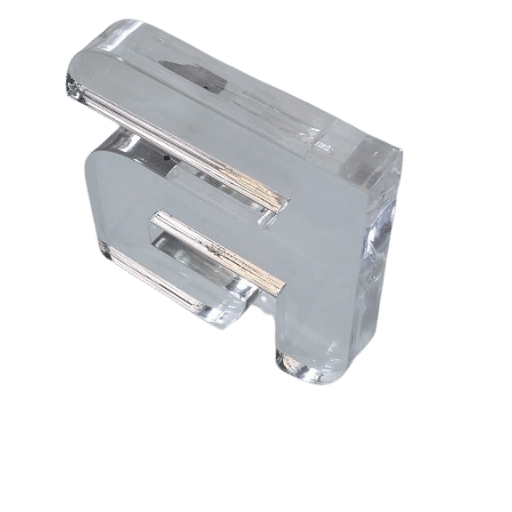
Affordable laser-cutting machines have given precision cutting and engraving capabilities to the hobbyist and small operators. For entry-level uses, the diode and CO2 laser cutters find favour because they are not expensive and are quite user-friendly.
Popular Entry-Level Options:
- Ortur Laser Master Series: Easy to use, with fair cutting power provided
- Glowforge Basic: Easy to use with full gooey software
- Materials Compatibility: Wood, acrylic, and leather are possible materials.
A few considerations to make: factoring in the compatibility of the cutter with materials, cutting width, maintenance cost in the future, and application requirements.
Safety Precautions and Best Practices
Essential Safety Guidelines:
- Eye Protection: Always use laser goggles appropriate for the wavelength of your laser.
- Proper Ventilation: Have local exhaust ventilation systems installed in work areas.
- Material Safety: Be wary of flame propagation and toxic fumes-giving materials-never use PVC.
- Regular Maintenance: Periodic cleaning of the equipment is important to remove dirt and make it less prone to fire hazards.
- Constant Supervision: One must not leave any laser cutting operations without supervision.
- Follow Manufacturer Guidelines: Adhere to all manufacturing instructions for carrying out operations and maintenance.
Creative Project Ideas for Beginners
Beginner-Friendly Projects:
- Coasters with Custom Engravings: Use wood or cork, which are simple designs, patterns, or initials.
- Personalized Keychains: Laser-cut acrylic or wood into special shapes containing names or simple images.
- Decorative Signage: Small wooden or acrylic signs are made, engraved with quotes or seasonal motifs.
- Gift Tags: Intricate tags made out of cardstock and wood, or acrylic.
- Simple Puzzles: Wooden or acrylic jigsaw puzzles for precision cutting practice
Frequently Asked Questions (FAQs)
Q: Which plastics are the best for laser cutting?
A: These plastics allow the laser cutter to produce the highest possible finish. The plastic will absorb the heat; however, it cannot handle much, which is crucial to consider in laser processing applications. This includes acrylic, polycarbonate, ABS plastic, and PVC. Acrylic sheets, because of their clarity and versatility, are among the most used. ABS is used mostly because of its impact resistance. Selecting the optimal type of plastic will allow the laser cutting process to give you the best results.
Q: How does laser cutting work?
A: Laser cutting of plastics is the process wherein a laser beam is focused very narrowly so that it melts or vaporizes the plastic material. The laser power and speed vary depending on the thickness and precision required. Using laser-cutting technology, plastic materials can be cut into intricate designs and customized shapes for various applications.
Q: Can all types of plastics be cut by a CO2 laser?
A: No, a carbon dioxide laser cannot cut all types of plastic. Though the CO2 laser cuts acrylic and wood very well, certain plastics, like PVC, will give off toxic fumes when cut. One must work with a material suitable for laser cutting so that no harmful fumes can arise into the atmosphere, which would cause aesthetic damage in its use.
Q: What thickness of plastic can be cut with a laser?
A: The thickness of plastic that can be cut with a laser system depends upon the type of laser system wielded and the material. Usually, a CO2 laser can cut plastic up to 1/2 inch thick, but a fiber laser might be more efficient with thinner materials. Always check the specifications of your laser cutter to see the maximum thickness one can work with for best results.
Q: What is the difference between laser cutting and engraving plastic?
A: Laser cutting is about cutting out material from a plastic sheet to obtain a particular shape, while laser engraving refers to marking or etching on the surface of the material without actually cutting the sheet. Both processes use a laser beam, but each is designed for different purposes in plastic work. Engraving can go on to add more depth and detail to its designs, whereas cutting gives the actual shapes.
Q: What are the precautions when laser cutting plastic?
A: When laser cutting plastic, it is imperative to take the safety precautions. Make sure you keep proper ventilation so that you don’t inhale toxic fumes. Some types of plastic, such as PVC, may give off toxic fumes. Always wear protective eyewear to guard your eyes against damage. Do not keep any flammable materials nearby. Try to learn the safety features of the laser machine and comply with all operational procedures.
Q: Can I engrave acrylic sheets?
A: Sure, acrylic sheets are perfectly acceptable materials for laser engraving. It will take a design, either intricate or detailed, and faithfully reproduce it on the surface of the acrylic, which ultimately leads to some pretty and usable products. Accuracy is achieved when applying the laser engraver to the acrylic with emphasis on correct speed and power settings.
Q: What various projects can I fabricate by using a laser cutter on plastics?
A: A plethora of projects can be realized with laser cutting on plastics, including the making of custom signs, stencils, prototypes, or even decorative pieces. On another note, in industrial applications, laser cutting can be used for plastic parts and components, too. Thus, its versatility puts it right at the top of the list for hobbyists as well as professionals alike.
Q: Are there any plastic materials that cannot be cut with a laser?
A: Yes, certain plastic materials present a hazard to laser cutting due to the fumes released by heating the material. One such material is PVC for laser cutting. It is thus crucial to research the properties of the plastic you plan to use so that you can be sure of safe and effective cutting.
Reference Sources
- Cutting Parameters – University of Pennsylvania: This page describes the best plastics for laser cutting, like acrylic, and sheds light on the cutting parameters.
- Laser Cutter Materials Page – SAIC Advanced Output Center: It offers the list of allowed plastics for laser cutting, along with best practices.
- Plastic