The importance of preparing the surface of materials and removing the rust from them is needed in many sectors. The traditional methods, unfortunately, fail to meet the efficiency and accuracy standards—don’t forget about their environmental impact. Laser blasting has emerged as the most efficient and accurate technology available today to solve these problems. This method is based on the use of high-intensity lasers and materials to achieve very precise results. Laser blasting has the potential to solve and redefine virtually every known entity that uses laser treatment, for example, extending the operational time of industrial factories, delivering cleaner surfaces for various products, and supporting the widespread move of companies to a greener environment. This article will examine the logic, goal attainment, and the emerging benefits of this technology as a promising cure to known treatment limitations for companies.
Introduction to Laser Blasting Technology
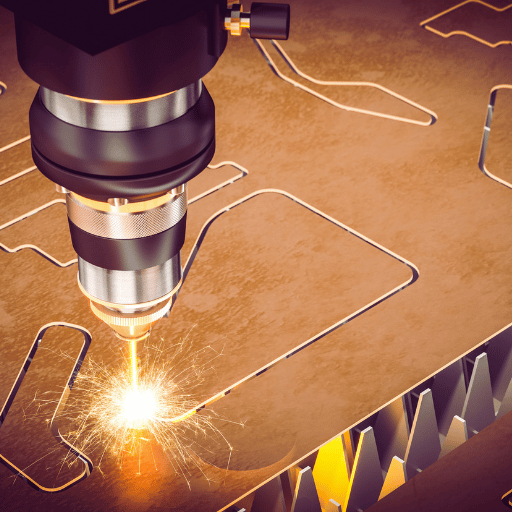
Utilization of laser technology in the cleaning and removal of impurities and deposits from different surfaces has become mainstream. The technology allows users to ablate impurities or coatings with absolutely no damage to the underlying material. Laser technology is also exceedingly effective in the area of restoration work, which includes cleaning, rejuvenation, and ensuring the preservation of impurities.
Industries Benefiting Most from Laser Technology:
- Aerospace: Precision cleaning of critical components
- Automotive: Paint removal and surface preparation
- Manufacturing: Industrial cleaning techniques to protect and maintain surfaces
- Heritage Preservation: Gentle recovery and maintenance of historical objects
Basic Principles of Laser Blasting
Laser blasting, also referred to as laser ablation or laser cleaning, is a non-contact technology that uses high-powered laser beams to ablate or vaporize surface contaminants, rust, and coatings. This process removes unwanted materials without causing damage to the underlying substrate.
How Laser Ablation and Cleaning Work
The effectiveness of laser cleaning depends on several key factors:
- Laser wavelength: Determines absorption characteristics
- Pulse duration: Controls energy delivery timing
- Material properties: Physicochemical characteristics of the target surface
- Power density: Energy concentration per unit area
These parameters can be precisely tuned to achieve controlled and accurate cleaning, making the method ideal for applications requiring material protection and surface integrity preservation.
Comparison With Traditional Methods
| Parameter | Laser Blasting | Abrasive Blasting |
|---|---|---|
| Precision | High, non-contact | Low, abrasive |
| Surface Impact | Minimal | High, risk of damage |
| Environmental Impact | Eco-friendly, low waste | Dusty, high waste |
| Safety | Safer, no chemicals | Risky, dust exposure |
| Cost Structure | High initial, low long-term | Low initial, high ongoing |
| Efficiency | Fast, precise | Time-consuming |
| Best Applications | Delicate surfaces | Heavy-duty cleaning |
Applications of Laser Cleaning Across Industries
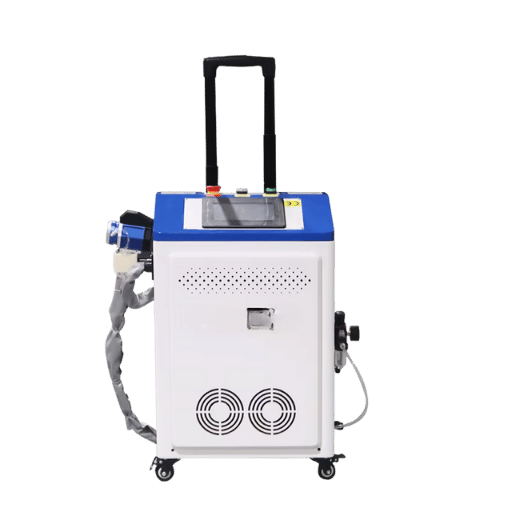
Industrial Surface Cleaning
Laser cleaning provides a great solution for industries dealing with rust, paint, adhesive, and other solid contaminants. Through a defined and concentrated laser beam technology, unwarranted materials are disintegrated while leaving the desired surface untouched. As a result, components once thought to require harsh and abrasive methods can now be addressed with efficient laser cleaning.
Common Industrial Applications:
- Machinery maintenance and restoration
- Metal parts requiring coating removal
- Surface preparation for protective coatings
- Precision component cleaning
Aerospace Applications
The precision of the aerospace industry ensures that targeted laser beams only clean materials like lubricants, oxides, coatings and other materials. The laser beams do not cause any damage to the mechanically and thermally sensitive parts.
Aerospace Benefits:
- Non-abrasive cleaning preserves component integrity
- Achieved optimization for turbine blades & engine components
- Had to adhere to the, by and large, stringent cleaning conditions of the aerospace industry.
- Enhanced safety through precise contamination removal
Emerging Applications in Electronics
PCB Cleaning
Protecting printed circuit boards by removing oxides, contaminants, and solder residue while ensuring improved electrical performance.
Chip Packaging
Cleaning sensitive bonding areas and assemblies before chip matrix bonding to enhance manufacturing quality.
Connector Cleaning
Non-contact cleaning of electronic connectors to maintain connection integrity and signal flow.
Display Manufacturing
Extensive use in manufacturing glass or plastic substrates for OLEDs and LCDs, ensuring defect-free displays.
Battery Components
Precision material cleaning for lithium-ion and other battery components during manufacturing processes.
Sensor Production
High-precision cleaning for sensors used in IoT and automotive applications, ensuring optimal performance.
Benefits of Laser Cleaning Over Traditional Methods
🌿 Eco-friendly Solution
No harsh chemical or abrasive cleaners are supposed to be used in this case, and no relevant solvent needs to be used again, cutting back in a big way on the environment.
💰 Cost-Effective Operation
Reduces operational expenses by up to 70% compared to traditional methods. Lower maintenance requirements and higher operational yields.
🎯 Precision Protection
Minimal damage to base materials through outstanding accuracy and control. Non-abrasive process ensures substrate integrity.
Recent Advancements in Laser Technology
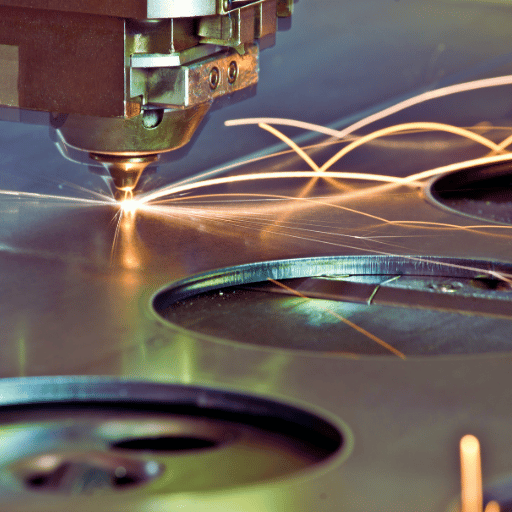
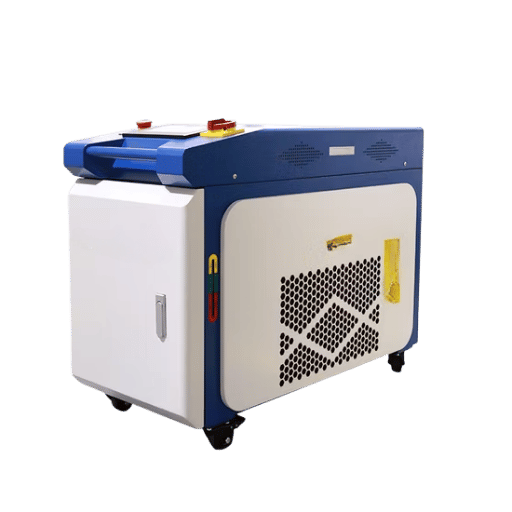
Development of Handheld Laser Cleaning Devices
One of the biggest leaps in the cleaning of surfaces has been made due to the laser cleaning technology present in handheld devices. Such devices offer the convenience of moving with ease and provide fast results, allowing cleaning of any place in the venue.
Key Features of Handheld Systems:
- Lightweight Design: Easy transportation and extended use
- Ergonomic Interface: Intuitive and secure system control
- Versatile Applications: Suitable for mechanical, aeronautic, car maintenance, and heritage parts
- Precise Control: Eliminates paint, dust, and rust without ruining a surface
Automation and Robotics Integration
Advanced integrated systems now combine handheld laser cleaning with robotics and automation technology. These systems integrate into manufacturing lines, performing precision robotics-backed automated cleaning operations while reducing manual tasks and ensuring consistent results.
AI-Powered Process Optimization
Artificial intelligence implementation for process optimization represents a game-changing advancement. AI systems excel at processing large, constantly changing datasets and can optimize maintenance operations through machine learning algorithms.
AI Impact Results:
Recent studies show that businesses implementing AI-powered laser cleaning systems have achieved up to 30% efficiency improvements, demonstrating the technology’s potential for sustainable manufacturing operations.
Safety Considerations in Laser Blasting
⚠️ Critical Safety Concerns
Laser Radiation: Can cause serious vision and skin damage depending on wavelength and intensity.
Welding Fumes: Process creates particles and smoke that may cause respiratory damage if inhaled.
Importance of Protective Gear and Training
Essential Safety Measures:
Regulatory Standards and Compliance
Compliance with OSHA regulations and ISO certifications is essential for safe laser cleaning operations. Companies must implement certified programs and automated compliance tools to identify and address regulatory issues while minimizing operational risks.
Real-World Success Stories and Case Studies
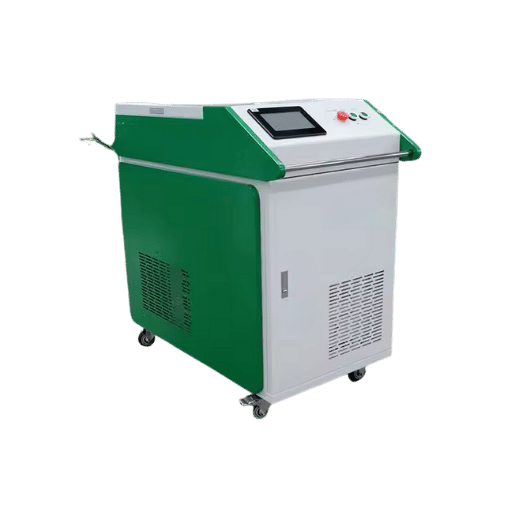
Revolutionizing Automotive Cleaning
| Key Point | Details |
|---|---|
| Eco-Friendly | Biodegradable, non-toxic agents reduce environmental impact |
| Waterless Technology | Minimizes water use, ideal for water-scarce areas |
| AI Diagnostics | Optimizes cleaning processes and resource usage through advanced laser systems |
| Automation | Robotics streamlines processes and reduces labor costs |
| Waste Management | Recycling ensures compliance with environmental regulations |
| Digital Integration | Digital platforms incorporating laser cleaning enhance service offerings |
Surface Transformation Results
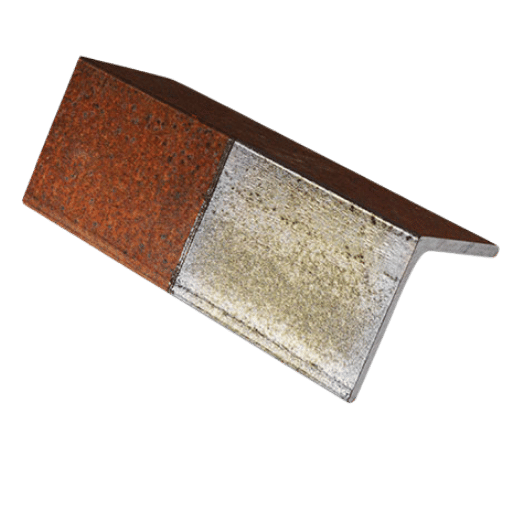
The remarkable differences in surface appearance after laser blasting demonstrate the technology’s effectiveness. Laser blasting uniquely removes unwanted materials while maintaining underlying material integrity, making it invaluable for aerospace, manufacturing, and historic preservation industries.
How to Choose the Right Laser Cleaning Solution
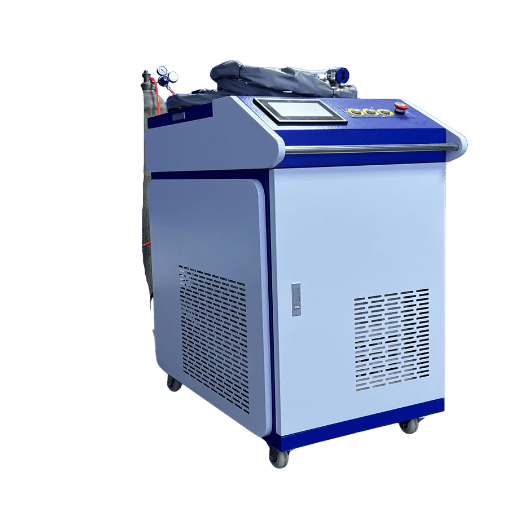
Critical Factors to Consider
Power Requirements
High Power: Effective for thick, tough coatings and heavy contamination
Variable Power: Adaptable systems for different cleaning processes and materials
Portability Needs
On-site Capability: Essential for large equipment and immovable machinery
Lightweight Options: Ideal for automotive and shipbuilding applications
Cost Analysis
Initial Investment: Higher upfront costs for advanced features
Long-term Savings: Lower maintenance and operational expenses
Top Laser Cleaning Equipment Comparison
Leading Market Options:
- CleanTech by Laser Photonics: Industrial-grade equipment for heavy-duty applications
- P-Laser QF: Customizable models ideal for delicate surfaces and detailed projects
- RustRay Handheld Laser Cleaner: Lightweight solution for portable operations
Integration Tips for Workflows
Implementation Checklist:
Frequently Asked Questions (FAQs)
Q: What Is The Laser Cleaning Tech?
A: Laser cleaning technology is an innovative removal technique used widely these days, removing dirt such as rust and coatings from different surfaces using a focused laser beam. Its use cases can be summarized as inbox updates for calendar, which is to say, it works on high productivity, eliminating unwanted materials on thousands of surfaces. However, a marked improvement occurs when the method involves the use of a bright laser, which, in turn, renders damage impossible to the underlying layers. Its applications are limitless, with the technology increasingly finding use in industrial tasks where precision and efficiency are essential.
Q: How is a laser cleaning system designed?
A: The nano-scale laser cleaning equipment developed is notable due to its approach to dirt particles using a laser, as opposed to larger-scale equipment. When the futuristic laser beams engage in laser ablation, the dirt is immediately removed. The versatility of the system is ensured as a result of adjustments in cleaning assistance, as there are equipment options for cleaning tasks such as paint strip cleaning and rust remediation.
Q: Why is laser cleaning more effective than traditional cleaning?
A: Laser cleaning has proven to be superior to traditional methods such as sandblasting or dry ice blasting. This modern cleaning has proven that it can effectively ablate without the need for abrasives, so it is now possible to preserve the substrate. Furthermore, this type of cleaning offers less environmental impact, as other types demand a lot of chemicals and generate surplus waste.
Q: In which areas are laser cleaning and other technologies of great use?
Featured prominently, laser cleaning technology has successfully assisted in the removal of contaminated layers from car bodies, aircraft, and historical monuments through innovative cleaning processes. It has marked excellence in its ability to restore the quality of such metallic sectors, and this can be seen through its meticulous use in the aerospace, automotive sectors, and monument restoration.
Q: Can we compare laser cleaning with abrasive blasting?
A: When compared to abrasive methods and technologies, laser cleaning stands as a valid alternative. Abrasive techniques of cleaning have been noted to introduce undesired surface damage, while laser cleaning methods can prevent this issue and maintain the integrity of surfaces. Their widespread use might make them desirable, but a keen look shows that laser technologies are more appealing, especially with industrial processes in mind.
Q: What does laser cleaning entail?
A: Laser cleaning has several procedures in place. To begin, the surface has to be examined for contaminants in the area. The equipment and its laser settings have to be custom-tailored for a specific application. From there, a laser is used to deliver bursts of laser pulses to the surface to clean. People also have to monitor the cycle to make sure it cleans within the set limits.
Q: When is laser cleaning the best option?
A: Laser cleaning is especially effective in dealing with stubborn coatings, a feature that is not speculation and is proven. Laser damage is a critical concern, and in this case, it is non-existent, which is why it is the go-to for everyone who deals with coatings every day. It is vital for other jobs, such as the preservation of historical and industrial artifacts. Laser cleaning is the procedure employed.
Q: Are there disadvantages to using laser cleaning?
A: No business proposal is flawless. Using lasers has additional layers of security to preserve the staff’s well-being. The business owners also preserve the integrity of the environment in which the scanning takes place. The expense of laser machines is marked in the mid-to-high range of the market due to the additional safety concerns associated with the machines. The difficulty is not limited to spending; there is also the necessity of education specific to the newest models, which is a further obstacle.
Reference Sources
- Andrews University Lecture: Spectroscopy Applications of Laser Blasting – This speech emphasizes the significance of first-hand learning with the application of natural elements to biochemistry and chemistry studies.
- Defense Acquisition University: Laser ablation, corrosion removal, and adhesion improvement-This includes topics like downlaser abration to combat against corrosion, as well as the techniques that improve adhesion strength.
- Laser ablation