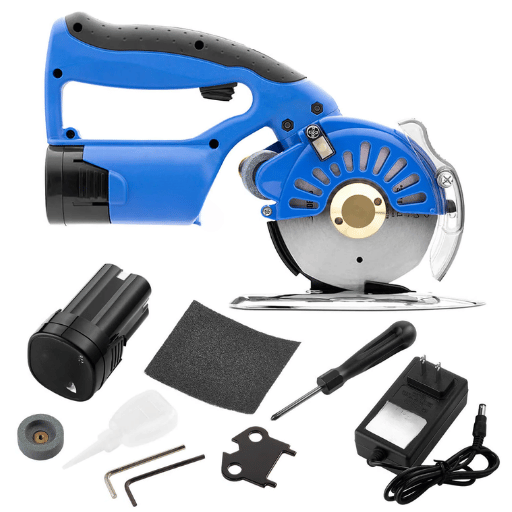
The Ultimate Guide to Choosing the Right Cutter: Exploring Cutting Tools for Every Need
Cutting tools are necessary in any given industry and application, from the extremely delicate woodworking types of operations to the heavy-duty construction works. This comprehensive guide will help you make informed decisions about selecting the perfect cutting tool for your specific needs.
Understanding Different Types of Cutters

Utility Knives
The making of utility knives is for versatile applications that require accurate and controlled cutting. The opening of boxes, cutting cardboard, and trimming wallpaper are examples of tasks for these implements. The knives usually feature retractable or replaceable blades, thus rendering maintenance easy and inexpensive.
Scissors
Thin materials like paper, fabric, or light plastic are cut using those scissors. Sharper blades for cutting workpieces are placed into the handle with comfort ergonomics, while specialized scissors exist for sewing, art, etc.
Tin Snips
A tin snip is a specialized cutting tool used for sheet metal. It is made to ensure clean cuts into aluminum, steel, or other light metal materials. Some types include straight-cut, left-cut, and right-cut snips for varying cutting directional needs.
Wire Cutters
Wire cutters work in trimming wires and small cables. These tools have sharp, hard jaws that can cut efficiently through electrical wires, materials for jewelry, or cable ties. The insulated model is an added feature in wire cutters where safety is a concern when working with live wires.
Bolt Cutters
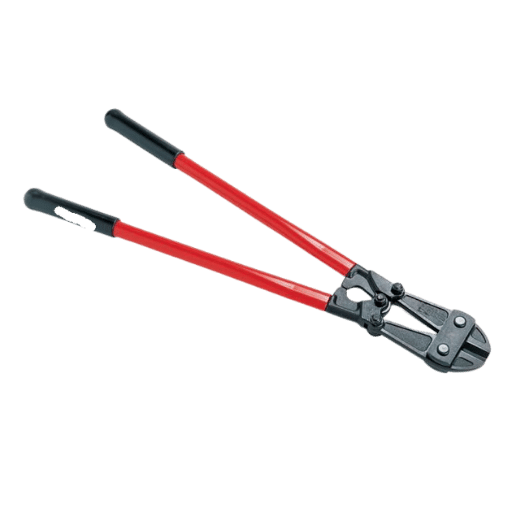
Bolt cutters are a category of heavy-duty cutting tools used to make thick and hard materials into pieces such as bolts, chains, and padlocks. They use long handles and strong jaws to give a lot of leverage and cutting power.
Wire Cutters: Features and Uses
Key Features & Benefits
- Precision Cutting: Wire cutters produce smooth cuts; hence, they are used on electrical wires, jewelry, and other delicates
- Blade Varieties: Blade types may come as either straight or angled for use at different cutting angles and applications
- Insulated Handle: Several wire cutters have insulated handles for the protection of the user while dealing with compounds with electrical hazards
- Compact Design: The small size and light weight make the wire cutters easy to use within tight spaces
- Material Durability: Superior wire cutter tools are made from good materials, such as hardened steel capable of resisting wear and extending their tool life
- Spring Mechanism: Certain models come equipped with a spring mechanism that allows easy repetitive cutting and lessens the strain on the user’s hands
- Ergonomic Grip: Handles are designed with ergonomic considerations to offer great comfort when in use for extended periods and improve gripping power
- Versatility: Wire cutters can be used for a great variety of wires, such as copper wires, aluminum wires, and steel wires
Bolt Cutters: Applications and Benefits
Primary Applications
- Cutting Metal Rods and Bolts: Bolt cutters make swift work of cutting metal rods, bolts, and locks.
- Construction Use: In construction work, bolt cutters are the tool for ensuring the cutting of steel bars to exact lengths.
- Rescue Operations: Emergency workers use bolt cutters to swiftly cut through locks and metal barriers to gain entry.
- Fencing and Chains: For cutting wire fencing, chains, and padlocks, bolt cutters are highly valued
- Heavy-Duty Maintenance: Industries that demand heavy-duty maintenance use bolt cutters for cutting thick metal parts with little effort
- Portability: Considering their power, bolt cutters can be easily carried to various locations for versatile use
Choosing the Right Saw for Your Project

Types of Saws: From Hand Saws to Power Saws
| Type | Key Features | Best For | Examples |
|---|---|---|---|
| Hand Saws | Manual, precise | Woodworking, small cuts | Rip, Crosscut, Coping |
| Circular Saw | Portable, versatile | Straight cuts | Wood, metal, masonry |
| Miter Saw | Angled, precise cuts | Frames, molding | Bevel, compound cuts |
| Table Saw | Stationary, accurate | Long cuts, grooves | Wood and sheet materials |
| Jigsaw | Curved, intricate cuts | Patterns, designs | Wood, metal, and plastic |
| Reciprocating | Rough, demolition | Pipes, tough materials | Remodeling, demolition |
| Band Saw | Continuous blade | Curves, resawing | Wood, metal |
| Chop Saw | Abrasive blade | Metal, masonry | Pipes and bricks |
| Scroll Saw | Thin, detailed cuts | Crafts, puzzles | Wood, soft materials |
| Chain Saw | Rotating chain | Trees, logs | Pruning, lumber |
| Tile Saw | Wet cutting | Tiles, ceramics | Bathrooms, kitchens |
| Panel Saw | Large sheets | Plywood, MDF | Commercial workshops |
Best Practices for Using Saws
1. Select the Right Saw for the Job
Make sure that you choose a saw required for the type of cut and the material being cut. For instance, a band saw might be used to cut very intricate curves, while a tile saw is used for ceramics.
2. Safety Inspection
Establish a routine inspection for damage and dullness in the blade and loose parts in order to properly align the saw; improper alignment will cause faulty cuts-being done before use. Replace any defective parts immediately.
3. Use Protective Equipment
Okay, protect yourself! Safety glasses, gloves, and shoes should always be worn whenever operating tools or working on any project.
4. Secure the Workpiece
The workpiece should be stabilized with either clamps, vises, or something else; if it is not, the workpiece will slip or move.
5. Follow Manufacturer Guidelines
The saw must be run as per the manufacturer’s instructions with stipulated cutting speeds and maintenance checks.
6. Keep the Work Area Clean
Remove any cuttings or debris from the working area. The place should be well-lit to promote accuracy and safety.
7. Focus On Proper Handling
Be sure to hold the saw firmly with both hands, using smooth, controlled motions-not forcing the saw into the material.
Common Applications of Saws
| Saw Type | Primary Use | Material | Key Features |
|---|---|---|---|
| Circular Saw | Straight cuts | Wood, metal | Portable, fast cutting |
| Band Saw | Curves, resawing | Wood, metal | Precise, stationary |
| Jigsaw | Curves, intricate cuts | Wood, metal | Versatile, detailed |
| Reciprocating Saw | Demolition, rough cuts | Wood, metal, plastic | Robust, handheld |
| Miter Saw | Angled cuts | Wood, aluminum | Accurate, stationary |
| Table Saw | Long straight cuts | Wood, plastic | Stationary, precise |
| Chainsaw | Tree cutting | Wood | Powerful, portable |
| Tile Saw | Cutting tiles | Ceramic, stone | Wet cutting, precise |
| Chop Saw | Straight cuts | Metal | Stable, clean cuts |
Working with PVC Pipe: Essential Cutting Tools

Types of Cutters for PVC Pipe
| Key Point | Details |
|---|---|
| Types | Ratcheting, Scissor-style shears, Heavy-duty cutting tools |
| Purpose | Quick, clean cuts |
| Materials Cut | PVC, CPVC, Polyethylene |
| Sizes Supported | Up to 1-5/8″ diameter |
| Features | Rust-resistant, durable |
Techniques for Efficient Cutting
- Measure: Measure twice, mark clearly
- Tool Choice: Match the right tool to the material for optimal cutting performance
- Stabilize: Use clamps or a stable surface
- Steady Pace: Avoid rushing, apply consistent pressure
- Tool Care: Keep tools sharp and clean – essential for maintaining the durability of your handheld tools
- Burr Removal: Clamp both sides, slow feed speed
- Thermal Avoid: Use the correct wheel, cooling liquid
- Crack Avoidance: Support material, adjust technique
- Pinch Avoidance: Use pinch-reduction tools
- Irregular Shape: Use support blocks or custom clamps
Safety Considerations When Cutting PVC Pipe
- Safety Gear: Wear protective goggles and gloves.
- Correct Tools: Use a pipe cutter, hacksaw, or miter saw.
- The Pipe Should Be Secure: Make sure to hold the pipe firmly.
- Air: Maintain proper ventilation.
- Inspect: Look for cracks and other defects.
Metal Cutting: Tools and Techniques

Overview of Metal Cutting Tools
Metal cutting tools are made to shape, machine, or remove material from metal surfaces and are available in different forms and types-from hand tools, power tools, and several product classes.
Choosing the Right Cutter for the Metal
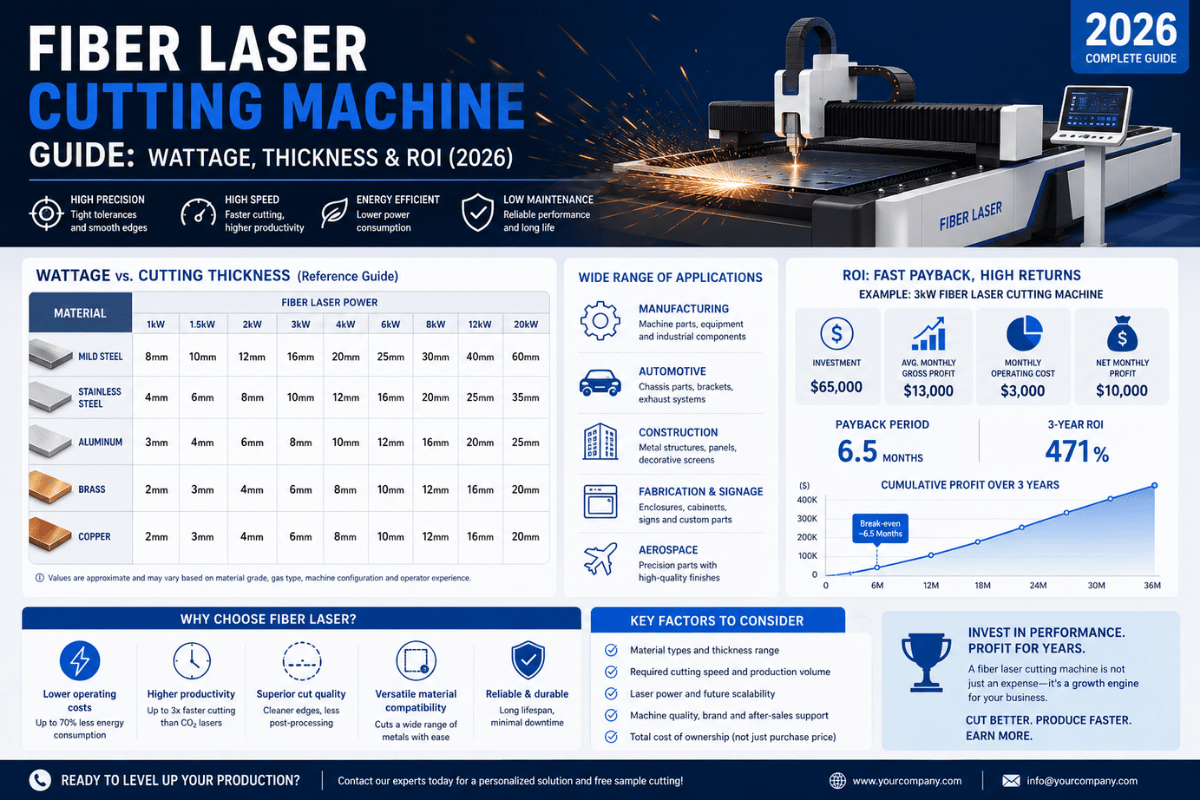
When deciding on the most appropriate cutter for metal, I consider the hardness, thickness, and type of material at hand to select the best tool. Some conventional tools, such as those used with aluminum or tin snips, may work well for the work of cutting soft metals, while cutting hard metals, such as stainless steel, may require an angle grinder or cutting saw equipped with special blades for that purpose. It also depends on how precise you want your project to be: for instance, plasma-cutters or laser cutters might be necessary if very high accuracy is needed. The other point is, the tool should be appropriate for the size and complexity of the project, so the job is done in time and with the best quality.
Maintenance Tips for Metal Cutting Tools
- Cleaning: After every tool usage, it must be cleared off with debris, dust, and metal shavings, whose accumulations over time might obstruct performance
- Lubrication: An appropriate lubricant is to be applied to the moving parts to lessen friction, prevent rust, and allow smooth operation
- Sharpen/Replace the Blades: Keep a regular check on the cutting edges, and whenever necessary, sharpen or replace the blades so that cutting can still be done more precisely and efficiently
- Inspect for Damage: A Procedure that is regularly performed to ensure no sign of wear and tear, cracks, or other forms of damage that could cause tool failure during operation
- Storage: Keep any tool in a neat, dry place to avoid corrosion and extend the tool’s life
- Follow Manufacturer’s Instructions: Strictly maintain and observe all prescribed maintenance procedures of the manufacturer at scheduled times to achieve peak performance
- Calibration: Such advanced tools as laser or plasma cutters shall be kept regularly calibrated for any potential discrepancy in the cutting process.
- Replacement of Parts: Any worn parts, like bearings, belts, or drive components, should be replaced as soon as possible to avoid any further deterioration or inefficiency of the tools
Warranty and Product Care for Cutting Tools

Customer’s Perception of Warranty Policies
Typically, the warranty policy is designed to set out the conditions with respect to the repair or replacement of defective equipment by the manufacturer. Warranties usually cover defects in materials or workmanship; this could be for a period of time from the date of purchase. A person must study and keep the warranty documents carefully, as they give the full details of what is and what is not covered. Some things that are normally excluded from coverage may be damage caused by improper use, failure to maintain the product, and unauthorized modifications. Claims would certainly be accepted if users followed all instructions on use and care issued by the manufacturer and presented proof of purchase when submitting any warranty claims.
Importance of Tool Maintenance
Tools need to be maintained in order to ensure double efficiency; maintenance is paramount to extend the lives of the tools and to guard them from periods of unnecessary breakdown. Proper care reduces wear and tear and, if any, chances of breakdowns and safeguards the user’s safety. Those practices include condimenting after they are used, looking for any sign of damage, lubricating their moving parts, and storing them in a dry environment where they cannot be exposed to rust and deterioration. Just by following simple maintenance practices, one can keep tools reliable and, hence, protect the investment in quality tools.
Keeping Your Cutters in Perfect Working Condition: Anything to do with maintenance prices a little more, as does proper use. Clean your cutters after every use to prevent the accumulation of residue that might dull or corrode the blades. If the cutting edges show signs of wear, tear, or any damage, sharpen those that need to be sharpened or replace those that cannot be restored to proper performance. Avoid unnecessary stress and damage to the cutters: that means limiting their usage to materials for which they were designed. Also, protect your cutters against moisture by putting them away in a dry spot, as moisture can help with rust; after all, it’s just another way to spoil your cutters! If you can take just a little care, your cutters will go on living and serving for many years.
Frequently Asked Questions (FAQs)
Q: What kind of cutter is best for cutting tasks?
A: Again, the best tool for cutting depends on the material you have to cut. For general use, a box cutter or mini cutter is alright for cardboard and soft materials. More heavy-duty cutting, however, would also require the help of a cable cutter or a high-leverage compound cutter so that less force is applied when cutting through thick wire or cable. Always place consideration on the cutting edge of the cutter and its durability. This will help ensure that the cuts are neat.
Q: How does a high-leverage compound cutter work?
A: The high-leverage compound cutter provides an increase in force on the cutting action by providing a mechanical advantage. In doing so, less effort is required to make a clean cut, thereby making it an excellent choice for tough materials such as wire and soft metals. This design provides a very comfortable way to make cuts without causing any sort of pain with use.
Q: Is it possible for a mini cutter to cut PVC pipe?
A: A mini cutter will work for small tasks, but may not be the tool for cutting PVC pipe. One should instead use a very fine saw or a specialized tool designed for cutting PVC pipe to ensure that the cutting is perfectly straight and will not damage the pipe. Yet for thinner PVC or smaller sections, a mini cutter is useful.
Q: What materials can easily be cut by wire cutters?
A: Wire cutters are considered the best tools for easily cutting any type of wire, soft metals, and cables. They offer a very clean cut without crushing and fraying the wire. It is very important to choose a wire cutter that matches the wire thickness and wire hardness.
Q: How to keep my cutter durable?
A: Keep the cutter’s durability by checking the blade regularly for rust, damage, or any form of deterioration. Having spare blades at hand guarantees unhindered use over time. It is also recommended to clean the cutting edge after use, keeping the cutter in a dry place for longer life and better performance.
Q: What’s the difference between a box cutter and a utility knife?
A: A box cutter is a sort of utility knife primarily meant to cut cardboard with ease and some soft materials. While usually both knives can have replaceable blades, a box cutter can be expected to have a retractable blade for safety reasons. It is possible that a utility knife would provide more options and versatility with different blades and lengths for assorted cutting tasks.
Q: Are stainless steel cutters better for cutting?
A: Stainless steel cutters are often held to be the best cutters, mostly because stainless steel is rust-proof and corrosion-resistant, giving it durability. They hold a sharp cutting edge much longer than other types, so it makes cleaner and faster cuts. To get better performance from a cutter, always go for a stainless steel cutter.
Q: What tool is best for wire cutting?
A: The Best wire-cutting tool typically consists of wire cutters or cable cutters used to handle the particular thickness and hardness of the wire being cut. High-leverage compound cutters also require less force to cut through thicker wires, thus being the perfect choice for heavy-duty cutting.
Conclusion
Selecting the right cutting tool is essential for achieving optimal results in any project. Whether you’re working with delicate materials or heavy-duty construction tasks, understanding the specific features and applications of each cutter type will help you make informed decisions. Remember to prioritize safety, maintain your tools properly, and always choose quality equipment that matches your specific cutting needs.
Invest in the right tools, follow best practices, and your cutting tasks will become more efficient, safer, and produce better results.
Reference Sources
-
-
- Cutting Tools – California State Polytechnic University, Pomona
The page has been designed to provide brief information about various cutting tools and their application. - Vinyl and Craft Cutting – Hosted by MIT Maker
An elaborate account of vinyl and craft cutting detailing is to be held under the auspices of the Maker Initiative of MIT. - Steel
- Cutting Tools – California State Polytechnic University, Pomona
-