When precision, permanence, and efficiency matter most in material marking, laser engraving stands as the definitive solution. From manufacturers and jewelers to medical equipment engineers and artisans requiring intricate decorative work, laser marking technology delivers unparalleled results. This comprehensive guide explores the critical concept of laser marking machine depth—examining how the process functions, the factors that influence accuracy, and the practical applications across industries.
Fundamental Principles of Laser Marking

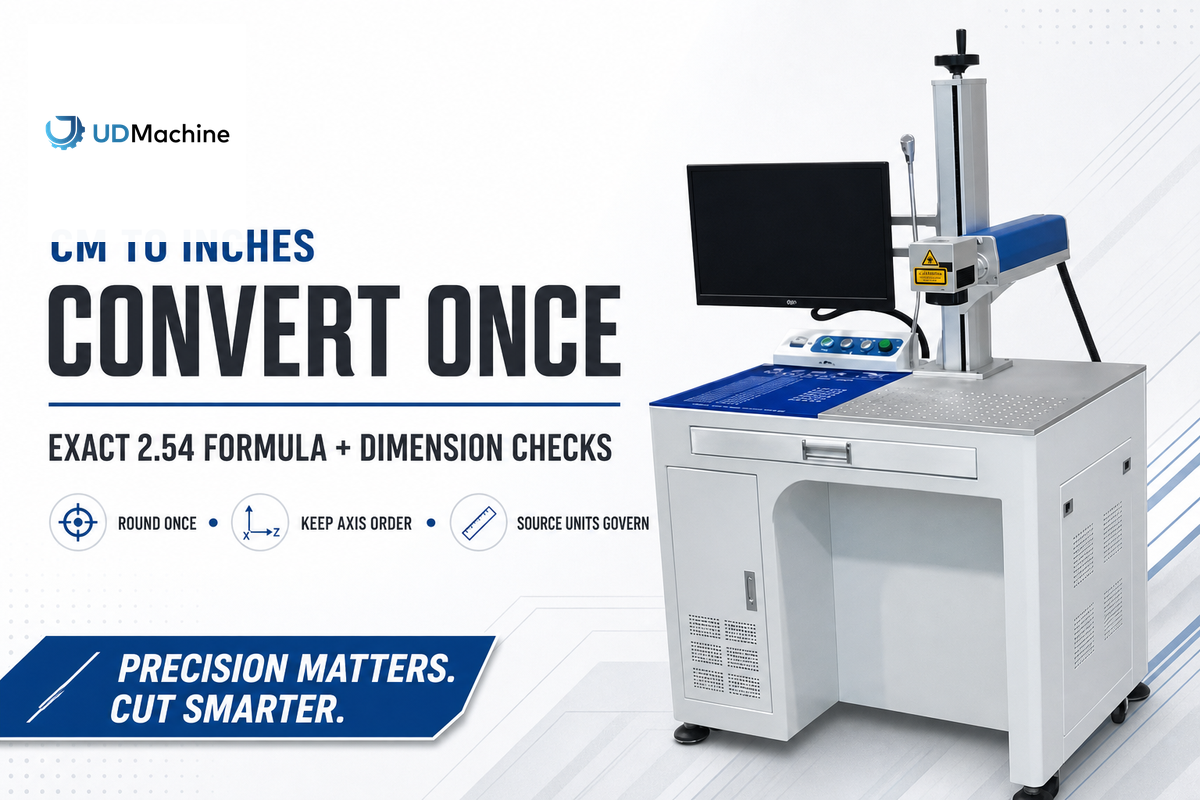
Laser engraving operates on the principle of directing a high-energy laser beam onto a material surface, causing precise alterations to the surface profile. In this method, the laser beam interacts with the material, creating permanent marks without physical contact. Several factors contribute to enhanced precision, including the laser type, power intensity, and the specific material. These fundamentals enable precise and long-lasting marks, making laser marking machines invaluable across numerous industries.
How Laser Engraving Works
A laser marking machine projects a fine laser beam onto a material’s surface, sculpting or removing material to create the desired pattern or engraving. The operation proceeds systematically, typically with computer assistance and CAD programs controlling the laser beam’s movement. The laser beam generates substantial heat, vaporizing the target material while leaving surrounding areas unaffected. This precision yields clean, high-resolution engravings.
✦ Modern Laser System Features
- High-speed scanners for rapid pattern execution
- Automatic focus adjustments for consistent depth control
- Multi-surface compatibility including metal, wood, glass, and plastics
- Clean operation without inks or chemicals
- Low maintenance requirements compared to traditional methods
Understanding Engraving Depth
Engraving depth refers to the extent to which a laser marking machine penetrates the surface of a material. The power output, laser speed, frequency settings, and material type all determine the achievable depth. Softer materials, such as wood and flexible plastics, allow deeper engraving with less energy consumption. Conversely, metals present greater challenges and may require heavy-duty laser configurations to achieve the required penetration.
⚠️ Important: Proper laser parameter modulation guarantees accuracy and helps avoid burning or damaging materials. This proves especially critical in industrial applications where durability matters, or in decorative work where appearance is paramount.
Types of Laser Technologies: Fiber vs. CO2
Fiber and CO2 lasers represent the two primary laser technologies, each suited for specific applications based on material type, efficiency, and precision requirements.
Key Factors Affecting Marking Depth
Impact of Laser Power on Engraving Depth
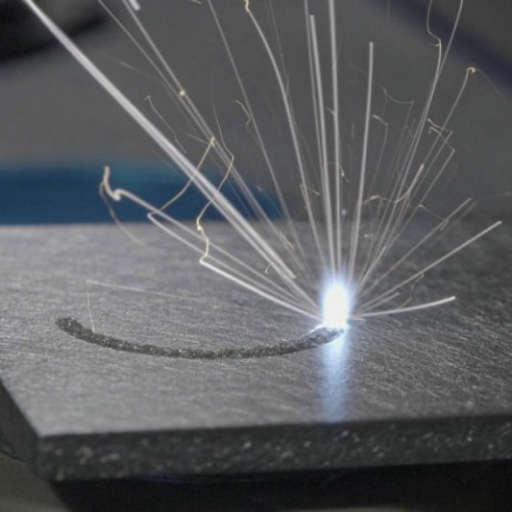
Laser power significantly affects engraving depth by determining the energy delivered to the material surface. Increasing laser power increases penetration depth, enabling deeper engraving. However, excessive power can produce adverse effects such as burning or discoloration, depending on the material. Conversely, low-power settings work best for precise shallow engravings where fine detail creation takes priority.
📊 Research Finding
According to recent studies, doubling laser power while maintaining lower speeds can increase engraving depth by 30% in metals while preserving precision. Optimal results require adjusting speed and pulse frequency in relation to power output.
Speed and Frequency: Balancing for Optimal Results
Understanding the interplay between speed and frequency proves essential when configuring a laser engraver. Speed refers to the rate at which the laser moves over the engraved surface, while frequency indicates the number of laser pulses per second. Engraving performance, particularly for materials like wood and acrylic, depends heavily on the relationship between these two variables.
💡 Speed & Frequency Tips
- For deeper cuts: Reduce speed and maintain moderate frequency
- For surface marking: Increase speed and decrease frequency
- Always adjust settings based on material type and design complexity
Material Properties and Their Influence on Depth
The material type fundamentally determines engraving performance, as each material responds differently to the cutting process. The softness of wood and leather proves advantageous, allowing greater depths with less energy. In contrast, acrylic and glass resist deep engraving without requiring increased power because of their hardness. Additionally, moisture content affects results—dry wood produces cleaner cut lines than moist wood. Balancing power, speed, and frequency according to material properties ensures proper engraving depth without causing damage.
Materials Suitable for Laser Marking
Metals: Stainless Steel and Beyond
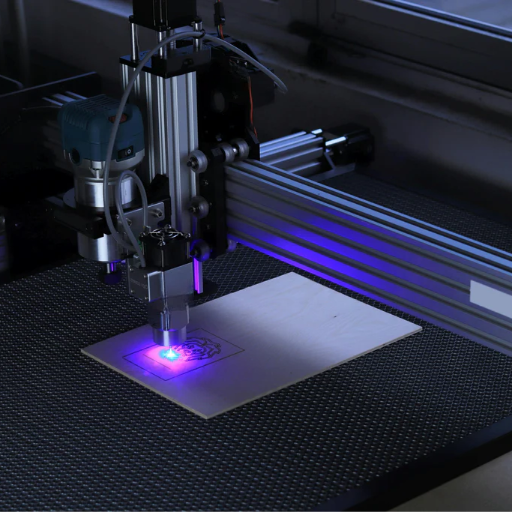
Metals rank among the most resilient and adaptable substances for laser etching. Stainless steel excels due to its strength, corrosion resistance, and ability to achieve sharp, clear markings. Aluminum is another common choice, particularly in aerospace applications that require long-lasting labels or codes, owing to its ease of marking and its ability to produce distinct lettering. Titanium, brass, copper, and numerous other metals each offer specific advantages—whether wear resistance or thermal conductivity—making them particularly suitable for construction, aviation, and equipment manufacturing.
Plastics: Engraving with Precision
Plastic is widely used as an engravable material due to its versatility across various applications. Both laser and mechanical engraving produce sharp, intricate graphics on plastic surfaces. Material options range from flexible varieties such as acrylic or polycarbonate to durable substances like ABS or nylon. Acrylic’s smooth surface allows sharp, clear images, making it ideal for signs, awards, and decorative objects. Polycarbonate’s durability suits industrial-grade panels and identification coatings.
🔧 Best Practices for Plastic Engraving
- Select appropriate material for your specific application
- Adjust speed, power, and frequency settings according to plastic type
- Ensure proper ventilation during the engraving process
- Clean the plastic surface beforehand for optimal clarity
Ceramics and Other Unique Materials
Ceramic materials, along with glass and stone, are well-suited for laser marking systems due to their toughness and aesthetic appeal. Laser marking on ceramics centers primarily around craft and decoration, where smooth, detailed artwork visible from a distance is often required. Powerful lasers typically handle cutting, engraving, and marking such materials without causing damage. Glass requires a sharp, controlled laser with minimal variation to achieve clear designs without cracking. Selecting the appropriate laser marking machine depth for each task enables efficient marking for branding, personalization, and technical labeling.
Industry Applications Requiring Precise Depth Control

Manufacturing & Product ID
Serial numbers, barcodes, and logos are etched on tools, electronic components, and automotive parts. Consistent marking depth ensures compliance with quality control and industry regulations while maintaining readability throughout product lifecycles.
Medical Devices & Instrumentation
Laser marking facilitates precise Unique Device Identification (UDI) markings that withstand corrosion and remain safe for human tissue. The non-contact process maintains hygiene standards essential for surgical instruments, implants, and diagnostic equipment.
Aerospace & Automotive
Parts and components require identifiable markings throughout their lifetime. Laser-marked identifiers must withstand extreme temperature fluctuations, vibration, and adverse environmental conditions during servicing and safety inspections.
Best Practices for Optimizing Engraving Depth
Choosing the Right Laser Engraving Machine
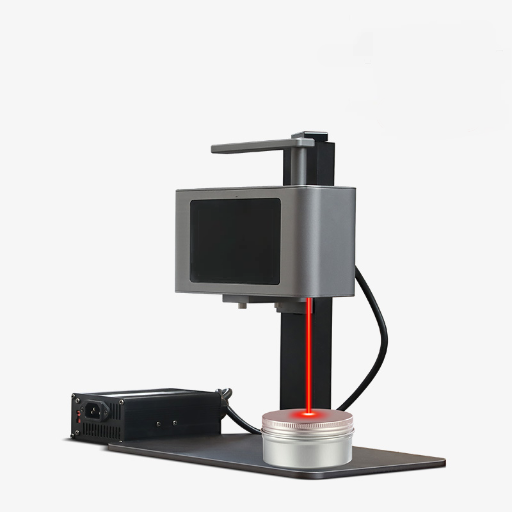
✓ Machine Selection Checklist
Material Compatibility
Verify the machine works with your target materials—metal, glass, wood, or plastics.
Depth & Detail Capability
Ensure the machine provides sufficient power for the engraving depth you require.
Work Area Size
Select a work area that accommodates your project size and allows for expansion.
User-Friendly Interface
Intuitive software reduces learning curves and increases productivity.
Support & Warranty
Choose reputable brands offering customer support, spare parts, and warranty coverage.
Settings for Deep Laser Engraving
When performing deep laser engraving, optimizing machine settings ensures accuracy, consistency, and intended depth. Consider these critical parameters:
📋 Material-Specific Considerations
- Metals (stainless steel, titanium): Require higher power with slower speeds
- Softer materials (wood, acrylic): Lower power with fewer passes prevents scorching
- Always test on sample pieces before final production runs
Common Mistakes to Avoid in Laser Marking
❌ Incorrect Settings
Too much or too little power results in uneven edges and inconsistent depths. Always pre-test settings on sample materials.
❌ Improper Focal Point
Lack of proper focus leads to inconsistent marking and loss of detail. Check focus regularly during operations.
❌ Skipping Material Tests
Never assume optimal settings without testing. Each material requires specific parameter adjustments.
❌ Neglecting Maintenance
Dirty lenses, mirrors, or clogged ventilation systems reduce efficiency and marking quality. Maintain equipment daily.
❌ Ignoring Safety Protocols
Failure to use eye protection and proper ventilation creates serious health hazards. Follow all safety guidelines.
Frequently Asked Questions
Reference Sources
-
Common Settings for Engraving and Cutting Materials
This document from Carnegie Mellon University discusses laser machine configurations, material density, and their impact on engraving results. -
Versalaser Engraver/Cutter Tool – CNF Users
Cornell University’s resource provides details on laser engraver optics, substrate compatibility, and technical specifications. -
Maker Basics: Intro to Laser Cutting | STEAM Centers at PCC
Portland Community College’s guide introduces the basics of laser cutting and engraving, including material interactions and engraving techniques. -
Section 13: Material Engraving Techniques
Tulane University’s Makerspace document explains material-specific engraving techniques, including depth and surface considerations. - Top CNC Laser Marking Machine Manufacturer and Supplier in China
Summary
Understanding laser marking machine depth empowers manufacturers, engineers, and artisans to achieve optimal results across diverse applications. By mastering the interplay between laser power, speed, frequency, and material properties, professionals can produce precise, durable marks that meet stringent industry standards. Whether working with metals in aerospace manufacturing, plastics in product branding, or ceramics in decorative arts, the principles outlined in this guide provide a foundation for selecting appropriate equipment and optimizing settings for any engraving challenge.