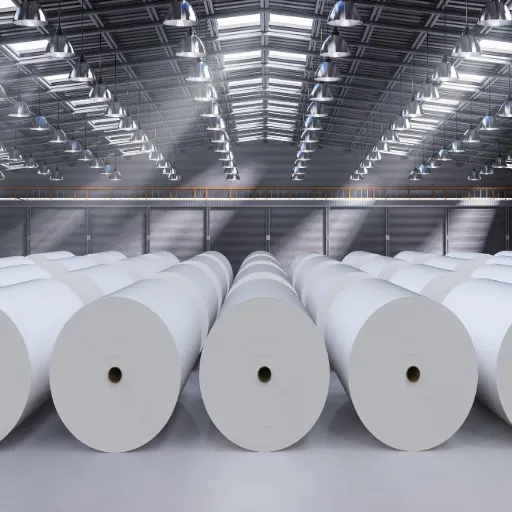
The paper industry, besides it being an essential part of modern life, has a huge environmental footprint that is often unnoticed. One of the main causes of this impact is the chemical waste produced during the paper making process. The pollutants range from bleaching agents, such as chlorine, to poisonous byproducts that can harm the environment, pollute water supplies and endanger human health. This post details the environmental impacts of chemical waste in paper manufacturing and at the same time brings forward the innovative approaches that the industries are taking to lessen the hazards. By getting to know both, the difficulties and the solutions, the readers will be able to see more clearly how the sustainable practices are transforming the paper manufacturing sector.
Understanding Chemical Waste in the Paper Manufacturing Process
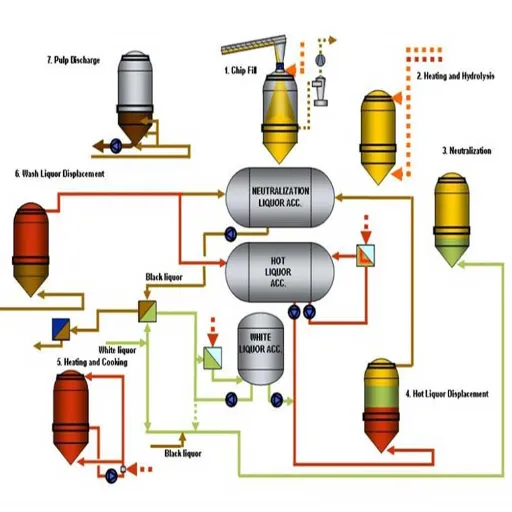
Overview of the Paper and Pulp Industry
The paper and pulp sector is deemed to be the number one industry when it comes to global ranks. It is an industry with huge volumes that produces universally accepted products like paper, tissue, and packaging. A recent research result indicated that the market for paper and pulp globally had a worth of more than $350 billion during the previous years and that their gradual growth caused by the demand for e-commerce and the commitment to sustainability. On the other hand, it is also a very resource-demanding industry that needs huge quantities of water, power, and chemicals.
Key Statistics
- Annual Global Production: 400 million tons of paper and cardboard products
- Top Three Producing Countries: China, USA, and Japan
- Global Market Value: Over $350 billion
The environmental impact of this industry is very significant, chemical waste being one of the major issues as it can deteriorate the quality of ecosystems, water, and human health. In spite of all this, the industry is coming up with practices like biodegradable chemicals, closed-loop water systems, and alternative raw materials (e.g., agricultural residues) that will lead them to more sustainable lifestyles.
Types of Chemicals Used in Paper Production
Several chemicals are used during the process of paper making, and their roles are well defined in the overall manufacturing procedure. Among the common and major ones are sodium hydroxide and sodium sulfide used in the kraft process for dissolving lignin from the wood fibers. Bleaching agent such as chlorinated dioxide, hydrogen peroxide, or oxygen is utilized to whiten the paper and eliminate any leftover lignin.
The most recent stats points out an increase in the use of safer and eco-friendly chemicals. In enzymes, for instance, a more frequent use is taking place as they replace traditional harsh chemicals, thereby decreasing the environmental footprint. Moreover, bio-based chemicals extracted from renewable sources, say starch or lignin, are getting acceptance as green alternatives. These developments are indicative of the industry’s commitment to environmentally friendly practices while still supplying high-quality paper.
The Role of Pulp in Paper Manufacturing
The basis for the paper manufacturing process is pulp, which gives the fibre structure that is needed to produce strong and varied paper products at the same time. Pulp mostly comes from wood and it goes through either mechanical or chemical methods that separate cellulose fibers from lignin and other things to make pulp.
Types of Pulp
- Virgin Pulp: Directly obtained from trees through sustainable forestry sources
- Recycled Pulp: Reuses fibers from pre-used paper products
The paper industry has become more eco-friendly by not only slowly phasing out the use of tree pulp but also using certified sustainable forestry sources and enhancing recycling. Recent statistics forecast a global increase in the demand for pulp that comes from sustainable sources as a result of the innovations in recycling technology and the growing number of consumers who are conscious of the environment. These movements that are happening in the pulp production area highlight the vital part pulp plays in the co-existence of producing quality paper and taking care of the environment.
Pollution and Its Effects on the Environment
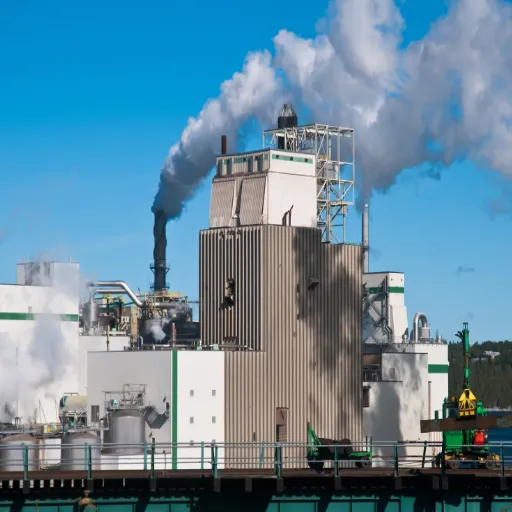
Pollution Types Nearby Paper Factories
Paper mills are among the largest sources of pollution types air, water, and soil, that have a great negative impact on the environment. Air pollution is one of the major sources, where mills emit wastes like sulfur compounds, nitrogen oxides, and ash during the processes of pulping and bleaching. These emissions are one of the causes of respiratory diseases, and also they contribute to the global problems like acid rain and climate change.
Air Pollution
Emissions include sulfur compounds, nitrogen oxides, and ash that contribute to respiratory diseases, acid rain, and climate change.
Water Pollution
Discharge of water contaminated with chlorine, dioxins, and organic materials causes oxygen depletion and harms marine life.
Soil Pollution
Improper waste disposal allows toxic substances to penetrate the ground, contaminating soil and groundwater.
Another major issue is water pollution, which is a very hot topic of discussion as the paper mills discharge huge amounts of water contaminated with chemicals such as chlorine, dioxins, and organic materials. Recent research indicates that effluents from these mills may cause depletion of oxygen levels in the waters near them, which would be very detrimental to the marine life and the diversity of such areas.
The most recent information emphasizes that new techniques like the use of closed-loop water systems and the replacement of chlorine with the less harmful alternatives have had a very good effect worldwide regarding the reduction of pollution. Still, the enhancement of legal frameworks and the increasing use of cleaner technologies are the main things that have to be done in order to limit the bad effects of paper mills on the environment.
The Environmental Effects of Paper Mill Waste
From variety of environmental studies and reports, recent data is reflecting the growing awareness and active measures being taken to mitigate the environmental impact caused by paper mill waste. In its latest results, the company is pointing out that many firms are opting for closed-loop recycling systems to reduce water usage to a minimum and also to prevent water bodies from being polluted with untreated waste.
Recent Environmental Innovations
- Advanced microbial treatments for effluent processing
- Replacement of chlorine bleaching with oxygen bleaching
- Closed-loop recycling systems to minimize water usage
- Reduction in chemical runoff and greenhouse gas emissions
These developments are quite encouraging, but the question still remains – what is the impact of these programs on the world? The trends point to a positive picture, as the regions with stricter rules and backing for cleaner technologies have marked a large drop in the pollution levels linked to the paper industry. However, the uniform practice along with global cooperation is required to make sure that these techniques are widely accepted thus achieving a balance between industrial growth and ecological conservation.
Industry Wastewater Effects on Human Health
The wastewater produced by industries holds a wide range of harmful contaminants such as heavy metals, organic substances, and pathogenic microorganisms which can be detrimental to human health and the situation is very bad in the case of untreated or poorly treated industrial wastewaters as they can cause health issues like respiratory problems, skin diseases, gastrointestinal disorders and in more severe cases even cancers or neurological problems caused by exposure to toxic substances such as mercury or lead.
⚠️ Health Risks from Industrial Wastewater
- Respiratory problems
- Skin diseases
- Gastrointestinal disorders
- Cancers from prolonged exposure
- Neurological problems from toxic substances (mercury, lead)
Moreover, the pollution of drinking water sources makes the situation worse and it is the poor that suffer more from this because they have no alternative sources of safe water besides the contaminated water. The conclusion drawn from the results of this research is that there is an urgent need for strict wastewater treatment guidelines to be followed and for worldwide collaboration aimed at public health to be done while dealing with industrial growth.
Modern Solutions for Managing Chemical Waste
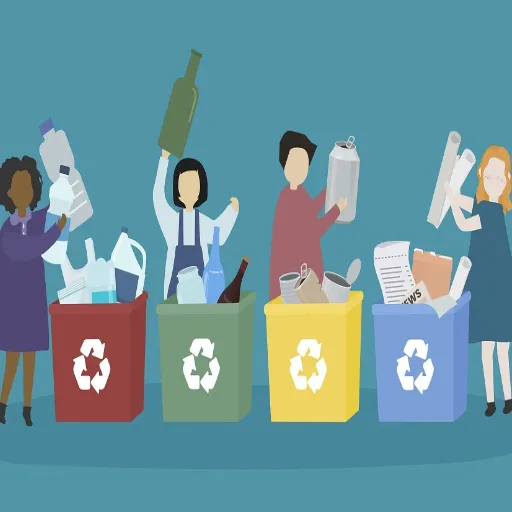
Innovative Waste Treatment Technologies
With the growing challenge of chemical waste management, so the innovative waste treatment technologies are being rapidly developed to win the battle against chemical waste. One of the most significant developments is bioremediation, which is based on the use of microorganisms to turn hazardous wastes into less toxic or even non-toxic compounds.
By using heat, thermal desorption is another high-tech method that removes contaminants from soil and other materials in an efficient way. Membrane filtration systems, which can decontaminate wastewater, have also become very popular for their efficient and effective removal of chemicals, heavy metals, and micropollutants.
Finally, everything regarding the waste treatment process gets smarter through the use of artificial intelligence and machine learning. AI systems can be implemented, for instance, to monitor and predict the real-time levels of pollutants, which allows for more accurate and targeted actions. on the other hand, the circular economy concept is reinventing waste management by highlighting the importance of waste reuse, recycling, and resource recovery.
There is an ongoing trend of having more and more global investments in these technologies which the latest data reflects. The reliance upon these technologies and their deployment indicates that the triumph over the environmental and public health issues concerning chemical waste will only be through the united support of governments, industries, and research institutes.
Recycling and Reducing Solid Waste in Paper Mills
The recycling and reducing of solid waste in paper mills are among the main factors supporting the transformation of industrial operations toward sustainability. High quantities of sludge and fiber waste are the main output of paper mills and if their disposal is not monitored responsibly, then they can cause serious environmental problems.
Best Practices in Waste Reduction
- Anaerobic Digesters: Convert organic sludge to biogas for renewable energy production
- Advanced Fiber Recovery: Extract and reuse more fibers from the production process
- Closed-Loop Systems: Minimize waste through continuous recycling and reprocessing
- Collaboration with Waste Processing Facilities: Partner locally to enhance disposal and recycling capabilities
New statistics reveal that quite a few modern paper mills, whose waste treatment systems consist of anaerobic digesters for converting organic sludge to biogas, which in turn can be consumed as a source of renewable energy, are employing advanced waste management practices. Besides, new fiber recovery techniques are making it possible to extract even more fibers that can be reused from the production process, resulting in lesser dependency on hardwoods.
68%
of paper mill waste is currently being recycled (2023 industry report)
As per the data of an industry report in 2023, around 68% of paper mills’ waste being produced is being recycled nowadays, which is markedly higher as compared to the last 10 or more years. This has been achieved mainly due to the technological improvements, strict law enforcement, and the business sector becoming more aware of the need for and practicing the circular economy. Collaborations with local waste processing plants and investment in cleaning technologies have further improved mills’ capacity to reduce their environmental footprint. The combination of these measures not only reduces the amount of waste but also increases overall energy efficiency and sustainability of the industry.
Sustainable Practices in Pulp Production
Pulp production sustainable practices are concerned mainly with the environmental impact reduction without compromising the demand for paper products globally. One of the most common techniques is to use renewable resources such as today’s sustainably run forests that have an FSC (Forest Stewardship Council) or a PEFC (Programme for the Endorsement of Forest Certification) certificate. These labels assure that the trees are cut selectively in such a way that there always is a supply of forest resources through replanting.
Key Sustainability Initiatives
- Certified Sustainable Forestry: FSC and PEFC certifications ensure responsible forest management
- Closed-Loop Water Systems: Reduce water consumption by up to 50% through recycling and treatment
- Biomass Power Plants: Replace fossil fuels with renewable energy sources
- Chemical Recovery Systems: Recover and reuse over 95% of chemicals in advanced mills
Another major issue is the implementation of a closed loop water system in pulp mills. Pollutants from the production phase are not to be discharged into local waterways since the mills recycle the water that has been used for making the paper through treating it first. Thus, the water being consumed is at a minimum and the users are harmless. It has been reported recently that due to advancements in water recycling technology, the water consumption in most modern pulp operations has been reduced by 50%.
The energy efficiency area is another big concern treated in the same way as every other major concern. To a great extent, the pulp mills are increasingly mingling biomass power plants with the other one using fossil fuels as the only source. This trend lowers GHG emissions and makes fossil fuel dependency less. Thus, the global support of renewable energy sources for the pulp industry has already been established since there are consistent reports of biomass energy uptake in this sector.
Sustainable pulp production is also supported through innovative chemical recovery systems. Chemicals in the pulping cycle are recovered and used again, resulting in decreased waste and reduced disposal of chemicals in the environment. Advanced mills treat more than 95% of their chemicals, which demonstrates the industry’s potential to adopt closed-loop processes.
Case Studies: Successful Waste Management in the Paper Industry
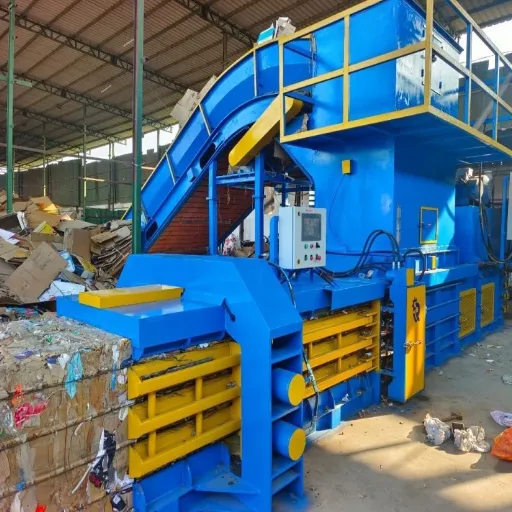
Examples of Eco-Friendly Paper Mills
Innovative mills of paper are present all over the planet that have set the standards in sustainability by adopting revolutionary waste management along with energy-efficient methods. The Norske Skog Saugbrugs mill located in Norway is one good example of this. It has made use of a circular economy approach. This plant runs on bioenergy obtained from residual wood and at the same time, it recycles almost all of its waste material which is about 99%. Thus, it has reduced its dependency on fossil fuel and also landfilling.
🇳🇴 Norske Skog Saugbrugs Mill (Norway)
Key Achievement: 99% waste recycling rate
Innovation: Runs on bioenergy from residual wood, implementing circular economy principles
🇫🇮 Arborintek Mill (Finland)
Key Achievement: 100% recycled fiber production
Innovation: Uses biogas technology to power operations, significantly reducing CO2 emissions
🇺🇸 Pratt Industries Mill (USA)
Key Achievement: 100% recycled paper production
Innovation: Processes post-consumer waste into fresh paper products, eliminating tree harvesting
In Finland, another interesting case is the paper mill of Arborintek which has changed to the production of paper only from recycled fibers and at the same time used the biogas technology to run their operations. The steps taken have brought down the carbon dioxide emissions to a great extent and the project has also proved that such practices are indeed a scalable model for being able to manufacture in an environmentally responsible way with the least input of virgin pulp.
Similarly, the Pratt Industries paper mill located in the U.S. is recognized as one of the biggest paper mills recycling completely with 100% recycling of paper. By processing post-consumer waste straight into fresh paper products, Pratt avoids the cutting down of trees and at the same time significantly reduces energy consumption. This company thus paves the way for sustainable packaging of advanced technology.
Lessons Learned from Pulp and Paper Waste Management
The pulp and paper industry’s effective waste management has given very significant insights in the field of minimizing the environmental impact while still keeping the operational efficiency. Adopting a circular economy approach is one of the primary lessons that can be drawn from this. The waste products in such an approach are turned into new materials either through recycling or repurposing.
<h4style=”color: #2c5f2d; margin-top: 0; font-size: 1.3em;”>Critical Success Factors
- Circular Economy Implementation: Transform waste into valuable resources through recycling and repurposing
- Technology Investment: Adopt enzyme-based treatments and closed-loop water systems
- Supply Chain Transparency: Track material lifecycles to identify inefficiencies
- Regulatory Compliance: Maintain strict adherence to environmental standards
- Innovation Leadership: Balance environmental, economic, and technological priorities
Moreover, the technological innovations and the creative methods such as enzyme-based treatments and closed-loop water systems have pointed out the necessity of investing in high-tech solutions. These methods not only help to reduce water and chemical consumption but also cut down greenhouse emissions in the long run. Whether it is transparency in supply chain management or tracking the life cycle of materials, these are now regarded as the most powerful tools for discovering inefficiencies and implementing sustainable changes.
Future Trends in Waste Management for Paper Industries
The paper industry is about to undergo a green revolution powered by the technology and the very aspect of sustainability that is the main focus. The practice of the circular economy is one of the main trends that are going to be adopted more often. Recycling and reusing materials all through the production cycle is one way of minimizing the waste. For instance, the paper makers are investing in more effective technologies of recycling so as to recover and repurpose fibers thus making it very less to depend on virgin resources.
Emerging Technologies & Trends
- AI and Machine Learning: Process production data to identify waste patterns and optimize efficiency
- Bio-Based Alternatives: Develop new materials and enzyme-assisted deinking methods
- Carbon-Neutral Production: Integrate solar-powered facilities and waste-to-energy conversion
- Closed-Loop Water Systems: Expand water recycling and treatment technologies
- Enhanced Recycling Technologies: Improve fiber recovery and reduce virgin resource dependency
The applying of AI and machine learning to waste management processes is one of the trends that are emerging. These two types of technology are capable of processing production data, revealing waste patterns, and providing suggestions for producing less waste and consuming less energy. Like this, the spending of waste and by-products will soon be changed by the new materials of bio-based alternatives, and also methods like the enzyme-assisted deinking.
On the other hand, there is a trend where governments and corporations are targeting carbon-neutral production. This trend is leading to the adoption of green energy sources in the industry’s waste management systems. The industry is likely to be more inclined towards solar-powered facilities, converting waste to energy, and using closed-loop water systems.
The data from the last few months shows that the global search interest in terms like “sustainable paper production” and “zero-waste manufacturing” has progressively increased which indicates a corresponding rise in consumers’ demand for brands and products that are environmentally friendly and transparent in their practices. This shift implies that the paper manufacturing plants should not only involve the stakeholders but also get creative in their approach, be the ones to lead the change, and through these win the global sustainability goals.
Conclusion: Moving Towards Sustainable Paper Production
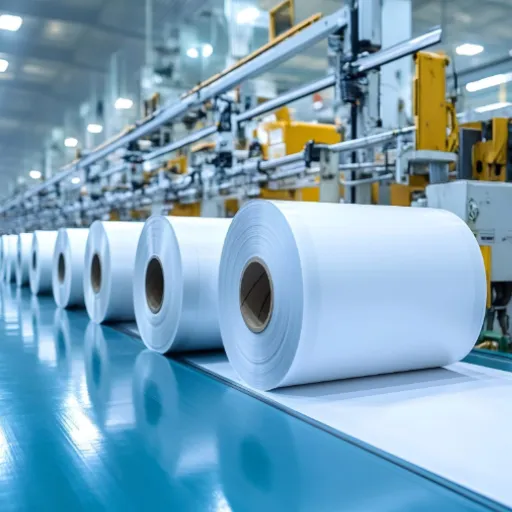
Summary of Key Takeaways
✓ Essential Points
- Global consumer interest in sustainable practices has increased significantly
- Paper industry must adopt transparent and eco-friendly production methods
- Stakeholder engagement is crucial for long-term success
- Environmental stewardship aligns with business viability and public expectations
- Innovation and technology are key drivers of sustainable transformation
The increasing global interest in sustainability, which is reflected by the rise in search trends for phrases such as “sustainable paper production” and “zero-waste manufacturing,” shows that there is a gradual change in the preference of consumers towards the eco-friendly practices. The paper industry is advised to change its approach and to be fully transparent, to come up with the environmentally friendly production methods and to take part in the conversation with the stakeholders. The combined data from searches and the demands of consumers make it obvious—the change of habits is a must for the paper industries not only to be good stewards of the environment but also to be in sync with the public and thus secure long-term success.
Final Thoughts on Environmental Responsibility
In the light of the most recent data, it is clear that consumers are on a lookout for companies that are into sustainability and environmental responsibility. There has been a very significant increase in the number of questions like “eco-friendly products,” “sustainable brands” and “green practices,” which are all indicators that there is a demand for accountability in industries, both consumer and non-consumer, that is growing. This development brings up an important question—what measures can be put in place by businesses so that these expectations can be met without affecting their operational viability?
There is one right answer and that is a multi-faceted approach. The introduction of state-of-the-art technologies, the implementation of open supply chain practices and the setting of tangible sustainability targets can not only win industries the trust of their customers but will also make them fortify against challenges of the future. Environmental responsibility is considered no longer a choice but rather it becomes a factor that distinguishes a company as a successful or not in the long run. The companies that will be able to respond well to these changes in the market will be the ones that will prosper in this dynamic marketplace.
Call to Action for the Paper Industry
The paper industry is at a very crucial juncture, whereby innovation and sustainability have to come together in order to satisfy both the market and the environment. The latest data has revealed that the consumer’s interest in the eco-friendly products and the sustainable practices has increased by over 60% during the last few years. The growing consumer awareness stresses the extreme urgency of the paper manufacturers to resort to the less harmful methods, such as raising the percentage of recycled raw materials in their mix, minimizing water usage, and switching to solar or wind energy for running their production processes.
🎯 Action Steps for Industry Leaders
- Set Aggressive Sustainability Targets: Establish clear, measurable goals for waste reduction and carbon neutrality
- Increase Recycled Material Usage: Raise the percentage of recycled raw materials in production
- Adopt Renewable Energy: Transition to solar and wind energy sources
- Collaborate with Stakeholders: Partner with non-profits and technology providers
- Enhance Transparency: Communicate sustainability efforts clearly to the public
- Minimize Water Consumption: Implement advanced water recycling systems
In order to be the fittest in this new environment, the companies will have to not only react to consumer expectations and regulatory pressures but also set their own aggressive sustainability targets. The question of how the paper industry can actually take the lead in this revolutionary period is still open? One answer is collaboration and transparency. Paper producers can help the environment and also assure their place in the market by working with non-profits, using technology to enhance their supply chain and by clearly informing the public about their sustainability efforts. The paper industry has a unique chance to display its leadership capabilities and to reshape its part in a sustainable future—in fact, it can start from now.
Frequently Asked Questions
What methods lead to the generation of chemical waste in a pulp and paper mill and where do they mainly come from?
Pulp and paper mills are sources of chemical waste in the pulping, bleaching, and paper processing stages. During these stages, the chemicals used include chlorine compounds, bleaching agents, and process additives. The processes for making chemical and kraft pulp each provide different liquid waste streams, and the wastewater from the pulp mill typically contains decayed animal/plant matter, and a variety of chemicals, some of which may be harmful, and inorganic salts. Additionally, paper machine operations and the practices of the paper-making industry result in the generation of sludges and solids which add to the total waste.
Which pollutants are most frequently present in the wastewater from the production of paper and paperboard?
The production of paper and paperboard gives rise to wastewater with a high content of BOD, COD, suspended solids, and remaining bleaching chemicals, which can consist of chlorinated organic compounds and other toxic chemical species. The wastewater from the paper industry may also have dissolved organic solids from the pulping process and the use of additives in the paper making process, resulting in the formation of paper mill sludges. The treatment systems should deal with the pulp mill wastewater, the wastewater from the pulp industry, and the wastewater from the paper mill in order to comply with the standards set by the environmental agencies.
What is the connection between paper pulp production and the generation of solid waste and sludge?
The production of paper pulp results in a large volume of solid waste, such as fiber rejects, paper mill sludges, and inorganic residues from the chemical pulp processes, notably kraft pulp recovery. The change from pulp to paper results in the development of organic solid waste and the need for handling pulp and paper wastes through solid waste management or recovery for energy and material recycling. Less usage of virgin pulp and the subsequent generation of paper industry wastewater and sludge can be achieved through the enhancement of pulp and paper efficiency and the promotion of paper recycling.
What are the environmental impacts of untreated paper mill wastewater on ecosystems?
The high organic matter input, nutrients, and residual toxic chemical compounds from bleaching and chemical pulp treatments in untreated paper mill wastewater can lead to oxygen depletion, eutrophication, and toxicity to aquatic organisms. Pulp and paper industry wastewater may carry chlorinated byproducts and other persistent pollutants that are detrimental to fish and invertebrate populations; they may even accumulate up the food chain. Soil and groundwater also suffer from the negative impact of improper disposal of paper mill sludges and effluent. Advanced treatment, process changes, and increased paper recycling in the paper sector can significantly reduce these environmental burdens.
What feasible measures can the paper manufacturing industry apply to reduce the amount of chemical waste produced during the process?
Cleaner pulping technologies, optimization of chemical dosing, and the switching to either elemental chlorine-free or totally chlorine-free bleaching methods are some of the chemical waste reduction activities that the paper manufacturing industry can carry out. Furthermore, the integration of processes in conjunction with the installation of recovery systems in the pulp and paper mills such as chemical recovery boilers and closed-loop water systems will not only reduce the need for fresh chemicals but also lower the effluent loads. Moreover, increased paper recycling and the use of recovered fiber decrease the demand for chemical pulp as well as the overall consumption of raw materials and the wastewater generation associated with the paper industry. Environmental management practices, compliance with environmental protection agency regulations, and the use of wastewater treatment technologies demonstrate the companies’ commitment to sustainability.
Reference Sources
- North Carolina State University – Paper Recycling Technology: A detailed document discussing the use of chemicals in paper recycling and the continuous pulping process. Paper Recycling Technology
- University of Delaware – UDaily: An article exploring how lignin, a waste product from the pulp and paper industry, can be repurposed into valuable materials like plastics and chemicals. Creating Value from Waste
- University of Arkansas – News: Research on using pulp mill waste to develop environmentally friendly solutions for removing toxic dyes from wastewater. Pulp Mill Waste Becomes Environmentally Friendly Solution
- Leading paper-making machine Manufacturers in China