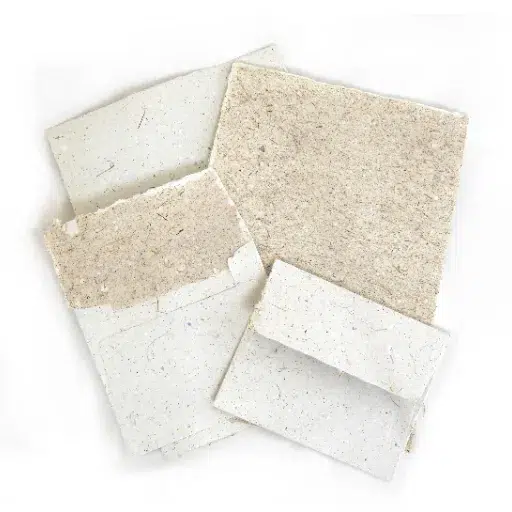
The global move to sustainability has brought along with it a complete change of the paper industry. It was the industry that was characterized by the consumption of forests but now it is the one that has the most sustainable practices and innovations. The modern paper making process to a great extent depends on alternative fibers derived from agricultural waste, recycled materials, and fast-growing plants thus continuing to produce paper that is of the same quality as the traditional one but with a drastically reduced environmental impact.
📊 Key Industry Insights
- ✓ 70% increase in consumer interest in sustainable materials over the past year
- ✓ Alternative fibers reduce carbon footprint by up to 60% compared to traditional wood pulp
- ✓ Agricultural residues prevent millions of tons of waste from being burned annually
Understanding Innovative Paper Fibers
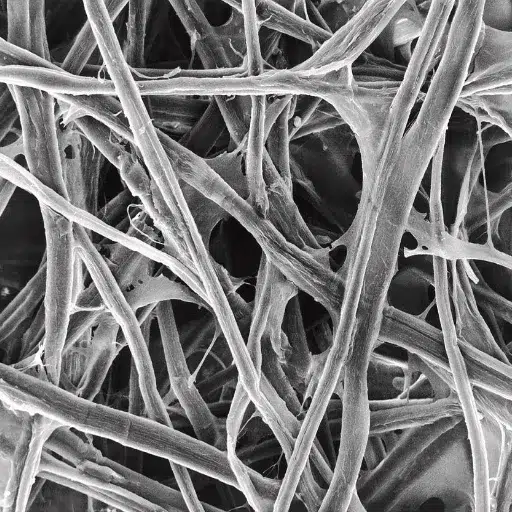
The introduction of innovative paper fibers has brought about a revolutionary change in the way raw materials are sourced. These environmentally-friendly materials, which are made from agricultural waste, discarded textiles, and quickly-growing plants, are taking over the place of traditional wood pulp in the production of paper but with the same quality and efficiency. The changeover is in line with the circular economy principles and tackles the issue of deforestation at the same time.
Alternative Fiber Types: A Comprehensive Overview
| Fiber Type | Growth Rate | Key Advantages | Primary Applications |
|---|---|---|---|
| Bamboo | Matures in 3-5 years | Minimal water, no pesticides, exceptional strength | Premium paper, packaging, textiles |
| Hemp | Harvest in 3-4 months | High yield per acre, long durable fibers | Specialty paper, currency, archival documents |
| Bagasse | By-product (immediate) | Waste utilization, reduces burning emissions | Food packaging, disposable tableware |
| Recycled Fibers | N/A (reclaimed) | Reduces virgin fiber demand, lowers emissions | Newsprint, cardboard, office paper |
| Agricultural Straw | By-product (immediate) | Prevents air pollution from field burning | Corrugated boxes, industrial paper |
Deep Dive: Leading Alternative Fibers
🎋 Bamboo
This enormous weed has a very high growth rate—certain types grow up to a few feet within a day. The whole plant dips deep into the ground that consists of roots which not only can be cut but also can be recharged with leaves, thus making it unnecessary to replant. Bamboo is the most sustainable resource given by nature because it requires no watering or chemicals.
Why it matters: Bamboo fibers combine strength with flexibility, producing durable paper products while regenerating forest ecosystems.
🌿 Hemp
With roots in ancient papermaking traditions, hemp produces significantly more pulp per acre than trees. Its naturally long and robust fibers create exceptionally durable paper that resists degradation over time.
Why it matters: Hemp’s rapid growth cycle and high yield make it an economically viable alternative for large-scale paper production.
🌾 Sugarcane Bagasse
After sugar extraction, bagasse represents a substantial waste stream. Rather than disposal or burning, this fibrous residue serves as an excellent paper material, transforming agricultural waste into valuable products.
Why it matters: Utilizing bagasse addresses two challenges simultaneously—reducing agricultural waste and providing sustainable paper alternatives.
Environmental and Economic Benefits

💡 Key Benefits at a Glance
- 1
Forest Conservation: Alternative fibers dramatically reduce pressure on forest ecosystems, preserving biodiversity and natural carbon sinks. - 2
Waste Reduction: Agricultural residues like straw and bagasse prevent harmful open-field burning, improving air quality while creating economic value. - 3
Superior Performance: Many alternative fibers match or exceed traditional paper in strength, durability, and versatility across diverse applications. - 4
Lower Carbon Footprint: Production processes require less energy and fewer chemicals, significantly reducing greenhouse gas emissions. - 5
Economic Opportunities: New markets emerge for farmers in regions where climate limits tree cultivation, diversifying rural income sources.
Sustainable Manufacturing Practices

The Circular Economy Model
Modern paper production embraces circular economy principles, where materials flow in continuous cycles rather than linear paths from resource to waste. This approach transforms the industry through three core strategies:
♻️ Waste Minimization
Every production stage is optimized to reduce waste. By-products become inputs for other processes, creating zero-waste manufacturing systems.
🔄 Material Reuse
Products are designed for disassembly and recovery. Post-consumer paper re-enters the production cycle, reducing virgin material demand.
🌱 Resource Efficiency
Advanced technologies reduce water and energy consumption while maximizing output from renewable raw materials.
Technological Innovations Driving Change
🔬 Chemical Recycling Advances
Breaking down textiles and paper to molecular components enables fiber regeneration without quality degradation. This technology allows infinite recycling cycles, fundamentally changing material lifecycles.
⚡ Enzyme Treatment Processing
Biological catalysts replace harsh chemicals in fiber processing, reducing environmental impact while improving efficiency. These methods produce stronger, more durable papers with lower energy inputs.
🤖 AI-Powered Production Optimization
Machine learning systems monitor production lines in real-time, adjusting parameters to minimize waste and enhance quality consistency. These intelligent systems reduce material losses while improving output.
🔬 Nanotechnology Applications
Nanocellulose represents a breakthrough material—lightweight, biodegradable, and remarkably strong. Applications span from advanced packaging to electronics and medical devices.
Bio-Based Materials: Transforming Industries
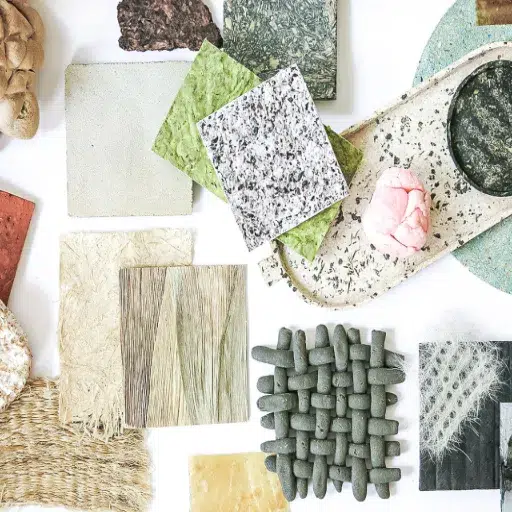
Materials derived from renewable biological sources—plants, algae, and agricultural waste—are revolutionizing manufacturing across sectors. These alternatives substantially reduce fossil fuel dependency while cutting carbon emissions.
| Industry Application | Bio-Based Alternative | Environmental Impact |
|---|---|---|
| Packaging | Bioplastics, molded fiber | Replaces petroleum-based plastics, fully compostable |
| Construction | Bio-composites, engineered bamboo | Lower embodied energy, carbon sequestration |
| Textiles | Algae-based fabrics, hemp fibers | Biodegradable, reduced water consumption |
| Consumer Goods | Plant-based resins, agricultural residues | Renewable sourcing, end-of-life composting |
⚠️ Challenges to Address
- Production Scaling: Expanding manufacturing capacity while maintaining cost-effectiveness
- Economic Viability: Achieving price parity with established petroleum-based materials
- Land Use Considerations: Balancing bio-material cultivation with food production needs
- Infrastructure Development: Building processing facilities and distribution networks
Future Outlook: What’s Next?
Emerging Trends Shaping the Industry
🔗 Blockchain for Supply Chain Transparency
Distributed ledger technology enables complete traceability from raw material to finished product, ensuring ethical sourcing and building consumer trust.
🏆 Certification Expansion
FSC and PEFC certifications are becoming industry standards, with consumers increasingly demanding verified sustainable sourcing across all paper products.
💧 Waterless Printing Technologies
Advanced printing methods eliminate water usage in finishing processes, addressing another critical environmental concern in paper production.
🌍 Policy and Economic Incentives
Government regulations and financial incentives are accelerating adoption of sustainable practices, making eco-friendly production economically advantageous.
The Path Forward
The intertwining of consumer demand, technological innovation, and regulatory backing is a strong case for the forecasting of an entirely new paper industry within the next ten years. Firms that adopt “alternative fibers” and circular economy are being credited as the forerunners of the market.
Sustainable paper goods will gradually move from being expensive alternatives to being the norm in industries as the cost of production goes down and the quality goes up. The combination of digital technologies, advanced materials science, and ecological principles opens up a future in which paper production not only does not harm the earth but actually helps it to heal.
Frequently Asked Questions
How do alternative fibers compare to traditional wood pulp in quality?
Alternative fibers usually have the same or even better mechanical properties than wood pulp such as tensile strength and flexibility. For example, paper made of hemp and bamboo fibers is very strong and durable which can be used for archival and high-end products. The main contrast is sustainability—the ecologically sound alternative fibers present similar quality with an astonishingly minor environmental impact.
What role does the circular economy play in sustainable paper production?
The principles of a circular economy create a system which is like a loop that never ends and where materials are cycled continuously from use to recovery and then to reproduction. Speaking of paper production, this involves making the product such that it can be recycled easily, recovering the maximum amount of post-consumer materials, and using the agricultural wastes that are otherwise going to be thrown away as the input. This method of production has, therefore, completely removed the linear model of resource extraction, usage, and disposal that existed for a long time.
Can alternative fiber production meet global paper demand?
Definitely, when there are several different sources that can be used together. Agricultural wastes by themselves are a huge unrevealed resource—present global wheat and rice straw production could cover a noticeable part of the requirements of the paper industry. If this is done together with the planting of hemp, cutting down of bamboo, and the installing of better recycling facilities, the use of alternative fibers can surely take care of the global need without cutting down trees.
What are the economic benefits for farmers adopting alternative fiber crops?
With the sale of agricultural residues or fast-growing fiber crops, farmers will have the opportunity to create new income resources. Hemp and bamboo do not need much care yet offer reliable returns. Where trees cannot be economically grown due to the climate, these plants are the good choice. Besides, turning agricultural waste into the product instead of through burning creates value out of what was previously regarded as the disposal cost.
How do consumers identify genuinely sustainable paper products?
Search for acknowledged certifications such as FSC (Forest Stewardship Council) or PEFC (Programme for the Endorsement of Forest Certification) among the other things. On the contrary, products marked with percentages of recycled content, specifications of alternative fibers, and assertions of biodegradability must be accompanied by their respective transparent sourcing information. Gradually, blockchain technology is becoming a stronger factor in assuring transparency in the supply chain, and certain manufacturers are already offering full supply chain traceability through QR codes or digital verification systems.
Reference Sources
-
Engineering the Next Generation of Sustainable Fiber-Based Products – Western Michigan University: Discusses advancements in sustainable fiber-based products, including coatings made from lignin.
-
Transforming Paper – Nanocellulose Valley, University of Maine: Explores the use of nanocellulose to enhance paper strength and its applications in innovative paper products.
-
Stone Paper: An Eco-Friendly and Tree-Free Paper – Harvard ADS: Details the development of stone paper, which eliminates the use of cellulose fibers and water in production.
- Leading paper making machine Manufacturers in China