Water consumption is very important in the pulp and paper industries, as water is required in almost every manufacturing process. However, more environmental considerations and stricter regulatory requirements have combined to make industry heads now issue a review of conventional methods towards finding innovative solutions for efficient water management. This article delves into the water usage scenario within the pulp and paper industry, along with the challenges it faces, strategies to optimize water use, and technologies for sustainable operations. In other words, whether you are a professional or just an environmental advocate, or someone interested in industrial sustainability, this article will bestow upon you invaluable insight into how one of the largest industries globally is facing water efficiency front-on.
How Significant is Water Consumption in the Pulp and Paper Industry?
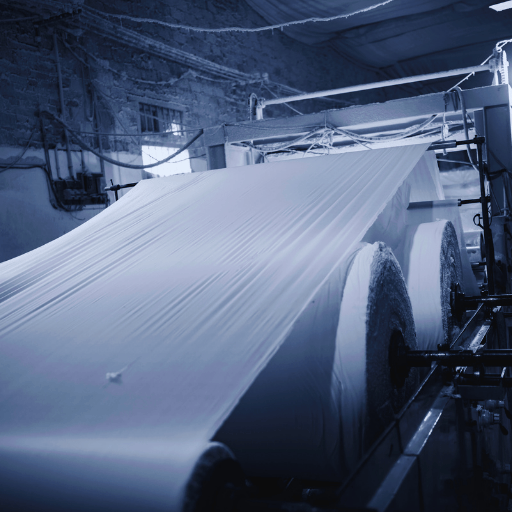
Water consumption is highly significant in this industry due to its water-intensive processes. Approximately 10 cubic meters of water are required for the production of one ton of paper from raw materials, making it one of the heaviest industrial users of freshwater on a global scale. It is mainly due to the large water requirements in pulping, bleaching, and chemical recovery processes. Although new technologies and water recycling practices have assisted the improvement of efficiency in the recent past, water resource depletion remains a grave issue for the industry, particularly in water-scarce areas.
Analyzing the Water Consumption of Pulp and Paper Mills
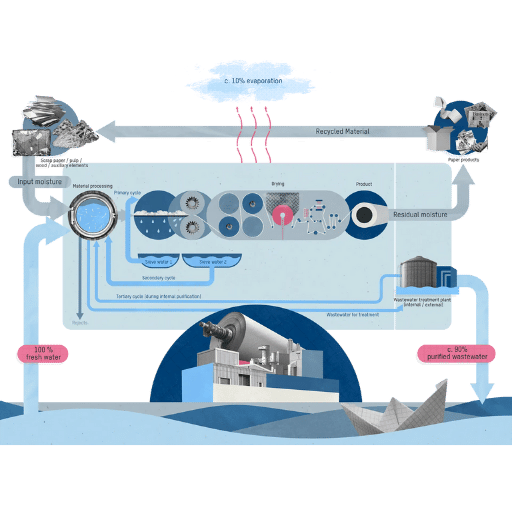
During operations, ample water is consumed at pulp and paper mills, especially water that is integral to the pulping process, which uses water to separate cellulose fiber from lignin, as well as bleaching and chemical recovery. In the industrial context, the pulp and paper industry is a major water user, as it accounts for almost 10 % of the water used in the industry.
Innovation Highlight: Some mills have started reusing up to 90% of the water involved in production as a result of new advanced filtration systems. Even with these considerable advancements, the need for water continues to prove a challenge, especially in regions that are arid.
Ched from worldbank.org Innovations, such as closing the water loop system and enhancing wastewater management technologies, have reduced water consumption per unit output. Aquifer depletion has been reported, so more innovation and tougher regulations will be needed to ensure water used in the industry is sustainable.
Exploring the Papermaking Process and Its Water Usage
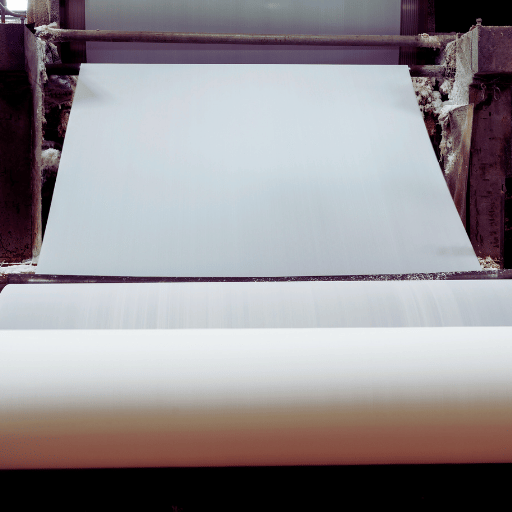
The most important thing served by the water is the transport of fibers to hold chemicals for dissolving; washing of pulp is greatly appreciated, with fresh water being used. Depending on technology and the efficiency of a paper mill, 10 to 50 liters of water on average are consumed in the making of one kilogram of paper.
Key Insight: Although advanced methods for recycling and closed-loop systems have considerably reduced water consumption in this sector, it is still a significant water user. Further advancements in reuse and efficiency in water systems in pulp and paper mills is essential to alleviating the environmental burden of paper production.
Factors Influencing the Volume of Water Used in Paper Production
- The type of pulp used
In comparison to virgin pulp, the production of recycled pulp has a less water-intensive process. - Production Technology
Modern water-conserving mills, with advanced technology and water recycling systems, tend to consume less water than older and less efficient facilities. - Mill Efficiency
The mill’s operational efficiency, in conjunction with the degree of water reuse, determines the amount of fresh water used. - Quality of Raw Materials
Less processing is often required with high-quality raw materials, resulting in decreased levels of fresh water consumption. - Paper Grade and Specifications
Type and grade of paper can equally impact the amount of water used, with specialty papers requiring more complex constructions, mandating higher water use. - Regulatory Standards
Regulatory measures and local environmental policies can create minimums and maximums of water consumption along with mandates of recycling, thus reducing the overall use. Legal Guidelines regarding the disposal of industrial wastewater are necessary to maintain balance and sustainability within the sector. - Climate and Geographic Location
These mills are located near abundant water sources, thus relying directly on the water. Mills that are in arid areas, however, tend to apply more rigorous water conservation measures. - Water Treatment Practices
Total water use is influenced by the degree and complexity of treatment that water is subjected to, both in the industrial processes and during the process of production. - Integration of Closed-Loop Systems
In closed-loop water use systems, mills reprocess water used in the production or process stages of pulp and paper, which lowers the intake of freshwater and greatly minimizes water use.
What Role Does Water Efficiency Play in Paper Production?
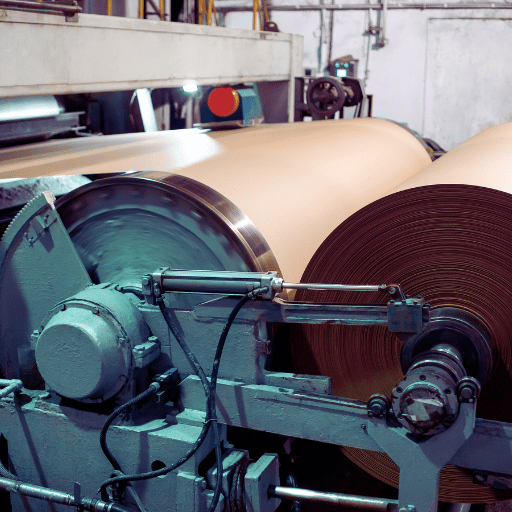
Implementing Water Management Systems in Paper Mills
Due to potential benefits including improved resource efficiency and lower environmental impact, the implementation of water management systems in paper mills is of utmost importance. Efficient systems are designed with the objectives of minimizing consumption of fresh water, recycling water used in the processes, and treating effluents to the targeted discharge standards.
Key Strategies Include:
- Apprehending varied facets of water utilization
- Improving work processes in order to reduce water consumption
- Adopting technologies like modern filtration and closed-loop systems
Implementation of these practices can bring down water consumption in paper mills greatly, along with other production processes and eco-friendly practices.
Technologies for Reducing Water Usage in the Pulp and Paper Industry
Technologies that minimize water consumption in the pulp and paper industry are water recycling systems, closed-loop systems, advanced treatment of wastewater, and other optimizations tailored to reduce the use of freshwater and the generation of wastewater.
| Key Point | Details |
|---|---|
| Water Recycling | Reuse water multiple times in processes like washing and cooling to enhance freshwater consumption. |
| Closed-Loop System | Minimize water intake and discharge by reusing treated water. |
| Advanced Treatment | Use technologies like filtration, RO, and biological treatment. |
| Process Optimization | Improve machinery efficiency and reduce water-intensive steps. |
| Audits | Conduct water use audits to identify reduction opportunities. |
| Zero Liquid Discharge | Eliminate wastewater discharge by recovering and reusing all water. |
| Energy Recovery | Recover thermal energy from water for reuse in processes. |
| Custom Solutions | Tailor technologies to specific mill needs and contaminants. |
Measuring Water Efficiency in Paper Production Processes
The calculation of the effectiveness of water use in a paper mill is done through an indicator known as water intensity. Water intensity is defined as the amount of water used to produce a ton of paper in the form of industrial water. This assists mills in gauging their efficiency on a broad scale.
Key Performance Indicators (KPIs) Include:
- Water Withdrawal: Total volume of water removed from source/s
- Water Recycling Rates: % of water reused in a cycle of production
- Discharge Volumes: Total volume of final effluent released after treatment
Systematic water assessments and flow monitoring systems are necessary to measure these and other factors. Using these parameters, mills are able to pinpoint inefficiencies and apply appropriate measures to minimize water usage without compromising output quality.
How Can Recycling Impact Water Use in the Paper Industry?
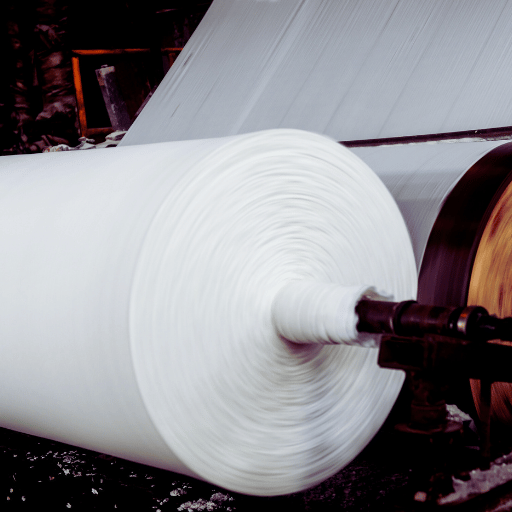
The Importance of Recycling in Reducing Water Consumption
Basically, recycling helps reduce water consumption in a paper mill. Recycled water is reused at mills, thus reducing freshwater consumption. The other side of the coin is that recycling reduces wastewater discharge, thus lessening the environmental impact within pulp and paper mills. Thus, water resources conservation, reduction in operating cost, and sustainable manufacturing are supported. Well-performing recycling systems must provide for these interests while ensuring product quality.
Innovations in Water Reuse for Sustainable Paper Production
Recent innovations in water reuse within the paper production industry focus on advanced filtration technologies and process optimization.
Membrane Filtration Systems
Ultrafiltration and reverse osmosis are membrane filtration systems that can concentrate on the removal of wastewater contaminants and allow their reuse in the production cycle without harm.
Closed-Loop Water Systems
These systems have been designed to treat and reuse water so that water can be saved during the production cycle.
These methods not only reduce water consumption but also help ensure compliance with environmental regulations, contributing to more sustainable and efficient operations.
Challenges and Opportunities in Utilizing Recycled Water
⚠️ Challenges
- High implementation costs
- Energy demands for treatment
- Water quality concerns
✓ Opportunities
- Enhanced drought resilience
- Long-term cost savings
- Sustainable water management
What Are the Environmental Impacts of Water Consumption in Pulp and Paper Production?
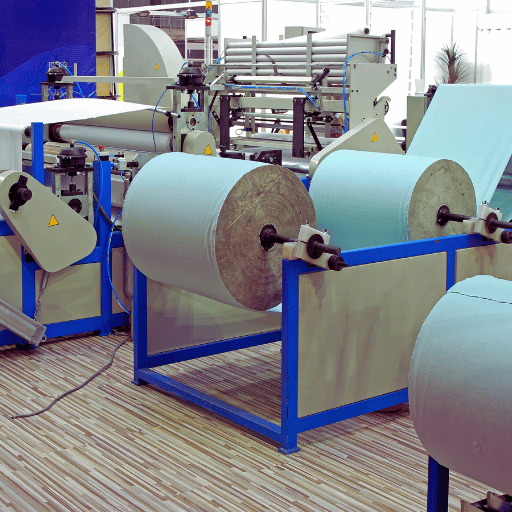
Assessing the Environmental Impact of Water Use in Paper Mills
Paper mills require a large amount of working water, which percolates and discharges sludged and contaminated wastewater into the ecosystem. Treating and processing this wastewater calls for a significant amount of power and energy. Despite the graveness of the scenario, tissues and paper products are punched out instead of considering the water-imporvished regions for sustenance. The amount of freshwater pulled from these regions is a cause for worry.
Environmental Concerns
The wastewaters produced frequently include constituents of organic nature, chemicals, as well as other contaminant substances. If left untreated, this effluent can deteriorate the quality of water as well as disrupt the balance of aquatic life.
Solution: The incorporation of proper reuse systems in conjunction with advanced treatment technologies of effluent water in pulp and paper mills could mitigate some of these impacts and consequences by decreasing freshwater usage and lowering the environmental impact caused by the mills.
The Role of Effluent Treatment in Mitigating Water Waste
Eliminating the waste streams from solar farms is paramount. Effluents discharged from solar farms and arrive at treatment systems and are analyzed for quality parameters. Treatment systems function to change the quality of the effluents. Appropriate methods can be used to remediate toxic chemicals, pathogenic microorganisms, or live particles, and excessive organic contents that can endanger water systems.
Advanced Treatment Technologies
- Biological Treatment: Involves employing microorganisms to decompose complex organic matter
- Filtration Systems: Abstract suspended solids and unwanted particulates
- Chemical Processes: Deals with the above harmful substances
The aforementioned technologies empower the recycling of water for industrial or agricultural purposes. Effluent treatment is a step toward sustainable water management as it reduces the consumption of freshwater and the risk of environmental pollution, achieving a practical balance.
Strategies for Reducing the Water Footprint of Paper Products
The water footprint of paper products can be reduced by using recycled materials, optimizing water-efficient production processes, and implementing water reuse systems.
| Key Point | Details |
|---|---|
| Recycled Materials | Use recycled pulp fibers |
| Efficient Sites | Choose water-efficient sites |
| Water Reuse | Implement closed-loop systems |
| Machinery | Adjust to need less water |
| Rainwater | Harvest and store rainwater |
How Can the Industry Tackle Water Scarcity Challenges?
Adopting Water Conservation Practices in Paper Manufacturing
Approaches towards resolving the challenges related to water scarcity in the industry should focus on incorporating sustainable practices in every stage of the paper manufacturing process.
Strategic Conservation Approaches
Prioritize the use of recycled materials
Select water-efficient facilities
Adopt advanced closed-loop systems to reuse water
Minimize water consumption through optimization
Explore rainwater harvesting to supplement water needs
By implementing these strategies, the industry can significantly reduce water usage while maintaining operational efficiency.
Addressing Water Scarcity through Sustainable Practices
Adopting an integrative approach alongside traditional measures will sharpen the focus of the response to water scarcity.
Innovative Solutions
- Precision irrigation allows for facilitating water use by applying only what is needed to the root zone of crops
- Water Reuse Systems provide for the effective treatment and reuse of wastewater in an industrial context
- Public Education encourages the understanding of water savings to enhance the protection of water resources at the community level
All these approaches play a significant role in the protection of freshwater resources and, at the same time, promote sustainable development.
Collaborative Efforts to Ensure the Water Sustainability of the Industry
To safeguard water sustainability in the industry, public-private partnerships, corporate water stewardship bodies, and appropriate innovation-based initiatives permit all entities to use water efficiently and ensure its security for communities and businesses.
🤝 Partnership Approach
Sustainable water development has to be the product of working together among all stakeholders, including the government, industry leaders, technology matrix, and local communities. The giving-and-taking of best practices will equip the industry to provide long-term solutions that serve both business operations and environmental health.
Frequently Asked Questions (FAQs)
Q: What is the typical amount of water used in paper manufacturing?
A: The average water consumption in paper making can differ greatly with respect to the kind of paper being produced and the kind of technology used. Depending on the efficiency, ranging from 5 to 20 gallons of water per tonne of paper is usual in any given pulp or paper mill, including their respective water management practices.
Q: How does the industry affect water resources?
A: The pulp and paper industry makes use of fresh water in large quantities for various processes such as pulping, bleaching, and paper making. Such dependence tends to deplete local water supplies, especially in areas of water shortage. That is why it is important to implement sustainable practices in water recycling.
Q: What is being done to improve water efficiency in the production of paper?
A: Many pulp mills are experiencing an increase in technology systems for improving industrial water efficiency. The closed-loop water systems recycle process water in pulp and paper mills, reducing the requirement for fresh water. Moreover, many companies implement water reduction targets to lessen their overall water use.
Q: How does water quality affect papermaking?
A: Water quality during papermaking is very important since it affects the performance of paper machines and the characteristics of the final product. Untreated water has effects such as poor paper strength and cost increases in water treatment; therefore, water quality management has become a priority in the pulp and paper industry.
Q: What are the consequences of water shortages on the paper industry?
A: Water shortages are a significant problem for the paper industry, as these conditions would interrupt production and lead to increased operational costs, especially in pulp mills. If water limitations arise, the mills might not be able to maintain the necessary water levels for their processing activities, like pulping or washing, thereby influencing the paper production process and subsequent quality.
Q: Can recycling reduce potable water consumption for paper making?
A: Yes, recycling acts in favor of the conservation of potable water in paper making. When recycled fibres are used, mills lessen their reliance on virgin materials and, to a great extent, the water consumed during various production processes. If water recycling techniques are employed properly, the paper industry would attain a higher degree of environmental sustainability.
Q: How does a wastewater treatment process fit into water conservation?
A: Wastewater treatment is of utmost importance when it comes to water use in the pulp and paper industry. It allows for process water to be reused in some stages of production; by doing this, dependence on fresh water is minimized. Apart from these, advanced technologies help in meeting the environmental standards while retaining the water quality.
Q: How much water is required to produce a ton of paper?
A: The consumption of water during paper making varies widely depending on the type of paper and the mill’s efficiency. It ranges on average between 10,000-15,000 gallons for each ton of paper made, with higher usages in less efficient mills.
Reference Sources
1. What Are The Water Uses In Pulp And Paper Mills?
mntap.umn.edu
This site provides the reference values for water use in pulp and paper mills, including efficiency metrics.
2. Lean & Water Toolkit: Chapter”>Chapter 2
epa.gov
The Environmental Protection Agency of the U. S. in cooperation with the U. S. Businesses in the pulp and paper industry, must prioritize sustainable water sources. is providing a toolkit dealing with various water-related wastes and their respective optimization, including an activity for paper production.
Key Takeaway
The pulp and paper industry should look at a more multiple fronts approach toward water sustainability. The industry needs to give priority to water conservation and has to come up with innovations to reduce its environmental footprint while still maintaining manufacture and having to meet the ever-growing demand of paper products around the world.