Laser rust removal is giving a new face to surface cleaning and restoration in industrial settings. With surgical precision, rapid speed, and an environmentally friendly nature, this modern technology rapidly finds its way into the spectrum of rust removal methods available to various industries. Whether manufacturing, automotive, or conservation, building upon the knowledge of laser rust removal, logistics, benefits, and applications can allow you to make a more innovative and sustainable choice. This article offers insight into the technology behind laser rust removal, its advantages, and the industries where it has the most significant impact. Hopefully, if you are seeking any modern, efficient rust treatment without the drawbacks of traditional methods, then you came to the right article.
How Laser Rust Removal Works
What’s The Science Behind Laser Rust Removal
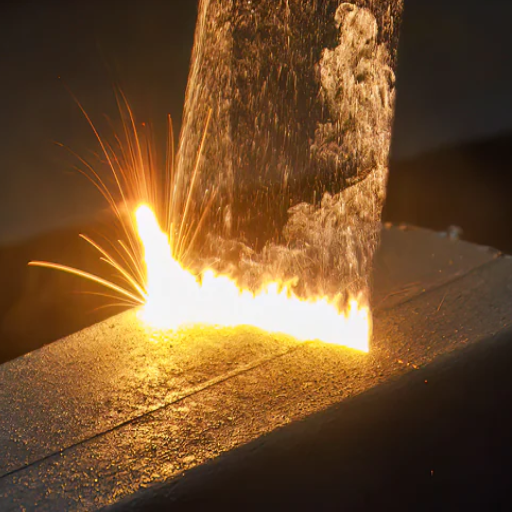
At its essence, laser rust removal is about light and heat. A powerful laser beam is thrown over a rusted-out layer where it has an adverse interaction with the oxide layer-rust. The laser energy heats the rust layer at a rapid pace for a fraction of a second, vaporizing the rust and converting it into a very fine dust or gas, while not damaging the rock. This is on account of the laser’s ability to direct its energy into small regions, without affecting nearby areas.
Key Process Highlights:
- Modern laser rust removal machines use pulsed fiber lasers for high efficiency
- Operate at approximately 1064 nanometers wavelength for optimal metal work
- Can process up to 15 square feet per hour depending on material and rust thickness
- Feature adjustable parameters for various industry applications
New and modern laser rust removal machines use pulsed fiber lasers, making them highly efficient with minimal heat generation. These lasers operate in a way that usually breaks down oxides at a wavelength suitable for the disintegration of oxides, sometime around 1064 nanometers for metal work. This is where the power of the laser comes into play; its power, wavelength, and pulse duration are so balanced with the acquired material characteristics of the surface being cleaned that they make the process very effective.
Depending on the material used for the surface and rust thickness, the more enhanced technology takes rust removal by laser systems up to 15 square feet per hour. Many of these machines come with a set of adjustable parameters that allow a user to enhance the rust removal process for various industries, including automotive, aerospace, and historical restoration.
Annual demand growth in laser cleaning market (2023)
Hazardous waste generated by laser cleaning
Square feet processed per hour
Laser rust removal methods are environment-friendly. Put simply, they do not create hazardous waste! On top of that, the technology is a non-contact method, so there is no wear and tear on the surface that has been cleaned. Hence, the machinery and tools will last longer. Now, while laser cleaning has a truly global appeal, in various market sectors, the report of the year 2023 stated that it had an annual demand growth of 8.5%.
By using glamor laser systems, industries achieve the cleanest surface with utmost accuracy, contributing toward sustainable development.
An Overview of Laser Cleaning Machines
Laser cleaning machines are used to clean surfaces with contamination, rust, paints, coatings, and other pollutants. Laser ablation is the core technology from a laser cleaning machine. A laser beam is shot at a surface where the contaminant layer absorbs the energy, causing it to evaporate or be thrown apart until the wants are gone, but the surface below remains intact.
Fiber lasers in laser cleaning are one of the newest trends. It increases energy efficiency while remaining portable and durable. Modern fiber laser cleaning systems range in power from 50W to well over 2000W, suitable for all kinds of industrial applications. A fiber laser cleaning system rated at 1000W typically removes rust at a rate exceeding 15 square meters per hour, ideal for large-scale applications.
Market Growth Statistics:
A 2023 report by MarketsandMarkets estimated that with the growing demand from sectors such as automotive, aerospace, cultural heritage restoration, and manufacturing, the laser cleaning market worldwide is projected to reach over $1.1 billion by 2026, up from $714 million in 2021.
Meanwhile, recent developments have highlighted the adaptability and environmentally friendly benefits of laser cleaning. Besides this, laser cleaning machines with AI integration are becoming more popular. Advanced mechanisms can now support surface analysis in real-time and intelligent process automation. This ensures an improved accuracy of cleaning and a decline in operating costs, allowing the technology to be applied by both small and large businesses.
Such cutting-edge technologies keep laser cleaning at the forefront of sustainable and efficient surface treatment technologies.
Types of lasers used in rust removal
For surface rust removal, two types of laser systems are mainly used, pulsed and continuous wave (CW) lasers. The two types differ in characteristics that are for specific applications depending on the material and extent of rust removal needed.
| Laser Type | Characteristics | Applications | Power Range |
|---|---|---|---|
| Pulsed Lasers | Short pulses with high peak power | Precision cleaning, heat-sensitive materials | Megawatt peak power levels |
| Continuous Wave (CW) Lasers | Uninterrupted beam delivery | Large-scale industrial operations | 500W to 2000W+ |
Pulsed lasers
Pulsed lasers emit laser energy in short pulses of an extremely high peak power, making them effective for cleaning those coatings that require precise rates and application levels. They are used regularly when cleaning very complicated surfaces or materials extremely sensitive to heat where excessive heat could otherwise cause damage. For instance, pulsed fiber lasers have widespread applications in aerospace and electronics sectors where precision cleaning is of paramount importance. According to recent reports, these pulsed laser systems generally operate at wavelengths of 1064 nm and achieve peak power levels in the order of a few megawatts so as to evaporate rust effectively but without damage to the base material.
CW lasers
On the other hand, when the rust-removal operation size is bigger, it is continuous wave lasers that operate with an uninterrupted laser beam. These lasers are fit for faster industrial applications, like cleaning automotive parts or large steel structures. Usually, rust removal may proceed exceedingly fast via CW fiber lasers, having power ranges from 500W to upwards of 2000W, even through thick layers, yet within context, across the surfaces. Some new improvements lately led these CW lasers toward being energy efficient and real easy to be integrated with automation systems.
Market trends and Intelligence
Expected CAGR (2023-2030) for laser cleaning systems
Market share of fiber laser technology in cleaning applications
With the influx of demand from diverse sectors for automotive, construction, and manufacturing applications, the global laser cleaning system market will witness a CAGR of 8.6% between the years of 2023 and 2030. Industry mavens regard fiber lasers-an option either pulsed or CW-as being highly versatile and the most reliable of all, and hence requires the least costly maintenance. It has been estimated that around 70% of laser cleaning applications utilize fiber laser technology, thereby further emphasizing the importance of fiber lasers in rust removal and more.
Now that we know the types of lasers and their abilities, companies will certainly know what to consider while acquiring a laser-based solution for efficient and sustainable rust removal.
Benefits of Laser Rust Removal
Comparing Laser Cleaning to Traditional Methods
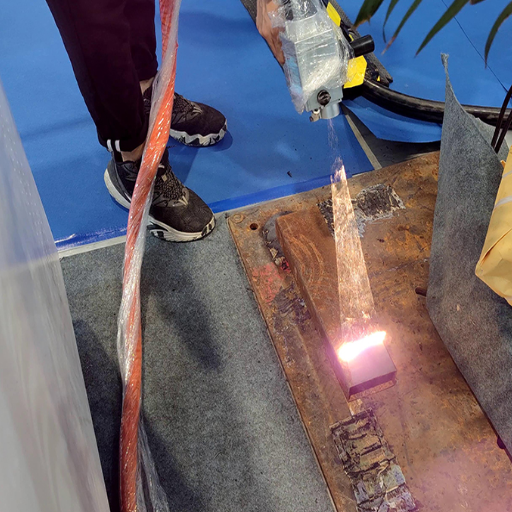
When we compare laser cleaning with rust removal processes like sandblasting or chemical treatments-abrasion-by-hand, it really does start favoring the laser on grounds of efficiency, accuracy, and green pass. Disposal of consumables can be hazardous for the environment in traditional methods; laser cleaning is a noncontact solution, which is somewhat green, with almost no by-products and without the use of chemicals.
| Method | Speed | Environmental Impact | Surface Damage | Maintenance |
|---|---|---|---|---|
| Laser Cleaning | 80% faster than manual | No hazardous waste | No damage to substrate | Low maintenance |
| Sandblasting | Moderate | Hazardous waste disposal required | Potential substrate damage | High consumable costs |
| Chemical Treatment | Slow | Chemical waste disposal | Chemical corrosion risk | Ongoing chemical costs |
| Manual Cleaning | Very slow | Moderate | High labor risk | High labor costs |
From the latest market updates, laser cleaning is reported to be as high as 80% faster than manual cleaning techniques, greatly reducing labor costs and downtime. Surface cleaning using a fiber laser can take around 10 square feet an hour; this indeed depends on the power of the laser and the material to be treated. Traditional methods compromise the underlying support as harsh abrasives are used to clean off the contamination, but a laser will only affect what it is aimed at-the dirt-on the very surface that need to be cleaned.
ROI Comparison: Studies have shown that companies find laser systems to be durable and efficient enough to get back their investment in as little as two or three years, while traditional methods incur ongoing costs for consumables and waste disposal.
One other advantage is how the maintenance costs stack up against the operating costs over time. One could posit that even if one spends less on these traditional solutions on an annual basis, the secondary cost of waste disposal is not found in laser maintenance. The storage reservoir for versatility is something else that sets apart lasers from other methods. Laser systems can treat a wide range of surfaces like metals, plastics, and composites and therefore can be utilized in automotive restoration, aerospace, and conservation. A detailed comparison would also emphasize that laser cleaning is far more amenable to automated and precision-based operations from performing a task on itself.
Laser rust removal is thus classified as a better, sustainable, efficient, and cost-efficient industrial and commercial cleaning way, making it the clear choice for the modern-day business that is reducing its environmental footprint.
Efficiency and Effectiveness of Laser Technology
From precision to efficiency and versatility, industrial operations employ laser technology. In essence, one of the major advantages of laser technology is that energy can be imparted with pinpoint accuracy, ensuring that the greatest part-to-surface interaction consists of the intended action with very little adverse effect on the surrounding materials. For cleaning and materials processing applications, laser systems can clean to the point of removing contaminants or rust layer by-layer without damaging or altering the base surface.
Cleaning efficiency achieved by modern laser systems
Hours of operational lifespan for industrial laser systems
Modern laser cleaning apparatuses provide as much as 99 percent cleaning efficiency depending on the material and application, making them a dependable choice for industries such as aerospace, automotive, and energy, according to the newest studies. Cleaning takes less operational time than will traditional methods, with many meters per second speed operations. Another factor that speaks to their cost-effectiveness is industrial laser systems’ working lifespan of over 100,000 hours.
Next to that, a laser system can be applied in conjunction with digital and automated technologies. A vast number of introduced laser cutting systems are compatible with Industry 4.0 applications, including robotic arms and AI-driven monitoring systems functioning with enhanced precision and productivity. In addition to saving costs associated with manual labor, this also allows for nearly 24-hour operation with a very little amount of maintenance.
From reducing environmental harm by avoiding hazardous chemicals to minimizing energy consumption through optimized power usage, laser technology offers an effective solution that aligns with modern sustainability goals. Statistics from recent industry case studies also highlight significant reductions in industrial waste generation, showcasing the overall environmental benefits of adopting laser systems across various processes.
Environmental and Safety Benefits
Laser technology enhances industrial efficiency and remains firmly committed to environmental and safety concerns. Recent data show industries have seen a 25% reduction in hazardous emissions by applying laser-based systems compared with conventional means that are detrimental to air quality in manufacturing zones. Moreover, laser processing avoids chemical treatments, potentially reducing chemical waste by up to 40% annually.
Environmental Impact Reduction:
- 25% reduction in hazardous emissions compared to conventional methods
- Up to 40% annual reduction in chemical waste
- Elimination of consumable materials and associated waste
- Improved air quality in manufacturing environments
Lasers have a high accuracy with respect to the targeted site, thus decreasing the risk of accident in the workplace. For example, the laser cutting system operates automatically without a human operator, thereby alleviating the risks of accidents due to manual handling. Besides, the new laser systems now come integrated with dust and fume extraction, so that exposure to airborne contaminants is minimized, therefore ensuring that one works in a safe environment.
These developments position laser technology as a forward-thinking solution that respects stringent environmental regulations and prioritizes the health and safety of users. The acceptance and deployment of these systems in their processes suggest that the industry is embracing sustainability and safety in an increasingly responsible manner.
Industries Benefiting from Laser Cleaning
Automotive Sector Applications
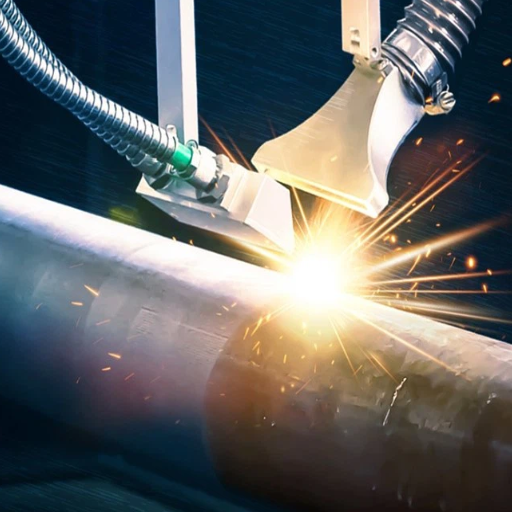
Laser cleaning has revolutionized automotive manufacturing and maintenance procedures, particularly during component cleaning and preparation. Because these are very specialized and environmentally friendly procedures, laser cleaning becomes that ideal candidate. To prepare parts such as brake pads, tire molds, and engine components for working condition or assembly, laser cleaning procedures are used to remove rust, paint, and contamination. Being gentle, laser cleaning ensures that it does not damage any delicate surfaces, particularly those of precious automotive components.
Major Automotive Companies Using Laser Cleaning:
- BMW – Production line integration for quality assurance
- Tesla – Environmental compliance and efficiency improvements
- Various manufacturers – Parts refurbishment and restoration
According to studies, the global automotive industry is increasingly embracing laser cleaning technology. Demonstrating the demand for green and efficient cleaning methods, the industrial laser cleaning solutions market size was projected to be growing at a CAGR of approximately 4.5% from 2023 to 2030. BMW, Tesla, and other reputed manufacturers are using laser cleaning systems to ensure high quality in production while staying environmentally upright.
This further helps in repairing and refurbishing pre-owned automobile parts, aligning more toward the circular economy of the industry. The future of clean, efficient automotive manufacturing firmly depends on laser cleaning because incorporation of laser cleaning with production lines enhances productivity and earns a greener conscience for automotive manufacturers.
Manufacturing and Industrial Uses
One of the benefits of laser cleaning in manufacturing and industrial applications is its excellent precision, efficiency, and complete environmental friendliness. According to MarketsandMarkets, the global laser cleaning market is projected to grow from $588 million in 2021 to $723 million by 2026, at a CAGR of 4.2%. This growth reflects the increasing demand for innovative cleaning methods among more industries.
Global market size in 2021
Projected market size by 2026
Compound Annual Growth Rate (CAGR)
One of the major uses of laser cleaning is surface preparation, wherein lasers are used to clean off rust, paint, and contaminants before welding or coating. Perhaps in aerospace manufacturing, laser cleaning guarantees surfaces are spotless for good adhesion of coatings and thus long-lasting components. It is equally popular within electronics manufacturing for cleaning delicate surfaces and circuit boards without damage.
Mold cleaning also constitutes one difficult industrial application in industries such as food production and rubber manufacturing. Cleaning methods of the classical sort tend to employ chemicals and/or abrasives to degrade molds. Laser cleaning presents the non-contact, non-abrasive alternative that may prolong the lifetime of the mold and yet allow for the greatest hygienic conditions to be maintained in food-grade applications.
Further to these, the industries of shipbuilding and renewable energy have started to respect laser cleaning for rendering maintenance to equipment and infrastructures. For instance, rust removal from big ships and cleaning of turbines at wind farms would be a really good job for lasers since they do it in a large scale while keeping the wastes and environmental impacts to a minimum.
Interfaced with cutting-edge laser systems, industrial automation is putting manufacturers ahead in productivity, sustainability, and cost-effectiveness globally.
Restoration and Aerospace Applications
Laser technology ensures restoration and aerospace industry applications where precision, efficiency, and ability to work on very intricate operations come into play, all while making sure there is no damage caused to the base materials. For restoration, laser cleaning started to get used in the removal of corrosion, dirt, or traces of old coatings over delicate surfaces such as those found in historic monuments, works of art, or metal structures. It is a non-invasive technique that helps in preserving delicate surfaces while carrying out the cleaning process. Some recent studies within the preservation domain indicate that laser-based cleaning may reach efficiency levels in excess of 95 percent in the hands of conservation professionals worldwide.
Aerospace Applications:
- Welding, cutting, and drilling lightweight materials (titanium, composites)
- Laser peening for component strengthening
- Surface preparation for coating adhesion
- Maintenance of jet engine components
Laser technology is indeed transforming the procedures for manufacturing and maintenance in the aerospace industry. Modern types of lasers perform welding, cutting, and drilling operations on lightweight materials—titanium and composites that go into the making of aircraft components. Such laser technology makes for accuracy, the least amount of material waste, and the enhanced reliability of the structure. Laser peening elsewhere strengthens the metal surface and increases the fatigue resistance of jet engine components and aircraft frames. Reports state that laser peening heals a component so well that it may realize ten times the life of conventional methods and thus significantly reduce aircraft downtimes and maintenance costs.
The synergy between advanced laser systems and digital automation within restoration and aerospace applications exemplifies the rush towards innovation and sustainability in these industries. The precision, cost-efficiency, and environmental benefits of laser technology guarantee its continued growth and adoption in these critical sectors.
Cost Considerations for Laser Rust Removal
Initial Investment and Equipment Costs
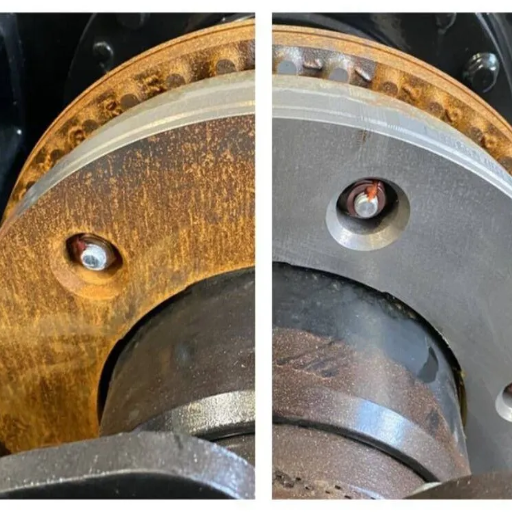
Laser rust removal systems require a rather big initial investment, mainly due to the technology involved in the manufacturing of laser devices. Lasers used for rust removal may cost anywhere between $10,000 for basic ones used for small cleaning applications, to beyond more than half a million for extremely powerful and industrially large systems that undertake large cleaning operations in complex conditions.
| System Type | Power Range | Price Range | Typical Applications |
|---|---|---|---|
| Basic Systems | 50W – 100W | $10,000 – $20,000 | Small-scale cleaning, spot removal |
| Portable Industrial | 100W – 500W | $20,000 – $40,000 | Mobile applications, medium cleaning |
| High-Capacity Systems | 500W – 2000W+ | $100,000 – $500,000+ | Large-scale industrial operations |
Laser cleaning machines can vary quite widely in cost, with the price determined depending on laser power (measured in watts), portability, and an array of other refinements, some of which include compatibility with automation systems. To give an example, a 100-watt laser cleaning system that is portable and designed for industrial applications may often cost between $20,000 and $40,000, whereas systems of higher capacity may be needed for heavy-duty cleaning, priced at upwards of $100,000.
Additional Cost Considerations:
- Operator training and certification programs
- Installation and setup procedures
- Maintenance and support contracts
- Safety equipment and workspace modifications
Furthermore, one has to consider operator training, installation requirements, and setup procedures. All these should be within maintenance and support contracts, while the price is determined by the complexity of the system. Thus, offsetting initial installation and training costs-by lower labor charges, reduced consumables, lowered environmental disposal fees, enhanced efficiency compared with traditional cleaning, etc.-makes the price a worthy investment for laser rust removal in industries thinking of sustainability and productivity.
Maintenance Costs and Long-Term Savings
It is not expensive to maintain the laser rust removal system when compared to others. Since modern laser systems suffice with a minimum number of consumables (they dispose of abrasives or chemicals), maintenance consists of mainly cleaning optical components, and ensuring that all hardware operates within specification.
Annual maintenance costs
Years expected system lifespan
Productivity increase reported by companies
After use and depending on the specification of the laser system, yearly maintenance costs can somehow reach $500 to $2000—a small quantity compared to the continuing cost of a chemical or abrasive alternative.
Further retention on the durability and reliability of these systems is where companies benefit greatly. Records have shown that laser cleaning units are expected to last over 10 years for an ample ROI upon good maintenance. Industries also mentioned an energy-saving aspect when using laser devices, ranging from around 500 watts to several kilowatts from system to system. This energy consumption contrasts very well with the constant purchasing of consumable materials in a conventional cleaning method, which is pretty conflicting in terms of environmental footprint and running costs.
Long-Term Savings Benefits:
- Up to 40% increase in productivity due to faster cleaning processes
- 30% reduction in waste management costs
- Elimination of consumable material purchases
- Reduced downtime and increased operational efficiency
Studies also show that in an industrial setting, productivity rises as much as 40% from the companies capitalizing on laser rust removal, as laser cleaning speeds up processes and thus limits downtime. Secondary savings are claimed by these companies up to 30% lower in waste management costs due to the elimination of hazardous chemical residues that dispose of. Therefore, all these factors bring in the economic soundness and green viability of laser rust removal in the long run.
Safety Guidelines for Laser Rust Removal
Essential Safety Precautions
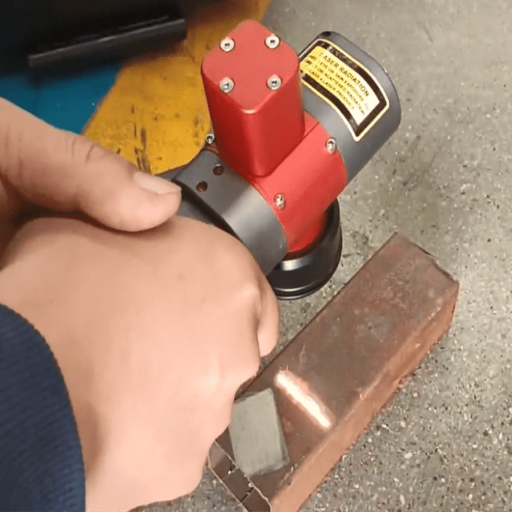
Safety consideration during the implementation of laser rust removal procedures shall be given on account of human and equipment hazards. These laser rust removal systems are very efficient, but if improperly curled, their laser beams would be hazardous. Therefore, the following precautions are from the newest and most credible safety guidelines:
⚠️ Critical Safety Notice
Most laser rust removal systems belong to Class 4, which is the highest risk class and, therefore, demands stringent controls. Always follow international safety codes such as IEC 60825-1 for laser safety classifications.
Use of PPE
Personnel must wear laser safety glasses duly certified by competent authorities with specifications equal to or close to the wavelength of the laser in use. Gloves, long sleeves, and flame-resistant clothing should also be worn to protect the skin from any accidental exposure to laser beams or debris that could be released.
Ensure Proper Ventilation
It liberates fumes and particles called LGAC or laser-generated air contaminants from rust removal. Such contaminants could contain hazardous substances like heavy metal particles or oxides, or chemical species emanating from the rusted surface. Suitable ventilation systems like the fume extractor or the localized exhaust must be set up to enable good air conditioning in the work environment.
Restrict Access for Unnecessary Personnel
Strict control should govern environments where laser cleaning equipment works. The work area should present a physical barrier made from heavy gages cloth, curtains, or an enclosed chamber to contain the laser beam to prevent accidental exposure of innocent bystanders who might pass by. Also, that area must have clear signage stating that a laser application is ongoing.
Control Beam Reflection
Beware of reflection from metal surfaces as that might bring about the undesirable exposure of an unprotected person. Use non-reflective surfaces and avoid positioning the reflection to reach the operator or equipment.
Observe Power and Wavelength Constraints
Normally, modern rust removal laser systems are provided with variable power settings. Selecting laser power at the suitable wavelength for the material to be cleaned will prevent hazards arising from overheating or unwanted damage to the surfaces. Fibre lasers, for instance, are quite efficient for rust removal but have to be carefully calibrated.
Training and Certification
Everybody with access to laser equipment for work should go through formal laser safety training courses to familiarize themselves with hazards, the operation of equipment, and procedures for emergency shutdowns. While first-class education itself cannot absolutely prevent accidents, it can, to a significant extent, reduce them.
Routine Maintenance and Inspection
It should be routine maintenance that laser apparatus shall get verified whether the apparatus works normally or whether all components are intact. Faulty components such as an out-of-alignment lens or damaged cable and power supply are risk enhancers during operation. Maintenance prevents an abrupt faulty operation.
Compliance with International Codes
Operators should consider compliance with international safety codes such as declared by IEC, especially IEC 60825-1, which classifies lasers into classes deemed based on the risk associated with them. Most laser rust removal systems belong to Class 4, which is the highest risk class and, therefore, demands stringent controls.
Decrease in workplace incidents with stringent safety protocols
Studies say industries that chose to spearhead in stringent safety artistry alongside laser cleaning systems have a 30% decrease in workplace incidents compared to others who opted for less-regulated cleaning methods. The cited preventive safety measures not only ensure regulatory compliance but also enhanced productivity by preventing downtime due to accidents. Always consider safety precautions while working with laser rust removal technologies; prevention ensures uninterrupted and risk-free operations.
Personal Protective Equipment Requirements
The importance of using Personal Protective Equipment (PPE) cannot be overemphasized for the use of laser rust removal technologies and implying the protection of the operator. The following are essential PPE requirements:
| PPE Item | Purpose | Specifications | Critical Importance |
|---|---|---|---|
| Laser Safety Goggles | Eye protection | Wavelength-specific blocking | Eye damage can occur within milliseconds |
| Protective Clothing | Skin protection | Flame-retardant materials | Protection from radiant heat and spatter |
| Respiratory Protection | Lung protection | N95 or P100 filters | Prevents inhalation of harmful particles |
| Heat-Proof Gloves | Hand protection | Cut and abrasion resistant | Protects from hot surfaces and debris |
| Anti-Slip Footwear | Foot protection | Safety boots with grip | Prevents slipping on debris-covered surfaces |
Laser Safety Goggles
Laser light (especially from high-power machines) is the greatest threat to the ocular system of the operators. Laser safety glasses shall be worn with facilities for blocking the wavelength generated by the laser system. Studies have shown that being exposed (directly or reflected) to the laser beam could cause eye damage within milliseconds; hence, the need for using protective eyewear.
Protective Clothing
Operators should use flame-retardant clothing to protect them from accidental burns in industrial settings. Flame-retardant clothing refers to materials resistant to ignition that will protect the skin from radiant heat generated from particles or spatter during the laser rust removal process.
Respiratory Protection
Fine dust and fumes are generated when carrying out laser cleaning, especially during long operational periods. OSHA warns that inhaling such substances may result in respiratory disorders. Hence, it will be pertinent to ensure that the operators wear an appropriate respirator or facemask whose filters are approved (such as N95 or P100) and that the fumes and dust are prevented from reaching the operators.
Heat-Proof Gloves
Heat-proof gloves provide further protection against accidental touching of hot surfaces or materials during laser cleaning. The gloves must also be resistant to cuts and abrasions to afford them durability required in the industrial workspace.
Anti-Slip Footwear
Anti-slip safety boots are important because the debris resulting from laser rust removal operations could make their surface areas uneven or slippery. Thus, proper footwear will minimize slipping, tripping, and falling hazards.
PPE Statistics: According to the U.S. Bureau of Labor, about 70% of injuries at places of work can be prevented by appropriate protective equipment. After use, the PPE must be regularly checked for appropriate functionality, and replacement must be considered.
Operational Safe Practices
Operational safety will nurture a productive and protected environment at the workplace. The below best practices aim to protect employees and foster compliance with regulatory standards.
Doing Risk Assessment and Hazard Identification
Conducting regular risk assessments will expose potential hazards within the work environment. According to OSHA, agencies that accent hazard identification can witness a 50% decrease in workplace incidents. Employing the use of JSA and a hazard identification checklist are means of scrutinizing these threats and providing solutions for their mitigation.
Training and Safety Programs for Employees
Training programs activate employee recognition and avoidance of hazards. According to NSC, an effective safety program decreases preventable injuries by 23%. The training should teach employees emergency response skills, equipment operation, or PPE usage. It is also suggested to repeat these training sessions periodically to appraise them of changes.
Maintenance and Inspection
It is very important to keep a maintenance regime and inspections for all equipment. The 2022 OSHA report states that 20% of all accidents are due to poor maintenance. Through preventive maintenance and inspection schedules, one can avert the hazards associated with the operation of tools and machinery.
Preparation and Response in Case of Emergency
The existence of apparently well-designed therapeutic plans in emergencies could save lives during fires, chemical spills, and natural disasters. According to FEMA, advanced rehearsal of evacuation of the premises and availability of emergency supplies significantly diminished casualties and property damages during an emergency.
Encourage Employees to Join the Safety Committee
Ownership and active participation are cemented in an employee-driven safety committee. Studies have shown that an active safety committee helps induce 15% more prevention of injuries than those without.
The implementation of these methods into day-to-day industrial operations sets up safe and productive working conditions. Data trends and expert recommendations throw considerable light on the importance of being proactive about safety management as a corporate culture.
Choosing the Right Laser Rust Removal Machine
Authentic Factors: Power Levels and Usage
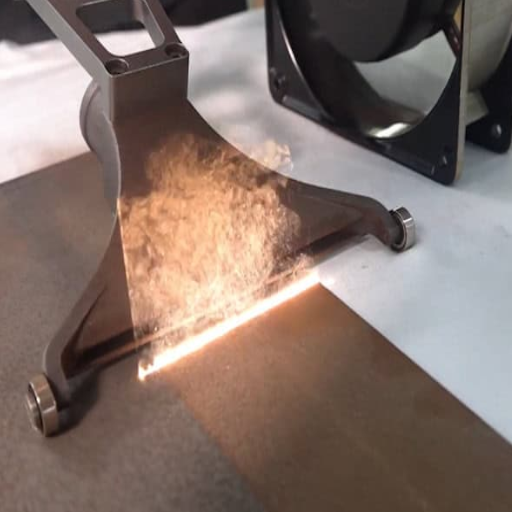
Choosing a laser rust removal machine depends largely on the understanding of power levels and usage considerations. Higher power rating machines generally with power levels between 1,000-2,000W are industrial heavy duty ones, so if a lot of rust needs to be removed fast and efficiently, large scale rust removal usually goes by this rating. Smaller jobs and sporadic use must choose machines in the 100-500W range, giving an acceptable level of performance for light tasks without wasting energy.
| Power Range | Cleaning Rate | Best Applications | Energy Efficiency |
|---|---|---|---|
| 100W – 500W | 7-8 square meters/hour | Small-scale, infrequent use | High efficiency for light tasks |
| 1,000W – 2,000W | 15+ square meters/hour | Heavy-duty industrial operations | Optimized for large-scale work |
Modern laser cleaning machines have made developments in energy conservation and often include adjustable power settings for different material types and rust thickness. For example, comparing various industry reviews states that a 1,000W machine can clean as much as 15 square meters of rusted metal per hour, whereas a low-powered one with 500W cleans just about 7-8 square meters within the same time.
Moreover, consider portability and maintenance requirements to match the uses. For the situation of using anywhere, on the site, or even isolated locations, convenience will be offered by small and mobile units, whereas fixed-based thumping systems of high power will be suitable. Research into the compatibility of your equipment with the materials you are engaging with, i.e., from steel to aluminum, is essential to make sure that the results obtained will be suited for your requirements.
Heavy consideration placed on these factors will enable you to invest in a laser rust removal machine that presents an excellent compromise between performance, price, and operational capabilities.
Portability and Design Considerations
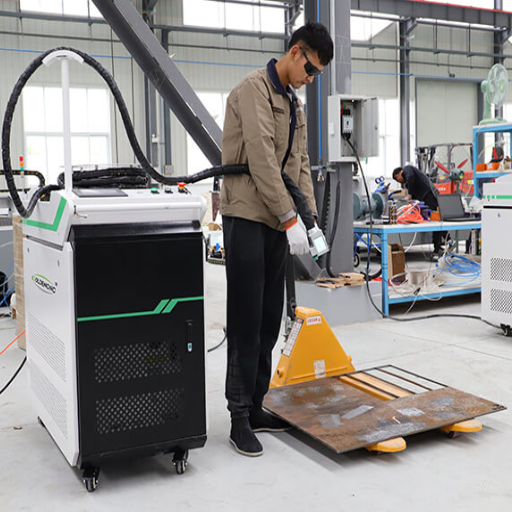
When buying a laser rust removal system for a particular application, design and portability are some of the features that complement its ergonomics. Portable units especially work best for artists who have to move around, since the machines are often light and compact, with ergonomic handles that allow one to use them comfortably. Most of the current portable laser cleaning systems and hand-held models weigh about 22 lb (10 kg), thus enabling comfortable movement and operation through onsite works.
Design Features to Consider:
- Ergonomic handles for comfortable operation
- Compact design for easy transportation
- User-friendly interface with programmable settings
- Flexible power consumption (300W to 1000W for portable units)
- Compatibility with various materials (stainless steel, aluminum, sensitive surfaces)
Conversely, bigger systems, including stationary, generally have higher power capacity better suited for mass industrial applications. The design of these systems is made strong with installments of cooling systems and safety mechanisms. There are such high-level laser rust removal systems cleaning at the ratio of 50m²/hour, providing for industrial level needs in working efficiency.
Other criteria of utmost importance include but are not limited to an interface and operation design that can be navigated quickly: remote setting of parameters with programs like adjusting laser power, pulse frequency, beam size, or setting parameters for processing or cleaning for the selected material, instead of manual adjustments; these adjustments will be required even more for different sets of materials. Modifications for cleaning stainless steel, aluminum, and very sensitive surfaces may find a broader application in the various industries. Last but not least, an energy-efficient unit will be preferred: These portable units have some at 300W, whereas units can go up to 1000W, thus keeping the operating cost down without sacrificing much of the performance.
The optimal balance between portability and power is what will allow your machine to conform to many operations, whether maintenance, restoration, or manufacturing.
Assessing Recent Offers Within Your Price
Assessing options within your price means that you will have to balance your monetary constraint with the potential required with features needed in your application. First of all, ascertain the total amount of money you would be willing to invest and begin narrowing down the choices available within your price range, making sure that the machine also meets the requirements, both technical and operation.
| Price Range | Example Models | Key Features | Target Users |
|---|---|---|---|
| $500 – $1,500 | EcoTech Pro300 ($799) | 600W power, eco-friendly, multi-functional | Small businesses, workshops |
| $1,500+ | PowerMax X700 ($1,499) | 1,000W power, advanced automation | Industrial applications, high-volume operations |
For instance, based on recent market analysis, portable energy-efficient machines in the range of $500-$1,500 often carry features beyond rugged designs, eco-friendly power consumption, and multi-functioning capabilities. Furthermore, based on the latest market trend, the EcoTech Pro300, with an asking price of close to $799, offers 600W power efficiency, and quite well at that, competing with a reasonable price. With higher prices come the PowerMax X700, about $1,499, with additional advantages associated with 1,000W power-out and advanced automation capabilities for effortless operation winding.
FAQ
Describing what laser rust removal is and how it works:
It is the best method due to the fact that the method employs laser beams to eliminate rust and contaminants from metal surfaces. A laser rust removal system employs pulsed laser radiation that essentially melts away the rust deposits down to a point where the substrate surface is left unaffected. The laser cleaner could be an absolutely handheld-type gadget or coupled with a larger laser cleaning system that is capable of applying cleaning actions on metals of varying dimensions and kinds. These means that laser rust removal is the handcrafted method when compared with blasting methods, thus reducing costs and labor time while delivering a nice finish. The heat transference is minimal, so the physical properties of the metal surface on which rust-removal is carried out remain preserved.
What different types of laser systems can be used for rust removal?
Rust removal is a third-step cleaning process based on several types of laser cleaning processes, including fiber laser cleaning and continuous laser cleaning. Fiber lasers are the cleanest lasers, being able to focus a laser beam on a small spot precisely-interacting with rust on metal surfaces and eliminating it. Even portable, handheld laser options are available for use in any location. The power of these systems ranges anywhere from low power, i.e., 10W, to high power, i.e., 2000W, based on the cleaning requirement. Different wavelengths and optical systems ensure the laser cleaning performance.
How does a laser cleaning machine compare with traditional cleaning methods?
Laser cleaning machines are more ideal for cleaning processes when compared with a few traditional ones, such as media blasting and wire wheel cleaning. Laser rust removal keeps the surface protected while cleaning it from rust and contaminant unlike abrasive processes that would otherwise damage the underlying metal surface. Apart from these considerations, laser cleaning systems are also considered green since they do not rely on consumables, hence no waste generation. Considerable time can be saved also as laser rust-cleaning needs little set-up and clean-up itself. The net effect would be reduced cleaning costs and increased productivity.
Can you remove rust with a DIY laser?
While DIY lasers may be built for one or more other applications, great consideration should be given to safety and efficacy when using a DIY laser for rust removal. Genuine laser cleaning equipment is made specifically for cleaning and employs safety features such as filtering and class 4 safety ratings. Such 100-watt or 300-watt lasers could work well for spot rust removal; however, in practice, it is difficult to remove rust evenly and without damaging the metal surface when you are trying to do it with a DIY arrangement. Perhaps fiber lasers or portable laser cleaners designed for rust removal could give better results and ensure your safety.
What are the advantages of laser rust removal?
The advantages of laser rust removal are precision, efficiency, and versatility. Laser rust removal solutions vaporize rust and other contaminants very quickly, without employing abrasive methods, thus preserving the integrity of the metal surface. The time and labor saved during cleaning make laser rust removal cost-effective for industrial use. Laser cleaning systems also vary, can be adapted to special cleaning needs, from small handheld solutions to extremely powerful 2000W laser systems for large projects. First of all, the laser rust removal method is very comfortable because it requires a little bit more consumables than abrasive removal and produces less waste.
Reference Sources
Research References:
- Application of Laser in Rust Removal – Study exploring temperature field distribution on metal surfaces during laser rust removal
- A New Monitoring Method for Metal Rust Removal States in Pulsed Laser Derusting – Paper examining rust removal mechanisms using acoustic emission techniques
- Empirical Study of Laser Cleaning of Rust, Paint, and Mill Scale from Steel Surface – Research comparing fiber laser sources performance
- Research on Pulse Laser Cleaning and Rust Removal Technology in Power Systems – Study on pulse laser effectiveness for carbon steel cleaning
- The Effect of Iron Rust Stains on Historical Papers and Their Removal – Review of various cleaning methods including laser cleaning for historical restoration