The footwear industry has witnessed remarkable advancements over the years, but the modern shoe making machine has introduced a new level of innovation which stands as the most significant development in the industry. The advanced devices have transformed the entire process of shoe creation through their ability to establish a new standard which combines sustainable manufacturing methods with precise production capabilities and efficient operational procedures. Shoe making machines serve as vital resources which enable manufacturers to create products that satisfy the needs of modern consumers because they automate labor-intensive processes while enabling complete product personalization. The article examines how these groundbreaking machines create new possibilities for footwear production while creating production efficiencies and establishing upcoming market trends which will benefit companies and their customers.
Understanding Shoe Making Machinery
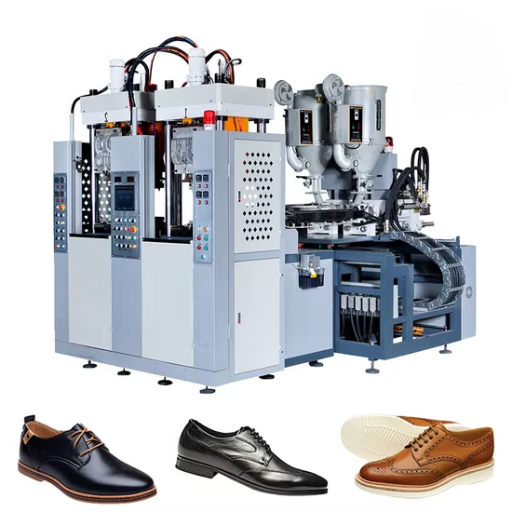
Shoe making machinery includes equipment which automates and improves the entire process of making shoes. The machines execute their functions by cutting and stitching and molding and assembling different components with high precision and fast speed. The company uses advanced technological systems to maintain product quality and decrease manufacturing duration and protect material resources. Modern shoe making equipment enables manufacturers to produce customized products which match the diverse needs of their customers. The innovation has transformed the whole industry because it enables people to obtain fashionable footwear.
The Importance of Shoe Making Machines in Modern Manufacturing
Shoe making machines serve essential functions in contemporary manufacturing processes by enabling manufacturers to achieve greater operational efficiency and production capacity. Consumers today expect their footwear products to meet both high quality standards and environmentally friendly manufacturing requirements. Advanced shoe making machines address these demands by integrating precision engineering with sustainable practices which include using eco-friendly materials and reducing waste.
The machines use automated systems which enable them to manufacture products at increased production rates while maintaining consistent product quality. This advanced technology enables manufacturers to meet international market demands while they adapt to changing customer needs and sustain their business advantage through ongoing product development. Shoe making machines serve an essential role in shaping upcoming changes within the footwear manufacturing process.
How Shoe Making Machines Function
Shoe making machines operate by streamlining the various steps involved in the production of footwear. The process begins with cutting because the machine uses its precise cutting ability to create shoe components from leather and fabric and synthetic materials. Automated cutters and laser-cutting systems establish precise cutting standards that help manufacturers use their resources effectively while reducing material waste.
The machines proceed to assembly which requires them to perform stitching and gluing while joining different shoe components such as the upper and the sole. Specialized stitching machines handle intricate sewing patterns while adhesive application systems ensure strong and durable bonding of components. Robotic arms and automated systems enable precise part positioning during automated assembly operations which reduce the need for human workers.
The finishing process requires three steps, which include shaping and polishing and quality checking. Machines help mold the shoes into their final forms, which ensures they maintain design specifications throughout their manufacturing process. Polishing machines improve footwear appearance, while automated inspection systems detect any defects to ensure superior quality. Shoe making machines create a continuous production process that satisfies both manufacturers and consumers through their complete integration of production steps.
Impact of Shoe Making Machinery on Production Efficiency
The development of shoe making machinery has changed production methods by decreasing the need for workers and making production processes faster. The automated systems control all steps of the manufacturing process which includes cutting and stitching and assembly and quality control. The advanced machinery system helps to decrease material waste while it improves resource management and maintains consistent product output.
The faster production process enables companies to increase their output capacity without sacrificing product quality. The combination of computer-aided design and robotic integration has improved manufacturing accuracy which allows producers to quickly adjust to market needs while keeping costs down. The shoe making machinery system has established new productivity benchmarks which all companies in the industry must now achieve to remain competitive.
Types of Shoe Making Machines
Machines
Cutting Machines: Precision in Material Preparation
Cutting machines serve essential functions in shoe production because they prepare materials with exact accuracy during their initial production phase. The machines use advanced technologies which include laser cutting and CNC systems and automated blade systems to achieve unmatched cutting precision. By cutting materials such as leather and textiles and synthetic fabrics with high precision the process helps businesses to achieve maximum material efficiency while decreasing waste. Businesses are increasingly adopting digital cutting systems to improve efficiency and reduce production time. The new method increases cutting precision but it helps manufacturers to produce custom designs at a faster rate and lower cost. The material preparation process depends on cutting machines because they serve as essential equipment in contemporary footwear manufacturing.
Machines
Stitching Machines: Ensuring Durable Construction
Stitching machines function as essential equipment for manufacturing footwear because they produce strong and long-lasting shoe materials. The machines are built to stitch various materials which include leather and fabric and synthetic textiles to create strong seams that withstand wear. Advanced stitching machines provide automatic thread trimming and adjustable stitch length and multiple thread type compatibility which makes them suitable for both traditional and modern shoe designs. The machines deliver stitching results which maintain consistent quality which helps improve the footwear comfort and visual appeal and durability of the product. The shoe industry now demands more customized products because technology has enabled stitching machines to work faster and better while meeting this new requirement.
Machines
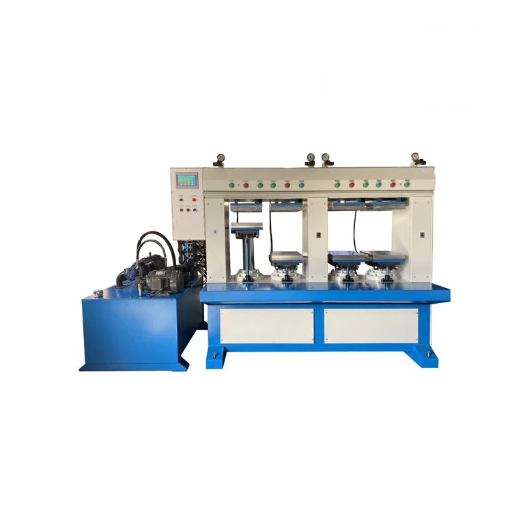
Sole Pressing Machines: Creating Strong Shoe Soles
Sole pressing machines serve an essential purpose by ensuring that shoe soles are securely and uniformly attached to the uppers. The machines use exact pressure and temperature control to create strong permanent bonds between the two parts. The process leads to better footwear quality which results in enhanced durability and ability to withstand damage.
Sole pressing machines deliver their main benefit by producing identical results across every test. The machines operate by distributing equal force throughout the complete shoe sole area which helps prevent both bonding deficiencies and uneven surface connections. Consistent quality control system establishes vital requirements which shoe manufacturing operations need to achieve during their production process.
The machines enhance operational efficiency while increasing work output by creating a more efficient method for attaching soles to footwear. Current sole pressing machines use technology which enables manufacturers to create precise shoe products using different design elements and material combinations. The production system achieves customer requirements for strong and high-quality footwear through its efficient production capabilities.
Features and Benefits of Shoe Making Machinery
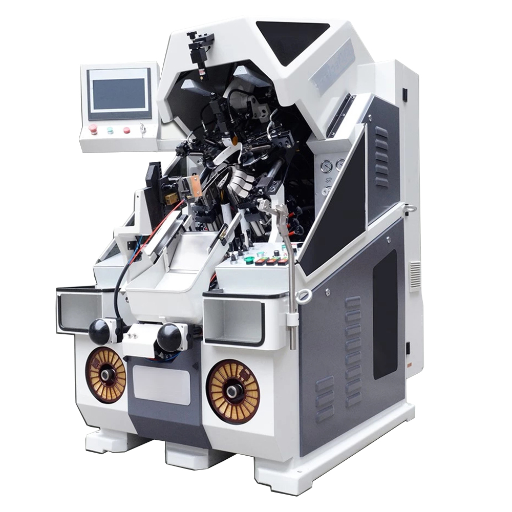
Increased Efficiency and Reduced Labor Costs
Shoe making machinery increases production speed because it can do tasks which require extensive time and effort to complete through manual work. The automation of processes like cutting, stitching, and sole attachment allows manufacturers to produce more shoes in less time. This improvement leads to higher productivity levels while it decreases production delays which make it possible to meet project deadlines without fail.
The primary benefit of the system allows companies to spend less money on employee wages. Advanced machinery enables manufacturers to reduce labor costs by reducing the number of staff needed for operational duties. The machines execute their assigned repetitive tasks with exactitude which decreases the likelihood of human mistakes that would require additional work. The process enables a more efficient workflow that provides long-term advantages which conserve both time and financial resources.
The production of shoes depends on shoe manufacturing machinery which produces uniform products with exceptional standards. The automated systems can handle complex designs and diverse materials with accuracy because they eliminate variations which manual labor causes. Maintaining quality standards allows companies to reduce material waste while using their raw materials to maximum capacity which results in additional financial savings. Manufacturers who want to boost their business operations should acquire shoe making machinery because it offers advantages that will enhance their productivity and profit margins.
Precision and Quality in Shoe Production
Modern shoe production machinery uses advanced technology through its computer-aided design (CAD) systems and automated cutting tools to achieve exceptional precision. The manufacturing process benefits from these innovations which allow for the creation of complex patterns and designs that maintain a high level of accuracy. The company uses high-quality materials throughout its operations to create products that will last and satisfy customers. Automation drives productivity forward because it decreases human mistakes which leads to consistent results throughout multiple product production runs. The new precision and quality enhancements enable manufacturers to compete in today’s marketplace while delivering high-quality footwear products.
Adaptability Across Different Footwear Segments
Shoe making machinery has been developed to support manufacturers who need to produce various types of footwear. The current production equipment enables manufacturers to create various types of athletic shoes and formal shoes and specialized orthopedic shoes. The advanced system of manufacturing equipment enables production facilities to operate various styles and sizes and materials through its customizable system and modular design components.
Footwear varieties have become more popular among consumers who show interest in niche products such as “sustainable sneakers” and “custom orthopedic shoes.” The current shoe making machinery system provides essential operational capabilities that enable manufacturers to develop new products while meeting current market demands. The system gives manufacturing companies a competitive advantage because it enables them to meet different needs of customers from all around the world.
| Segment | Key Machine Requirements | Primary Materials |
|---|---|---|
| Athletic Shoes | Sole pressing, stitching, molding | Synthetic fabrics, EVA, rubber |
| Formal Shoes | Lasting machines, precision stitching | Leather, textile linings |
| Orthopedic Shoes | Modular systems, custom CAD cutting | Specialty foams, leather |
| Sustainable Sneakers | Eco-material compatible cutters | Recycled fabrics, bio-rubber |
| Boots | Long-arm sewing, hydraulic pressing | Heavy leather, rubber |
Market Trends in Shoe Manufacturing Machines
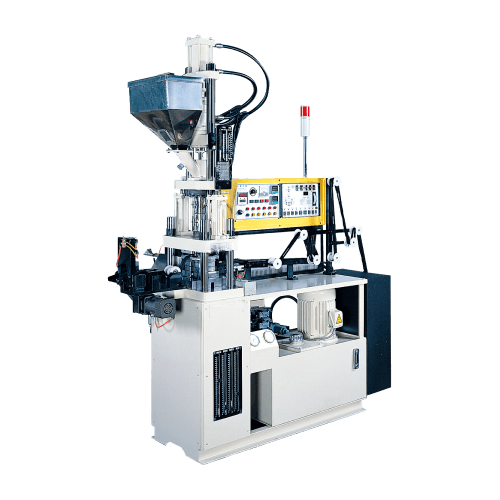
Emerging Innovations in Footwear Machinery
Footwear equipment engineering has developed three main components through recent advancements which include automated systems and sustainable solutions and personalized design options for footwear machines. The implementation of automated systems combined with robotic assembly lines results in production processes which achieve enhanced operational efficiency and improved item precision. The industry advances towards sustainability through eco-friendly technologies that include machines which process recycled materials. The manufacturing industry has adopted 3D printing technology as its primary method because it allows manufacturers to produce custom products through unique design creation which requires less material and enables faster prototype development. The combination of these technological improvements increases production capacity for businesses which need to fulfill existing customer demands.
Automated systems with enhanced operational efficiency and improved production item precision.
Machines designed to process recycled materials for sustainable footwear production.
Custom product creation with less material waste and rapid prototype development cycles.
Advancements in Technology: AI and Smart Manufacturing
The combination of Artificial Intelligence (AI) and smart manufacturing technologies has transformed shoe manufacturing methods because these technologies produce exceptional efficiency and accuracy and personalized solutions. AI systems use their capability to process extensive data sets for three main purposes which include production flow optimization and maintenance requirement forecasting and material waste minimization. Machine learning algorithms allow manufacturers to predict how customers will choose products which enables them to modify their design and stock management methods according to genuine market demand.
Smart manufacturing enhances these capabilities by utilizing advanced IoT (Internet of Things) devices and sensors within production lines. The systems continuously monitor performance to achieve optimal operational efficiency while they detect production defects during the initial production stage. The shoe manufacturing process now operates with reduced human labor through robotic automation which produces consistent output that leads to higher product quality and lower production costs.
The combination of these innovations together with search engine data insights, which include Google’s consumer behavior trends, gives manufacturers a significant competitive advantage. The company can establish perfect production schedules which match global consumer search patterns for specific styles and materials and product characteristics. The footwear industry undergoes transformation through AI and smart manufacturing which creates efficient production methods that maintain creative design processes and sustainable business operations and accurate production methods.
Impact on Sustainability in Shoe Production
Shoe making machinery plays a critical role in enhancing sustainability within the footwear industry, particularly when combined with insights. The manufacturers achieve waste reduction through accurate production processes because they utilize customer trend data and customer preference data to develop products that meet market demands. The program enables machines to use sustainable materials when users search for environmentally friendly options which results in efficient resource use throughout the manufacturing process. The automated systems reduce material waste while they increase energy efficiency which results in a smaller environmental impact. The combination of advanced machinery and current consumer information enables manufacturers to operate more sustainably while maintaining their fashion and creative capabilities.
Choosing the Right Shoe Making Machine
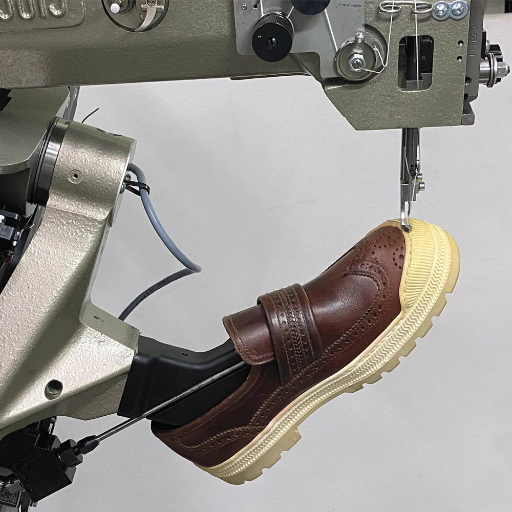
Assessing Business Size and Production Goals
When choosing equipment for shoemaking, you need to assess both your business scale and your manufacturing targets. Manual or semi-automatic machines provide better cost efficiency and operational flexibility for small businesses and startups which need to produce at reduced levels. The machines operate multiple design models while their maintenance process remains simple. The production needs of medium to large businesses which require significant output will benefit more from their complete automated systems. The machines provide quicker production speeds which maintain high quality standards because they operate specific functions of cutting and stitching and molding.
The shoe types which you want to manufacture must be defined first before you select your equipment which must meet those production requirements. Machines which offer modular components enable organizations to grow their operations with new needs which emerge over time while specialized equipment achieves maximum output for one specific type of shoe. The production capacity must be matched with upcoming growth plans to identify the most beneficial investment opportunities.
| Business Scale | Recommended Machine Type | Key Advantage |
|---|---|---|
| Small / Startup | Manual or semi-automatic | Cost efficiency and operational flexibility |
| Medium Business | Semi to fully automated systems | Balanced output with manageable maintenance |
| Large Enterprise | Full automated with robotic integration | Maximum throughput and consistent quality |
Understanding Material Requirements and Applications
The process of choosing shoe making machines requires you to start by identifying the materials which you will use in your work. The processing requirements of different footwear materials depend on their specific characteristics, which include leather and synthetic fabrics and rubber. The leather material needs cutting machines that operate with high-precision blades while synthetic fabrics require specialized equipment for stitching and bonding. The production of rubber soles requires molding machines which can withstand both high temperatures and high pressure.
The selected machine should handle material specifications by meeting both material durability and flexibility requirements. The production system requires machines which provide adjustable settings and interchangeable components because these features enable processing of different material types while maintaining operational flexibility. The manufacturing process needs equipment which delivers consistent performance to achieve quality results and dependable operation that meets production requirements.
Guidelines for Selecting Machinery for Footwear Production
- 1
Material Compatibility
The machinery must function properly with all materials which include leather and synthetic fabrics and rubber. The equipment should handle these materials without compromising quality. - 2
Production Capacity
You need to choose equipment which matches your required output capacity. A capacity assessment that is overestimated or underestimated will result in operational delays and additional expenses. - 3
Energy Efficiency
The organization should choose machines which have energy-saving capabilities because these features decrease both operational expenses and environmental damage. - 4
Ease of Operation and Maintenance
The use of machines which people find easy to use and maintain enables organizations to decrease their operational downtime. - 5
Durability and Longevity
Companies should buy equipment which offers high durability because it provides dependable service throughout its entire lifespan. - 6
Safety Features
Organizations should choose machines which have sufficient safety features because these systems protect workers while enhancing overall workplace security.
The guidelines provide a pathway for selecting appropriate machinery which will enhance production operations while maintaining consistent output of high-quality work.
Frequently Asked Questions
Q.01
How does a lasting machine work in the shoe making process for leather uppers?
The lasting machine functions by securing a leather upper to a last while connecting it to the insole or midsole, which establishes the final shoe shape. In a shoe factory the operator places the upper over a last, the lasting machine pulls and stretches the leather, and staples or stitches the material to the insole. The shoemaking process uses lasts and lasting machines and sewing machines which operate with hydraulic or pneumatic systems that maintain constant tension.
Q.02
What role does the last play when you make shoes and choose an outsole?
The last shape of a shoe determines its final design for fitting purposes and establishes toe and heel dimensions while determining which size options will be available. Designers and shoemakers select specific lasts to ensure the outsole aligns correctly during die cutting and assembly. The industrial shoe factories employ standardized lasts to achieve compatible die-cut outsoles and insoles that extend across their entire product range, which results in decreased product rejections and enhanced efficiency for their automated shoe production process.
Q.03
Which die cutting methods are best for producing outsoles and midsoles in an industrial factory?
Die cutting can be performed with mechanical, hydraulic or pneumatic presses depending on volume and material. The combination of hydraulic presses and long arm die cutters enables businesses to achieve high production rates while delivering precise cutting results for rubber or EVA outsoles. Automatic die cutting systems that connect with production and packaging operations boost operational efficiency while multiple brands use CNC and die tooling systems to achieve uniform toe and heel designs throughout their sneaker and boot collections.
Q.04
How do strobel machines and sewing machines fit into assembling the upper and fully lasting process?
Strobel machines stitch the upper to a fabric insole to create a flexible sock-like unit which is then lasted and attached to the outsole. Long arm sewing machines and industrial sewing machine attachments are used for heavier uppers like boots. The strobel process is common for sneakers while full lasting lasting machine is typical for dress shoes and leather products.
Q.05
What specific steps should technicians execute to maintain and protect pneumatic and hydraulic equipment used for shoe production?
Technicians need to conduct regular inspections which involve checking hoses and seals and valves on pneumatic and hydraulic presses. The team needs to follow lubrication schedules for all mechanical parts while they evaluate the electrical and control systems. The combination of safety guards and emergency stop buttons and heat shielding systems which protect areas near ovens and heaters together with training programs for shoe factory personnel and shoemakers creates a safer work environment. Maintenance procedures create stable product quality while extending the operational lifespan of equipment.
Reference Sources
-
Process Improvement and Utilization of Machines in the Production Area of a Shoe Manufacturing Company
Link to source
Focuses on increasing productivity in shoe manufacturing by optimizing machine utilization and improving production processes. -
Shoe Machinery
Link to source
Explores the evolution of machinery in shoe manufacturing, highlighting the transition from hand processes to machine-made shoes. -
Performance Modeling and Availability Analysis of Shoe Upper Manufacturing Unit
Link to source
Analyzes the performance and efficiency of machines used in the shoe upper manufacturing process, including specific machinery like toe puff press machines. - Food Machine and Extruders Provider in China