Papermaking is a craft that can be traced back thousands of years and has gone through constant transformations due to the changes in the world. The story of the paper industry is nothing short of amazing in terms of innovation and adaptability, as it took a great deal of time and effort to move from the manual process based on natural fibers to the most sophisticated fully automated systems available today. The blog post will help you discover an enthralling tale of papermaking from its technological side and at the same time, it will point out the significant milestones that have been the driving forces behind the industry and even the current advancements that are still playing a role in the shaping of its future. If you are a history enthusiast keen to learn about the genesis of paper or a tech-savvy person interested to know how technology will contribute to its sustainability, then this article is indeed a wonderful resource to get the comprehensive picture of the past, present, and possible future of this essential material.
Introduction to Paper Manufacturing
The Significance of Papermaking for the World Today
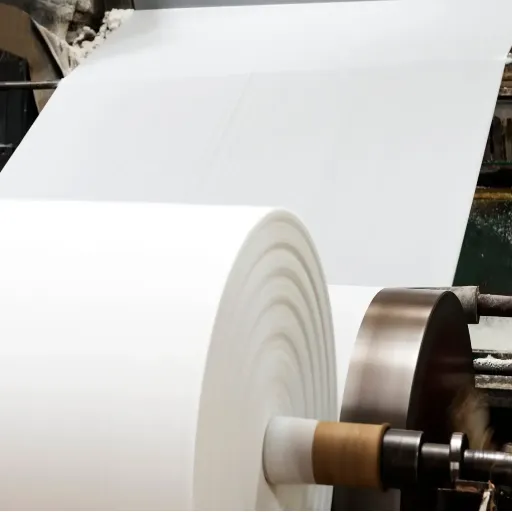
Papermaking is still an important industry for modern humans, where its traditional uses are complemented by its applying in new ways. The demand for paper and similar products has been continuously high around the world according to the latest statistics, with every year billions of tons of paper consumed by the sectors of education, packaging, and communication among others. Paper-based packaging, for example, has become the preferred option and replaced plastics as the more responsible choice meeting the consumer’s demand for green materials. Furthermore, the development of recycling technologies has led to the paper product reuse efficiency increase which in turn has a lesser impact on the environment. The above-mentioned trends emphasize that papermaking is not only adapting to the current demands but also taking part in waste reduction and sustainability issues, being a vital actor in these matters.
Paper Industry Overview
The paper industry has been impacted by major changes that sustainability trends and technological advancements have brought along. Recently, Google’s search engine has shown that there is a growing demand for paper products that consider the environment. The increase in the popularity of words like “recyclable paper” and “sustainable packaging” reveals that consumers are looking for eco-friendly solutions. Besides, these days the global paper market is expected to rise continuously which will main future hygiene products, packaging, and specialty paper applications. So to speak, measures such as producing with less energy and using more plant-based materials are the main reasons for labeling the industry as an important force in the promotion of a circular economy. Besides, these advancements indicate the sector’s new transformation aimed at meeting not only economic but also ecological issues.
Pulp and Paper Main Words and Concepts
1. Pulping
Pulping is the main stage of the process where raw material like wood or recycled paper is being converted into a product consisting of cellulose fibers. Basically, these fibers are the starting point for paper products. There are several methods to obtain the pulp, and these include mechanical pulping, chemical pulping, and semi-chemical pulping, each having its own advantages and suited for specific applications and end-product quality.
2. Paper Grades
Paper is classified in various grades depending on the purpose, including packing papers, tissue, printing, and writing and specialty papers. Each grade has special features like strength, absorbency, or printing to perfectly match the industrial and consumer requirements.
3. Sustainability
The industry has altered its approach increasingly towards practicing sustainability, such as sourcing raw materials from certified forests, reducing water and energy consumption, and recycling as a priority. These practices reduce the paper production’s impact on the environment and fit circular economy objectives.
4. Circular Economy
A circular economy in pulp and paper is aimed at recycling and reusing up to the point of zero waste, while the quality of resources and products is maintained or even enhanced. One such practice is the generation of energy from the lignin and black liquor by-products or directing them to other industrial usages.
5. Carbon Neutrality
The attempts by the pulp and paper industry toward carbon neutrality include moving to renewable energy, establishing emission offset programs, and making the supply chain more efficient. These objectives are in line with reducing greenhouse gas emissions the global climate targets.
Trends and Data
Recent data from Google searches shows a rapid increase in interest for the sustainable paper options, such as nothing but biodegradable packaging and imitation of plant origin. Furthermore, it is a worldwide trend that the requirement for toilet tissue is rising mainly due to the innovations of hygiene products. Additionally, from the new searches, we can see that there is an increasing awareness about tree certifications such as FSC (Forest Stewardship Council) and PEFC (Program for the Endorsement of Forest Certification), thus indicating greater consumers’ attention on sustainable procurement. All of the above-mentioned point will help the paper sector grow in the environment of responsibility and creativity.
Historical Overview of Papermaking Processes

Early Innovations in Paper Manufacturing
The timeline of papermaking goes back to the ancient Chinese civilization where Cai Lun, an emperor’s officer during the Han period, was one of the first to make real paper around 105 A. D. This original paper was the lightweight and strong material that writing demanded since it was the mixture of mulberry bark, hemp, fishnets, and rags. Throughout the years, various methods of making paper emerged and gradually improved. The initial stages of the European medieval era were marked by the power of mills being used as the main source of force for the production, and later in the 19th century, the introduction of wood pulp as the main raw material made it possible to output ina much larger order and to make paper much cheaper.
Google’s latest search trends suggest that the paper industry is becoming more and more interested in sustainable practices, with increasing searches for “eco-friendly paper” and “sustainable papermaking.” The continuing curiosity is not restricted to the traditional methods; it also covers the new methods that meet the modern environment standards. Trends like these signify a society that is not only very concerned about the environment but also wants historical knowledge and innovative approaches to be combined to produce responsibly sourced paper products.
Traditional Techniques and Their Impact
Apart from the artistic skill, the traditional paper-making methods like the hand pulp preparation, the sheet formation, and the drying process have mainly relied on human effort and have not shown much reliance on technology. The output is completely different from that of machines: the human made paper has distinct properties of texture, strength, and appearance that are impossible to imitate. Still, the paper is gaining its place as a sustainable choice. Google Trends data shows that more and more people are searching for “eco-friendly paper” and “sustainable papermaking” which validates the existence of interest in the combination of traditional and environmentally friendly practices.
The ancient techniques are giving way to modern and eco-friendly innovations, hence the paper industry is giant in the reduction of waste and energy consumption and at the same time making a connection with traditional craftsmanship. On the other hand, handmade paper became the choice for consumers who care about the environment and culture since the producer can draw from the source of these fibers being in the local area, that is, using recycled, renewable, or locally sourced materials.
The Transition to Industrial Papermaking
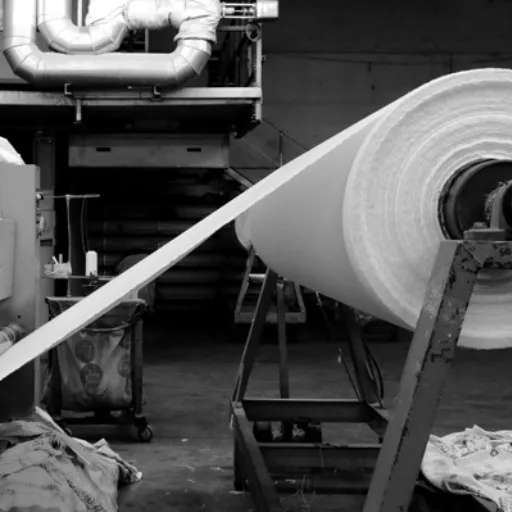
The transition to industrial papermaking was a major turning point in the history of mankind, as it not only transformed the paper-making process but also provided the much-needed paper to the education, communication and commerce sectors, which were rapidly growing with the industrial world. The invention of machines like the Fourdrinier machine in the early nineteenth century was the main force of this change. The machine could manufacture continuous rolls of paper at an unbelievable speed and size. Industrial paper-making had now turned into a process with machines and as a result, the cost of paper was brought down considerably and it became available for various domains like education, communication and trade.
The main question that people ask the most according to Google’s latest search data is, “How has industrial paper-making impacted modern life?” The impact has been immense—mass printing, in a way, was the main thing production of industrial paper went hand in hand with, and one consequence of this was the widespread literacy and the knowledge transfer on a worldwide level, among others. One consequence of this was widespread literacy and the global dissemination of knowledge. The other side of the coin was the negative aspects, like deforestation and pollution, due to the increasing demand for raw materials and energy-intensive production. The industry has thus had a relatively long history of challenging environmental impact and continues to evolve by introducing recycled materials and renewable energy sources in order to maintain and even enhance the productivity and accessibility initiated by its industrial roots.
Modern Papermaking Technologies

Overview of Current Manufacturing Processes
The papermaking industry has made considerable progress since the adaptation of modern manufacturing procedures that prioritize sustainability along with efficiency. The raw materials workup is the initial step that always has recycled paper and alternative fibers, like agricultural residues or bamboo, as mainstays. The company’s reliance on virgin wood pulp is thereby curtailed. Mechanical pulping, chemical pulping or a mixture of both are the pulp-making methods depending upon the quality of paper that is required. For instance, chemical pulping employs techniques such as Kraft or sulfite processes to decompose lignin while at the same time keeping the fibers intact.
After the pulp is made, it is either bleached or whitened using methods that are less harmful to the environment like oxygen, ozone, or hydrogen peroxide. The last processes include making the paper sheet on a wire mesh, compressing, drying, and finishing such as coating or calendaring. Each of these is carried out by the latest machines and monitored by digital systems. Many advanced plants take advantage of the Industry 4.0 technologies, like the Internet of Things (IoT) sensors and machine learning algorithms to not only optimize production but also to minimize the consumption of resources.
The use of renewable energy sources such as solar and wind power in most paper mills is a major development in the recent past,- it has a significant impact on the carbon footprints of these plants. Additionally, modern plants have become water recycling systems which have taken care of the high water requirement that was a characteristic feature of the papermaking process. The paper industry’s technological transformation in the direction of environmentally friendly processes is not just a pledge to sustainable practices but also a way of providing quality products.
Innovative Pulp Treatments and Their Benefits
The advent of pulp treatment technologies has drastically transformed the environmental footprint and efficiency of the papermaking process. Enzymatic treatment is one of the most remarkable innovations involving the use of enzymes in the treatment of wood pulp to decompose lignin and reinforce the fibers, resulting in lesser chemicals and higher-quality paper. Another method is the use of non-chlorine bleaching agents like oxygen and ozone which leads to a dramatic decrease in the volume of wastewater caused by the bleaching process. The pulp processing through these treatments alone is taken as recycling for the whole industry, and hence make the taintless of production cycle through the usage of forest resources. To sum up, these innovations in the technique of pulp and paper have provided more economic paper production and better environmental care and ability to satisfy consumers and standards of regulation.
Advanced Machinery in the Paper Manufacturing Process
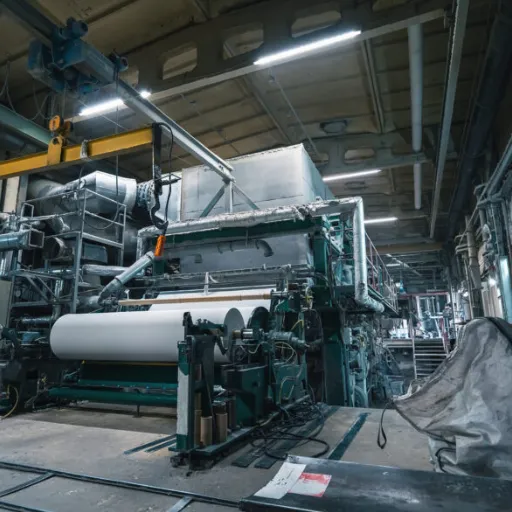
The paper manufacturing process has been modernized with the use of advanced machinery which not only increased the efficiency but also made the process more sustainable. The new technology includes equipment like automated paper pulp refiners, high-speed paper machines, and advanced drying technology that guarantee greater precision and production speed. For instance, the current Fourdrinier machines are built in such a way that they not only help in placing the fiber optimally but also in drying the paper, thus, increasing the strength and consistency of the paper sheets. More factories are incorporating the use of robots and AI-led technologies for quality monitoring and waste reduction which in turn result in a dramatic decrease in environmental impact. These changes are in line with the demands of the paper industry, which is the need to meet both productivity targets and strict environmental regulations, and is backed by data-driven insights for continually upgrading the process.
Sustainability in the Pulp and Paper Industry
Environmental Challenges Faced by the Industry
The pulp and paper industry has to make continuous innovation and adaptation in order to meet the environmental challenges that are of great significance. Among the main environmental problems associated with the industry are deforestation, water pollution, and high energy consumption, which additionally lead to the decline of biodiversity and global warming. Besides the negative impacts on the ecosystem, tree cutting for raw materials hits the carbon storage process. Moreover, the production process results in the release of wastes containing harmful ingredients that animal life in water and even freshwater sources are at risk from. The industry’s need for massive amounts of electricity which is mainly derived from fossil fuels, intensifies its carbon footprint. However, the industry is very slowly but steadily solving these problems by applying high-tech methods and eco-friendly practices such as installing closed-loop water systems and switching to renewable energy, thus, showing its commitment to a greener future.
Efforts Towards Sustainable Papermaking Technologies
Sustainable papermaking technologies have progressively cut down the environmental impact of the paper-making industry dramatically, through innovations in various fields. One of the hot topics in this discussion is the use of non-wooden sources as inputs in case of raw materials along with the use of other alternative raw materials like agricultural waste, bamboo, and recycled fibers, which go a long way in protecting the environment. Different energy-saving methods of paper production, such as adopting energy-efficient machinery and enzymatic pulping, are also making great strides in the industry that is characterized by high energy consumption.
Water conservation is still a top priority, and it is mainly through the implementation of closed-loop systems that are able to recycle and purify wastewater during production that companies are drastically reducing freshwater consumption. Moreover, the use of renewable energy sources like wind, solar, and biomass is progressively reducing the reliance on fossil fuels for power generation and hence, the cutting down of carbon emissions. Recent statistics show that these innovations not only contribute towards a decrease in environmental footprint but also result in cost savings and greater efficiency for the companies that choose to go green.
The global trend is that the acceptance of circular economy principles is reinforcing the drive to make the best use of resources while minimizing waste. The paper sector has been able to become an environmentally friendly and sustainable one, due to the collaborations and regulations that have came alongside the technological advancements.
Future Directions in Eco-Friendly Paper Manufacturing
To the extent that the future of eco-friendly paper manufacturing is concerned, one of the main arguments is the incorporation of cutting-edge biotechnologies that will lead to the making of new raw materials, thus lessening the dependence on the traditional wood input. For instance, the search for alternative fibers coming from, e.g., agricultural waste like wheat straw and sugarcane bagasse has been received positively as a sustainable option. Moreover, the use of artificial intelligence and machine learning tools can assist in making the production processes more efficient concerning energy and waste. It is also worth mentioning that the development of waterless papermaking technologies is another area of research which intends to lower the freshwater consumption drastically in comparison with the traditional methods.
To the consumers’ side, Google’s latest search data has shown that although recyclable and biodegradable papers are being demanded more, the trend is that paper products made from these types of materials are expecting to get more people interested. This change in consumer attitude is shifting the focus of producers towards bringing forth more eco-friendly products and at the same time enhancing recycling systems for recovery of materials. It is anticipated that government based policies and certifications like FSC and PEFC will become stronger over time thus pushing more money into the green paper technology. When taken together, these changes in technology are transforming the paper industry into a more resilient and greener industry.
Challenges and Opportunities in the Paper Industry
Current Difficulties in Paper Manufacturing
The paper manufacturing sector is encumbered with a number of very serious problems that have repercussions not only for its future sustainability, efficiency and growth but also for its present state. A very important problem is the extremely high amount of energy that is consumed through the whole production process and that, in every case, requires big amounts of electricity and heat, especially in the areas of pulping and drying. Water consumption is still an issue for the industry since the traditional way of making paper still requires a lot of water, which raises not only the question of resource management but also the environmental impact of such practices. Plus, there is the very difficult situation regarding raw materials, which include wood pulp, whose prices are constantly increasing and the availability is becoming even worse because of over-logging as well as competing demands for resources.
Not to mention the fact that the industry is also struggling with waste management problems, to a large extent. Recycling technology has improved but still not every paper product is recyclable because of the physical and chemical treatment applied or because it simply is not clean enough. This situation causes the environment to be under pressure. The customers’ vanishing interest in paper and the shift of the industry to digital have made it a little more complicated but at the same time, turned it into a challenge to innovate and feature diversification.
These difficulties highlight the need for constant technological breakthroughs in the areas of production, recycling and resource management practices that are both environmentally friendly and industry productive to make the industry viable in the long run.
Adjusting to Market Changes and Customer Needs
The manufacture of paper is influenced by the shift in consumer behavior and the growing awareness of the environmental impact of paper. The latest Google trends have revealed a significant rise in the searches for ” sustainable packaging,” “eco-friendly paper options,” and “biodegradable products.” The consumers are making an impact by signalling their demand for the less dirty environment products. Therefore, companies are compelled to go the green way and after that provide new products, such as recyclable paper, tree-free materials, or compostable packaging, that would naturally attract this public.
In parallel, enterprises must stay connected to the digital literacy trends at all times. The gradual decline of the conventional paper use owing to the availability of digital substitutes such as e-books and online documentation creates an urgent need for diversification. Insights derived from data pave the way for improved operational agility and consumer values alignment that empowers companies to secure a major role in this vibrant market scenario.
The Function of Innovation in the Victory over Industry Challenges
The power of innovation can never be overstated as it is the main force that guides industries through the maze of challenges posed by the constantly changing environment. By applying the latest technologies and drawing feedback from the likes of Google’s search engine, businesses not only get a better understanding of the consumer behavior and the market trends but they can also take correct and timely actions. For example, if the search data show that customer’s needs have changed, one of the priorities becoming more important is the demand for eco-friendly products or customers insisting on digital convenience, then the company can make the corresponding modifications in its offerings.
The companies not only do it but they combine the data with the new methods and approaches that are very effective; they adopt artificial intelligence for predictive analytics, or they allow the introduction of sustainability-related practices into product design which gives them the opportunity to rebel against the obstacles imposed by others. They not only foresee such challenges but also make the best out of them by adopting the respective and rather difficult approaches. These big and bold strategies are not only making companies resilient but also increasing their customer loyalty, which means that there will be a steady growth even during very uncertain times in the market. The collaboration of data-based insight and innovative solutions reveals that the ability to change and adapt is of utmost importance in an industry environment that is highly competitive and subject to rapid changes.
Future Trends in Paper Manufacturing

Emerging Technologies in Pulp and Paper
The pulp and paper industry is in the midst of a radical transformation thanks to new technologies that are not only quite efficient and sustainable but also very high in the quality of the products. Artificial Intelligence (AI) and Machine Learning (ML) have been the main technological breakthroughs in this line. They are able to provide interactivity in the real-time, schedule maintenance in advance, and control the entire line of production thus the consumption of energy and operational costs are drastically lessened during the process of production. Besides, bio-refining technologies are the greatest contributors to a circular economy as they allow the pulp to be converted into very good quality biochemicals and biofuels from the pulp so that the industry can be environmentally friendly.
The introduction of sophisticated water treatment and recycling systems is another major development. Such systems are not reducing water consumption in the production process but also contributing to environmental sustainability by reducing the water used in industries, which is a global goal. Moreover, the application of innovations like nanocellulose materials is spreading rapidly owing to their lightweight and durable characteristics thus making them good for several industries including packaging and construction.
On the one hand, using these new technologies, the pulp and paper industry is not just preparing for a fast-changing market but also securing a vital position in the global sustainability movement.
Predictions for the Future of Papermaking
Big strides will largely influence the writing of the future in the areas of tech and eco-friendly methods. The latest statistics reflecting an ever-increasing focus on green production, the sector is likely to continue reinventing its methods to be more aligned with the principles of the circular economy. At the same time, the introduction of enzyme-based processing and AI-driven resource-saving measures are to be done to quench the consumption of resources while getting the same production output.
Not to mention, the worldwide growing concern over the environment is sure to lead to an increase in the demand for recycled and biodegradable paper products. Search trends indicate that consumers are looking for sustainable substitutes for plastic packaging; thus, the pulp and paper sector is tagged along to be a major contributor to this sustainability goal. Joint ventures among the producers, the government, and the academic researchers will be crucial in the sector’s transition to more environmentally friendly and market-based practices.
The Importance of Continued Research and Development
Research and development in the pulp and paper industry should not be neglected and thus, it is a necessity that it goes on. Google searches show a spike in the interest concerning sustainable packaging solutions, and thus, it can be said that the consumers have started valuing the planet more and the earth-friendly practices less. This change in consumer behavior forces the industry to keep developing raw materials that are not only recyclable but also residues from agriculture or advanced recycled fibers, to be produced in the least carbon-intensive way possible. The industry has to choose sustainability, scalability, and cost-effectiveness as the main questions to be answered through research and development and hence, this way it will stay both competitive and relevant in the fast-changing market.
Frequently Asked Questions (FAQ)
What is the paper-making process?
The paper-making process consists of numerous steps, to a great extent, that first of all turn wood chips into finished paper. Wood chips, for example, are first processed and then cellulose fibers are the only thing that is extracted, and these fibers are then mixed with water to form pulp. Next, the pulp is prepared and shaped into a paper web that includes the Fourdrinier and twin-wire methods as part of the papermaking technology. Next, after making, various drying processes are used to get out the moisture of the paper. Moreover, after the paper is finished, it can be coated or treated, or both, to make its properties better, and thus the paper produced is of good quality and can be used in a variety of ways.
What kind of paper products are made in papermaking?
The papermaking industry produces diverse types of paper products depending mainly on their different uses. Among them the most common ones are uncoated and coated papers for printing and writing, coated paper for banding and specialty paper products. In most cases, the type of paper produced is determined by its application, for instance, high-grade paper for publication and quick paper for packing. All of these types differ in their characteristics, which affect their performance, for example, the thickness, texture, and brightness of paper. It is very crucial to understand these distinctions so as to select the proper paper grade for specific applications.
What are the modern papermaking technologies doing to improve the quality of paper?
Modern papermaking technologies are the main reason behind the high-quality paper products with amazing characteristics. The very first step in the supply chain is the processing of cellulose fibers to produce pulp which is done more efficiently due to the advances in the manufacturing technology thereby the strength and durability of the final paper product are also improved. In addition to this, the techniques such as using renewable energy sources and implementing a highly automated process not only contribute to better quality but also to sustainability in the paper manufacturing process. Moreover, the drying methods and coating techniques innovations can improve the surface of the paper, thus leading to better printability and overall performance.
What are the properties of the paper that need to be considered for its use?
The properties of the paper are the major determinants of its industrial usage. Factors such as thickness, texture, and the quality of the paper play a great role in its suitability for a given application. For example, printing and writing paper can be made from certain types of paper only that allow good ink absorption and clarity. Besides, the type of paper produced, be it specialty paper products or common grades, affects its functionality. Being cognizant of these properties helps manufacturers to select the right paper type for their needs so the effectiveness of the end product is increased.
Reference Sources
Leading paper making machine Manufacturers in China
| Organization | Website | Description |
|---|---|---|
| American Forest & Paper Association (AF&PA) | https://www.afandpa.org/ | AF&PA is a leading organization representing the U.S. paper and wood products industry. Their resources include detailed reports on paper production, capacity trends, and sustainability practices. |
| Pulp and Paper Technical Association of Canada (PAPTAC) | https://www.paptac.ca/ | PAPTAC provides technical resources, research papers, and industry updates for professionals in the pulp and paper sector. |
| TAPPI (Technical Association of the Pulp and Paper Industry) | https://www.tappi.org/ | TAPPI is a globally recognized organization offering technical information, research, and training for the pulp, paper, and packaging industries. |